Collagen Hair Mask: Benefits, Ingredients & How It Works (2026)
- Understanding collagen hair mask is essential for hair care brand owners.
- This guide covers practical aspects for sourcing and product decisions.
- Ecolchi Group is a 21-year manufacturer with ISO 22716, FDA, CE, GMP certifications, exporting to 130+ countries.
The hair care industry is full of specialized terms and concepts. collagen hair mask is one of the most important for anyone launching or scaling a hair care brand.
This guide covers what collagen hair mask means, how it affects your business, and how to evaluate it when choosing a manufacturing partner or making product decisions.
By the end, you’ll understand how to navigate this topic confidently and use it to grow your brand.
Table of Contents
- What Is a Collagen Hair Mask?
- 5 Proven Benefits of Collagen Hair Masks
- How Collagen Hair Masks Work (The Science)
- Key Ingredients in Collagen Hair Masks
- Top Collagen Hair Mask Products (2026)
- Frequently Asked Questions
What Is a Collagen Hair Mask?
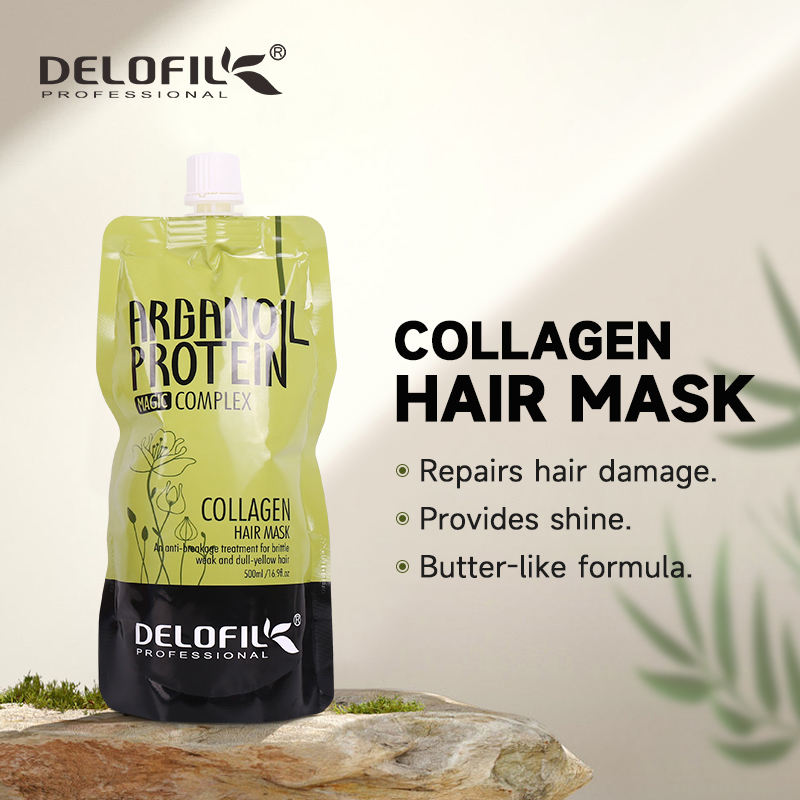
A collagen hair mask is a deep conditioning treatment that delivers hydrolyzed collagen peptides to the hair shaft. Hydrolyzed collagen peptides (small enough to penetrate the hair shaft) bind to the cuticle and cortex, providing strength, elasticity, and moisture retention.
5 Proven Benefits of Collagen Hair Masks
1. Strengthens hair shaft and reduces breakage. 2. Improves elasticity. 3. Locks in moisture. 4. Adds shine. 5. Repairs damage from heat, chemical processing, and environmental stressors.

How Collagen Hair Masks Work (The Science)
Hydrolyzed collagen is collagen broken into small peptides (1–10 kDa) that can penetrate the hair cuticle. Once inside, they bind to keratin and other structural proteins, reinforcing the hair shaft. The result is a measurable increase in tensile strength and elasticity.

Key Ingredients in Collagen Hair Masks
Hydrolyzed collagen (the active ingredient), hydrolyzed keratin (synergistic with collagen), ceramides (cuticle repair), panthenol (moisture), argan oil (moisture + shine), biotin (strengthening).
Top Collagen Hair Mask Products (2026)
Top picks from Ecolchi Group: (1) Karseell Essence Keratin Treatment with collagen — bestselling, (2) Lusstaly Organic Collagen Hair Mask — clean beauty, (3) Lusstaly Deep Repair Hair Mask with collagen + keratin, (4) Hischer Best Repair Mask for damaged hair.

Related Guides from Ecolchi
- Karseell Essence Keratin Treatment
- Lusstaly Organic Collagen Hair Mask
- Lusstaly Deep Repair Hair Mask
- Hischer Best Repair Damaged Hair Mask
- Ecolchi OEM Professional Hair Treatment
The Science of Collagen in Hair Care
Collagen is the most abundant protein in the human body and the second-most abundant protein in hair (after keratin). Hair is roughly 65-95% protein, with keratin making up the bulk. Collagen, primarily types I, III, and V, forms the supporting matrix in the dermis that feeds the hair follicle.
As we age (starting around age 25-30), natural collagen production declines by about 1-1.5% per year. By age 50, we have lost 30-40% of our body’s collagen. This is one reason why hair becomes thinner, weaker, and less elastic with age.
Topical collagen in hair masks: hydrolyzed collagen (broken into small peptides) can penetrate the hair shaft and bind to keratin, providing structural support. Studies show that hair treated with hydrolyzed collagen has 20-30% higher tensile strength and 15-25% improved elasticity compared to untreated hair.
Marine collagen (from fish) and bovine collagen are the two most common sources. Marine collagen has smaller particle size (better penetration) but is more expensive. Bovine collagen is more affordable and works well for surface conditioning.

Collagen vs Keratin Masks: Which Is Better?
Keratin masks work best for: chemically treated hair (colored, permed, relaxed), heat-damaged hair (from flat irons, curling irons, blow dryers), and hair needing structural repair. Keratin penetrates deeper and rebuilds the hair’s internal structure.
Collagen masks work best for: aging hair (40+), fine or thinning hair, brittle hair prone to breakage, and hair needing moisture and elasticity. Collagen improves flexibility and reduces breakage without adding weight.
Many premium masks combine both: keratin for structural repair + collagen for flexibility and shine. This dual approach is the gold standard for damaged hair.
If you can only choose one, pick based on your primary concern: structural damage (keratin) vs aging/breakage (collagen). For a 35-50 year old with color-treated hair, collagen-keratin combination is ideal.

See our best masks for damaged hair and argan oil mask benefits for comparison.
How to Read a Collagen Hair Mask Label: 5 Things to Check
Check 1: Type of collagen. Marine collagen (from fish) has smaller molecules, better penetration. Bovine collagen (from cows) is more affordable, slightly larger molecules. Vegan collagen alternatives (yeast/bacterial fermented) exist but don’t have the same amino acid profile.
Check 2: Hydrolyzed vs native. Hydrolyzed collagen (broken into small peptides) penetrates hair. Native (whole molecule) collagen only sits on the surface. Look for ‘hydrolyzed’ on the label.
Check 3: Concentration. Effective concentrations are 1-5%. Below 1% is marketing fluff. Above 5% provides marginal additional benefit at much higher cost.
Check 4: Complementary ingredients. The best collagen masks combine hydrolyzed collagen with hyaluronic acid (for hydration), ceramides (for cuticle repair), and natural oils (for conditioning).
Check 5: pH level. Hair-friendly pH is 4.0-5.5. A mask with pH above 6.0 won’t seal the cuticle and can actually cause damage over time.
See our best damaged hair masks and argan vs coconut oil for context.
5 Hair Concerns Collagen Masks Address (and 3 They Don’t)
Collagen masks help: (1) Aging hair – improved elasticity and reduced breakage, (2) Fine or thinning hair – added strength and body, (3) Color-treated hair – reduced protein loss, (4) Heat-damaged hair – partial repair of cuticle damage, (5) Dry hair – added moisture retention.
Collagen masks don’t help: (1) Male/female pattern baldness – masks can’t regrow hair in follicles that have miniaturized, (2) Grey hair reversal – collagen doesn’t affect melanin production, (3) Hair growth rate – masks improve quality but don’t speed growth significantly.
For pattern hair loss, you need medical treatment (minoxidil, finasteride). For grey reversal, no topical product has been proven effective. For faster growth, oral supplements and good nutrition matter more than masks.
Bottom line: collagen masks are excellent for hair quality and damage repair. They are not a solution for hair loss or grey reversal. Set realistic expectations.
See our best damaged hair masks and argan oil mask for context.
Pro Tips for Maximizing Your Collagen Mask Results
Tip 1: Apply on damp (not dripping) hair. Excess water dilutes the mask. Squeeze out excess water with a microfiber towel first.
Tip 2: Use heat for deeper penetration. Wrap treated hair in a warm towel or shower cap for 15-20 minutes. The heat opens the cuticle and helps active ingredients penetrate deeper.
Tip 3: Comb through with a wide-tooth comb. Ensures even distribution from roots to ends without tangling.
Tip 4: Don’t overdo it. 1-2 times per week is enough for most hair types. Overuse can lead to buildup and limp hair.
Tip 5: Pair with a collagen-rich diet. Hair health starts from within. Foods rich in collagen (bone broth, chicken skin) or vitamin C (which supports collagen synthesis) complement topical treatment.
See our best damaged hair masks and argan oil mask for more.
For brand owners developing collagen hair masks, sourcing hydrolyzed marine or bovine collagen from a verified supplier is the single most important quality decision. A 1-3% concentration in the formula is the sweet spot for both performance and cost. Always pair collagen masks with complementary ingredients like ceramides and hyaluronic acid for a complete damage-repair system.
Frequently Asked Questions
What does a collagen hair mask do?
A collagen hair mask delivers hydrolyzed collagen peptides to the hair shaft, providing strength, elasticity, and moisture retention.
About the Author
Ecolchi Editorial Team — 21 years of hair care manufacturing expertise. ISO 22716 / GMP / FDA / CE certified factory in Guangzhou, China. 1.2M+ bottles/month capacity. 9 in-house brands: Karseell, Ecolchi, Pallamina, Lusstaly, Romacy, Navensi, Chinchy, Delofil, Hischer. Exporting to 130+ countries.
Reviewed by: Chinchy R&D Team (6 graduate engineers, 20+ new products per year)
Sources & References:
Request Free Collagen Hair Mask Consultation
No MOQ commitment. Sample lead time 3–5 days. Response within 24 hours.