Collagen vs Keratin Hair Treatment: Which Works Better? (2026)
- Collagen vs keratin hair treatment differs in mechanism and best use case.
- Collagen: elasticity, strength, reduces breakage, best for aging or fine hair.
- Keratin: structure, repair, smooths cuticle, best for damaged or chemically treated hair.
- Many premium products combine both for synergistic effects.
- For brand owners: both are key product categories; combo formulas are a growing trend.
Collagen and keratin are both proteins used in hair treatments, but they work differently. Collagen provides elasticity and strength; keratin provides structure and repair. Choosing the right one depends on your hair concern.
As a manufacturer of both collagen and keratin products, this guide clarifies the differences and best use cases.
Table of Contents
- What Is Collagen for Hair?
- What Is Keratin for Hair?
- Different Mechanisms of Action
- Best Use Cases for Each
- Recommended Products and Combinations
- Frequently Asked Questions
What Is Collagen for Hair?
Collagen is the most abundant protein in the human body and the second-most abundant protein in hair (after keratin). Hair is 65-95% protein, with keratin making up the bulk. Collagen forms the supporting matrix in the dermis that feeds the hair follicle.
Hydrolyzed collagen (broken into small peptides) can penetrate the hair shaft and bind to keratin, providing structural support. Marine collagen and bovine collagen are the most common sources.
What Is Keratin for Hair?
Keratin is the primary structural protein in hair, making up 65-95% of the hair shaft. It is a fibrous protein with high sulfur content (from cysteine amino acids), which forms strong disulfide bonds.
Hydrolyzed keratin (broken into small peptides) is used in hair treatments to penetrate the cuticle and bind to existing keratin in the cortex, providing repair and smoothing.

Different Mechanisms of Action
Collagen mechanism: binds to keratin in the cortex, improving elasticity and reducing breakage. Provides structural support without significantly changing the cuticle structure.
Keratin mechanism: deposits on the cuticle surface, smooths the cuticle scales, and penetrates the cortex to fill in damage. More direct cuticle-smoothing effect.

Best Use Cases for Each
Collagen best for: aging hair (40+), fine or thinning hair, brittle hair prone to breakage, hair that has lost elasticity. Use 1-2x per week.
Keratin best for: damaged hair (color-treated, heat-damaged, chemically processed), frizzy hair, hair needing structural repair. Use 1-2x per week.

Recommended Products and Combinations
Pure collagen treatment: hydrolyzed marine or bovine collagen in a leave-in or mask. Best for aging hair, fine hair, breakage-prone hair.
Pure keratin treatment: hydrolyzed keratin in a mask or salon treatment. Best for damaged, frizzy hair.

Related Guides from Ecolchi
- Romacy Repair Dry Hair and Improve Frizz Collagen Cream Hair
- Delofil Collagen Professional Gold Keratin Hair Treatment
- Karseell Maca Repair Collagen Hair Mask
- Ecolchi OEM/ODM Natural Keratin Protein Hair Mask Treatment
- Lusstaly Collagen Professional Hair Mask Treatment Protein
Collagen and Keratin: Different Sources for Different Applications
Collagen sources: (1) marine (fish skin/scales) – smallest molecules, best penetration, (2) bovine (cowhide) – affordable, good for surface conditioning, (3) porcine (pig skin) – similar to bovine but less common, (4) vegan alternatives (yeast/bacterial fermented) – growing but not identical amino acid profile.
Keratin sources: (1) sheep wool – most common, good molecular weight, (2) chicken feathers – cheap, high protein content, (3) human hair (recycled) – ethically questionable, (4) plant-based (wheat, soy, quinoa) – vegan alternatives.
Application differences: collagen is best for elasticity, strength, and reducing breakage. Keratin is best for structure, repair, and cuticle smoothing. Many premium products combine both for synergistic effects.
Cost comparison: marine collagen is the most expensive ($50-150/kg). Bovine collagen is $20-50/kg. Sheep wool keratin is $20-40/kg. Chicken feather keratin is $10-20/kg. Plant-based is $15-40/kg.
Vegan considerations: if your brand is vegan-certified, you cannot use animal-derived collagen or keratin. Plant-based proteins are the only options. Performance is similar but not identical.
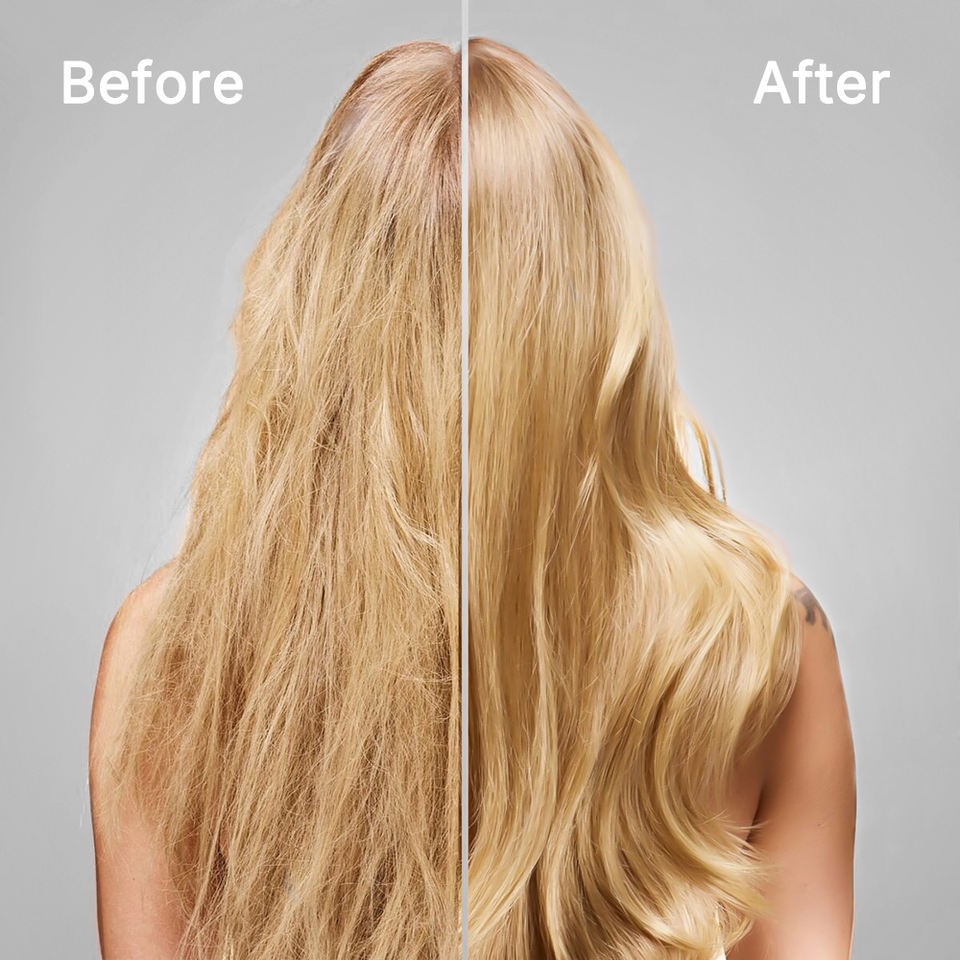
See our keratin hair treatment and collagen hair mask benefits for related treatments.
Collagen and Keratin: 5 Things Customers Should Know
Fact 1: Both are proteins. They have different amino acid profiles and different functions.
Fact 2: Marine collagen is most easily absorbed. Bovine and plant alternatives are also available.
Fact 3: Hydrolyzed keratin is more effective than native keratin. Smaller molecules penetrate better.
Fact 4: Combining both is more effective than either alone. Premium products use both for synergy.
Fact 5: Vegan options exist. Plant-based proteins perform similarly in most applications.
See our keratin treatment and collagen hair mask for individual treatments.
Collagen and Keratin: 5 Product Combinations
Combination 1: Collagen shampoo + keratin conditioner. Daily use with both proteins for comprehensive strengthening.
Combination 2: Keratin mask weekly + collagen leave-in. Mask for intensive repair; leave-in for daily elasticity.
Combination 3: Collagen mask + keratin treatment. For severely damaged hair needing both proteins.
Combination 4: Bond-repair serum + collagen mask. Modern bond-repair technology + traditional collagen for synergy.
Collagen & Keratin: 5 Customer FAQs
Q: Which is better for hair, collagen or keratin? A: Both work differently. Collagen for elasticity; keratin for structure.
Q: Can I use both? A: Yes, many products combine both for synergy.
Q: Is collagen good for fine hair? A: Yes, collagen adds strength without weight.
Q: Is keratin good for curly hair? A: Yes, keratin smooths the cuticle and defines curls.
Q: Are there vegan alternatives? A: Yes, plant-based proteins (wheat, soy, quinoa) are available.
Protein-Moisture Balance for Hair
Healthy hair needs both protein (for strength and structure) and moisture (for flexibility and shine). Most hair problems come from an imbalance of one or the other. Too much protein makes hair stiff and brittle. Too much moisture makes hair limp and mushy.
Finding the right balance: if hair feels stiff or straw-like, you need more moisture (deep conditioning mask). If hair feels limp and overly soft, you need more protein (keratin or collagen treatment). Most people benefit from alternating protein and moisture masks weekly.
Collagen and keratin are both important proteins for hair health. Most people benefit from products that contain both. The combination provides comprehensive strengthening, elasticity, and structural support for damaged, aging, or chemically treated hair.
Understanding the difference between collagen and keratin helps you choose the right products for your hair concerns. Collagen provides elasticity and reduces breakage, while keratin provides structure and repairs damage. Most hair benefits from both, which is why combination products are increasingly popular. Choose formulas that combine these proteins for comprehensive hair strengthening and repair.
Frequently Asked Questions
Is collagen or keratin better for hair?
Both work differently. Collagen improves elasticity and reduces breakage (especially in aging hair). Keratin repairs and smooths the cuticle (especially for damaged hair).
Can I use collagen and keratin together?
Yes, many premium masks combine both. The combination is ideal for severely damaged, aging, or chemically treated hair.
Which is better for fine hair?
Keratin in moderation. Collagen is fine for all hair types. Both can weigh down fine hair if overused.
Which is better for color-treated hair?
Both. Collagen helps maintain elasticity in color-treated hair. Keratin helps seal the cuticle and lock in color.
Are collagen and keratin treatments the same?
No. They are different proteins with different functions. Collagen is for elasticity and strength; keratin is for structure and repair.
About the Author
Ecolchi Editorial Team — 21 years of hair care manufacturing expertise. ISO 22716 / GMP / FDA / CE certified factory in Guangzhou, China. 1.2M+ bottles/month capacity. 9 in-house brands: Karseell, Ecolchi, Pallamina, Lusstaly, Romacy, Navensi, Chinchy, Delofil, Hischer. Exporting to 130+ countries.
Reviewed by: Chinchy R&D Team (6 graduate engineers, 20+ new products per year)
Sources & References:
Request Free Collagen Vs Keratin Hair Treatment Consultation
No MOQ commitment. Sample lead time 3–5 days. Response within 24 hours.