DIY Hair Mask vs Professional: A Manufacturer’s Comparison (2026)
- DIY hair mask vs professional masks differ in formulation precision, active ingredient concentration, and preservatives.
- DIY can work for some hair types (coconut oil for dry hair, argan oil for shine) but lacks precision and stability.
- Professional masks deliver consistent results, are pH-balanced, and have longer shelf life.
- Best approach: use professional masks for primary care, DIY as occasional supplements.
DIY hair masks have been popular on social media, with recipes ranging from coconut oil to eggs to mayonnaise. But how do they compare to professionally formulated masks? As a manufacturer, we have tested both extensively.
This guide compares the most popular DIY masks with professional formulations, looking at effectiveness, cost, convenience, and safety.
Table of Contents
- 5 Most Popular DIY Hair Masks
- What Makes Professional Masks Different
- Side-by-Side Comparison: 5 Factors
- DIY Mask Safety: 5 Risks to Know
- When to Use DIY vs Professional
- Frequently Asked Questions
5 Most Popular DIY Hair Masks
1. Coconut oil mask. Apply 1-2 tablespoons of coconut oil to dry hair. Leave on 30 minutes to overnight. Shampoo out (may need 2 shampoos). Effective for dry, damaged hair. Cost: $0.10-0.30 per use.
2. Egg mask. Mix 1-2 eggs with 1 tablespoon of olive oil. Apply to damp hair. Leave on 20 minutes. Rinse with cool water (hot water cooks the egg). The protein content is poorly absorbed but provides some strengthening.
What Makes Professional Masks Different
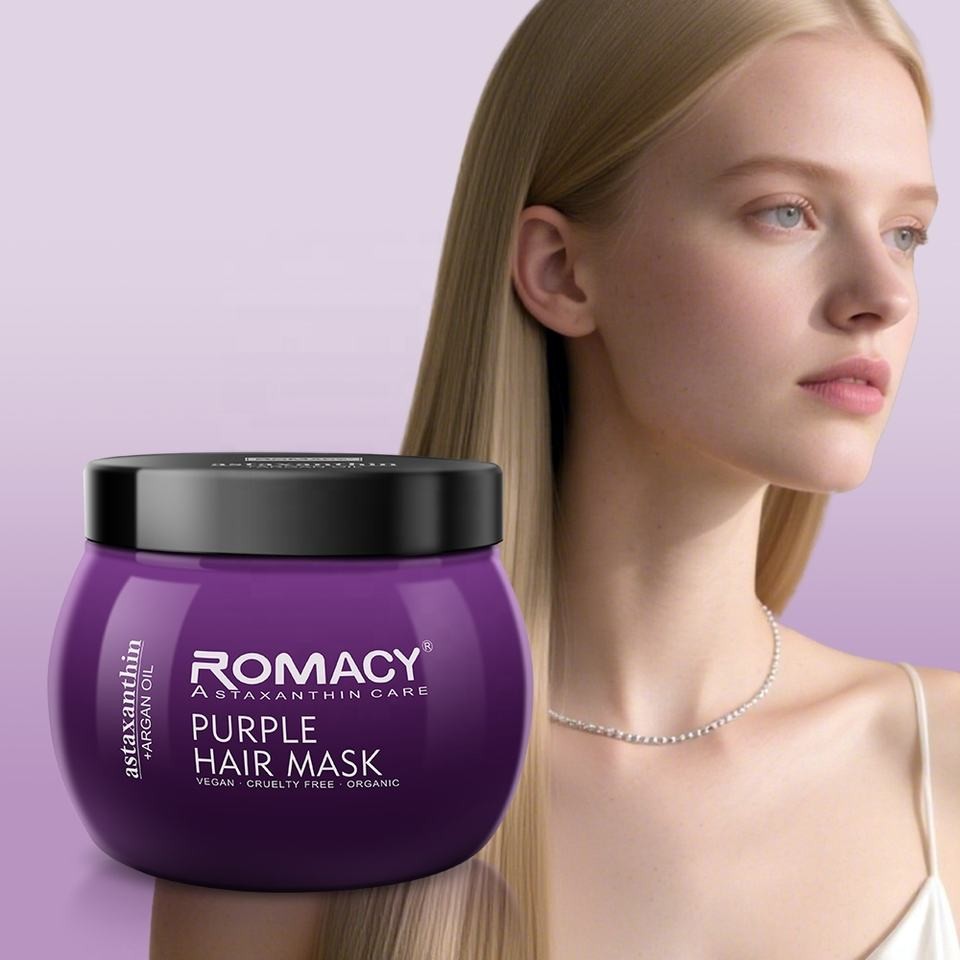
Precise active concentrations: professional masks have exact percentages of actives (e.g., 3% hydrolyzed keratin, 5% shea butter). DIY masks have variable concentrations depending on the ingredients used.
pH-balanced: professional masks are pH-balanced (4.0-5.5) to match hair. DIY ingredients like eggs (pH 7) and yogurt (pH 4-5) vary in pH and can disrupt the cuticle.

Side-by-Side Comparison: 5 Factors
Factor 1: Active concentration. Professional: precise (3% keratin, 5% argan). DIY: variable (depends on how much oil you use).
Factor 2: Stability. Professional: 2-3 year shelf life with preservatives. DIY: must be used immediately (no preservatives, will spoil).
Factor 3: Consistency. Professional: same product every time. DIY: different result each time depending on ingredients.

DIY Mask Safety: 5 Risks to Know
Risk 1: Bacterial contamination. Without preservatives, DIY masks can grow bacteria quickly. Use immediately and discard leftovers.
Risk 2: pH disruption. Some ingredients (baking soda, lemon juice) have very high or low pH that disrupts the cuticle. Use cautiously.
Risk 3: Allergic reactions. Eggs, nuts, and other food allergens can cause skin reactions. Patch test on inner arm before applying to hair.

When to Use DIY vs Professional
Use DIY when: you want a quick fix with kitchen ingredients, you have no professional product available, you want a specific ingredient (like coconut oil) that you have on hand, you are not allergic to the ingredients.
Use professional when: you want consistent results, you have specific hair concerns, you want a longer shelf life, you want safe, pH-balanced formulas, you want to support a brand.
Related Guides from Ecolchi
- Karseell Maca Repair Collagen Hair Mask
- Romacy Repair Dry Hair and Improve Frizz Collagen Cream Hair
- Lusstaly Collagen Professional Hair Mask Treatment Protein
- Ecolchi OEM/ODM Biotin Keratin Hair Mask Repair Moisturizing
- Ecolchi Collagen Repair Dry Hair Treatment 550ml Biotin Natu
DIY vs Professional Hair Care: 5 Things to Communicate to Customers
Tip 1: Acknowledge the DIY appeal. Many customers value DIY for ethical, sustainability, or simplicity reasons. Do not dismiss DIY outright.
Tip 2: Explain the trade-offs. Professional products have precise concentrations, pH balance, and preservatives. DIY does not. Be honest about the limitations.
Tip 3: Position professional as complementary. Many people use both: DIY for occasional treatments, professional for regular care. This is a healthy market approach.
Tip 4: Highlight the safety angle. Professional products are tested for safety and efficacy. DIY ingredients can cause unexpected reactions (especially with essential oils).
Tip 5: Show the value calculation. Professional products at $0.50-1.00 per use are not as expensive as they seem. DIY may seem cheaper but uses more product for less predictable results.
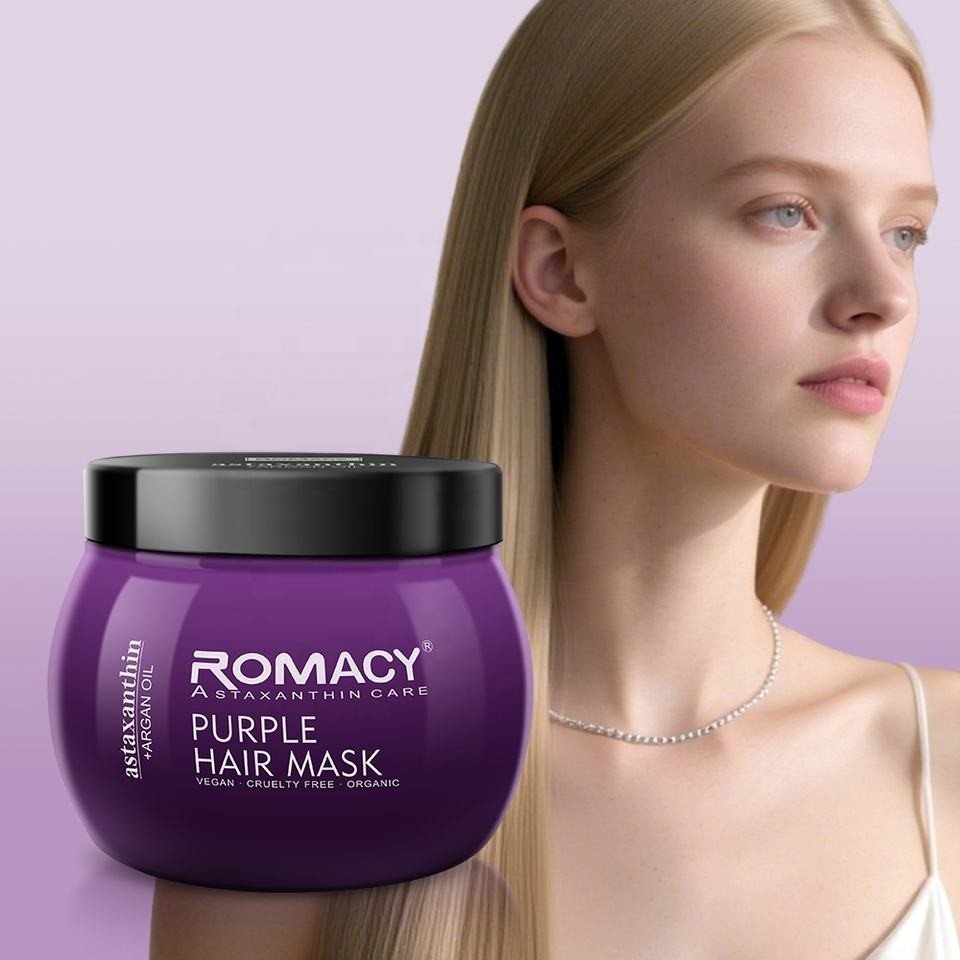
See our hair mask for colored hair and complete hair mask guide for more on hair care quality.
DIY vs Professional: A Cost Comparison
DIY coconut oil mask: $0.10-0.30 per use. Time: 30 minutes prep + 30 minutes wait. Effort: high.
DIY egg mask: $0.50-1.00 per use. Time: 15 minutes prep + 20 minutes wait. Effort: high.
DIY avocado mask: $1.50-3.00 per use. Time: 20 minutes prep + 30 minutes wait. Effort: very high.
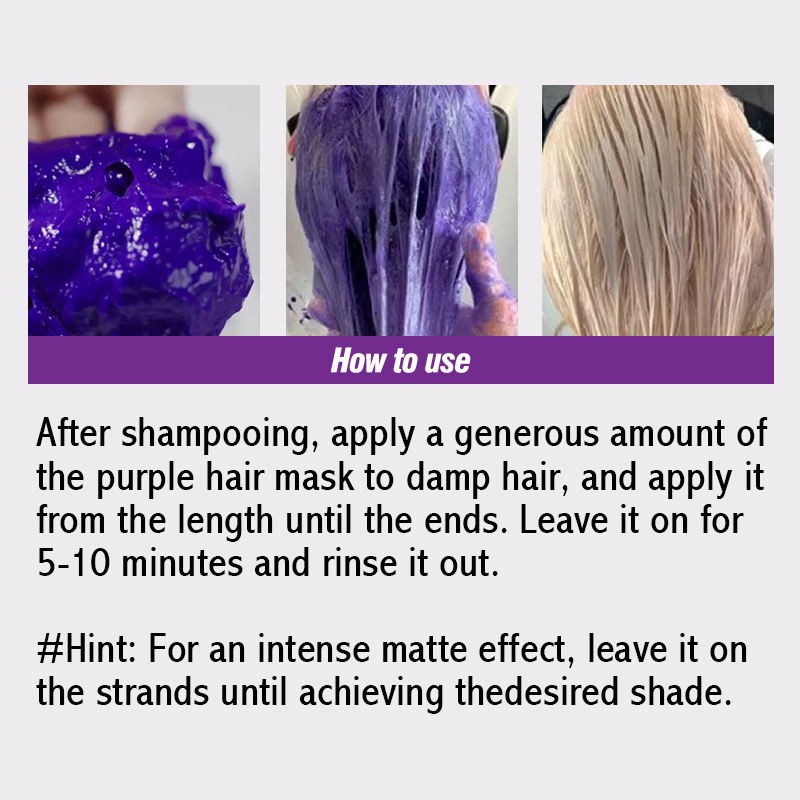
Professional hair mask: $0.50-2.00 per use (5-20 uses per container). Time: 2 minutes application + 10-20 minutes wait. Effort: low.
Professional leave-in + mask combo: $1.00-3.00 per use. Most cost-effective in the long run.
See our how often hair mask and mask for colored hair for professional mask guidance.
DIY Mask: 5 Safety Considerations
Safety 1: Patch test. DIY ingredients can cause allergic reactions. Test on inner arm before applying to hair.
Safety 2: Use immediately. No preservatives means bacterial growth is rapid. Discard leftovers.
Safety 3: Avoid harsh ingredients. Lemon juice, baking soda, and undiluted essential oils can damage hair and scalp.
Safety 4: Watch for nut allergies. Coconut, almond, and other nut-based DIY masks can trigger allergies.
Safety 5: Do not use on irritated scalp. Wait for any cuts, scrapes, or inflammation to heal first.
DIY Mask: 5 Best Recipes
Recipe 1: Coconut oil mask. Apply 1-2 tablespoons to dry hair. Leave on 30 minutes. Shampoo out. Best for dry hair.
Recipe 2: Avocado mask. Mash 1 ripe avocado with 1 tablespoon olive oil. Apply to damp hair. Leave on 20 minutes. Rinse. Best for dry, frizzy hair.
Recipe 3: Egg mask. Mix 1-2 eggs with 1 tablespoon olive oil. Apply to damp hair. Leave on 20 minutes. Rinse with COOL water. Best for oily hair needing strengthening.
Recipe 4: Yogurt mask. Mix 1/2 cup plain yogurt with 1 tablespoon honey. Apply to damp hair. Leave on 15 minutes. Rinse. Best for dry, itchy scalp.
Recipe 5: Banana mask. Mash 1 ripe banana with 1 tablespoon honey and 1 tablespoon coconut oil. Apply to damp hair. Leave on 30 minutes. Rinse thoroughly. Best for very dry hair.
Frequently Asked Questions
Are DIY hair masks effective?
Some are. Coconut oil, argan oil, and avocado masks are effective. Egg masks can work but the protein is poorly absorbed. Yogurt masks can be effective for some hair types.
Which DIY mask is best for dry hair?
Coconut oil or argan oil as a pre-shampoo treatment is the most effective DIY option for dry hair. Both penetrate the hair shaft and provide deep conditioning.
Are professional masks worth the cost?
Yes, for most hair concerns. Professional masks have precise active ingredient concentrations, pH-balanced formulas, and preservatives for safety. They deliver consistent results.
Can DIY masks damage hair?
Some can. Lemon juice can lighten hair, baking soda can disrupt scalp pH, and undiluted essential oils can cause chemical burns. Use DIY masks with caution.
How often should I use a DIY mask?
Weekly for most DIY masks. Coconut oil pre-shampoo can be used 1-2x per week. Avocado masks are best used monthly due to difficulty of removal.
About the Author
Ecolchi Editorial Team — 21 years of hair care manufacturing expertise. ISO 22716 / GMP / FDA / CE certified factory in Guangzhou, China. 1.2M+ bottles/month capacity. 9 in-house brands: Karseell, Ecolchi, Pallamina, Lusstaly, Romacy, Navensi, Chinchy, Delofil, Hischer. Exporting to 130+ countries.
Reviewed by: Chinchy R&D Team (6 graduate engineers, 20+ new products per year)
Sources & References:
Request Free Diy Vs Professional Hair Mask Consultation
No MOQ commitment. Sample lead time 3–5 days. Response within 24 hours.