
How Often Should You Use a Hair Mask? Expert Guide (2026)
- How often to use a hair mask depends on hair type, damage level, and the mask formula.
- Damaged or color-treated hair: 1-2 times per week. Normal hair: every 2 weeks. Fine or oily hair: monthly.
- Overuse can lead to protein buildup, making hair stiff and brittle.
- Best day for a mask: 1-2 days before shampoo day to allow deep penetration.
Hair masks are powerful treatments, but more is not always better. Using a mask too often can lead to protein buildup, weighed-down hair, and even more damage. Using too rarely means you miss out on the deep conditioning benefits.
The right frequency depends on your hair type, damage level, and the specific mask formula. There is no single correct answer for everyone.
Table of Contents
- 3 Factors That Determine Mask Frequency
- Recommended Frequency by Hair Type
- Signs You Are Overusing Hair Masks
- Signs You Are Not Using Masks Enough
- How to Get the Most from Each Mask Session
- Frequently Asked Questions
3 Factors That Determine Mask Frequency
Factor 1: Hair damage level. Heavily damaged hair (chemically treated, heat-damaged, bleached) needs more frequent masks (1-2x per week). Healthy hair needs less (every 2-4 weeks).
Factor 2: Hair type and texture. Coarse, thick, or curly hair tolerates and benefits from more frequent masks (1-2x per week). Fine or thin hair can be overwhelmed by frequent masks (every 2-4 weeks or monthly).
Factor 3: Mask formula. Protein-heavy masks (keratin, collagen) should be used less often (every 1-2 weeks) to avoid protein buildup. Moisture-heavy masks (oils, butters) can be used more often. Balanced formulas are most flexible.

Recommended Frequency by Hair Type
Fine, straight hair: every 2-4 weeks. Risk of weighing down with too-frequent masks. Use lightweight formulas only.
Medium, straight to wavy: every 2 weeks. Good middle ground. Most formulas work.
Thick, wavy: 1-2x per week. Benefits from regular deep conditioning. Both moisture and protein formulas work.
Curly (3A-3B): 1-2x per week. Curly hair is naturally drier and benefits from regular deep conditioning.
Coily (4A-4C): 1-2x per week minimum. Some people benefit from twice-weekly masks. Use rich, moisture-heavy formulas.
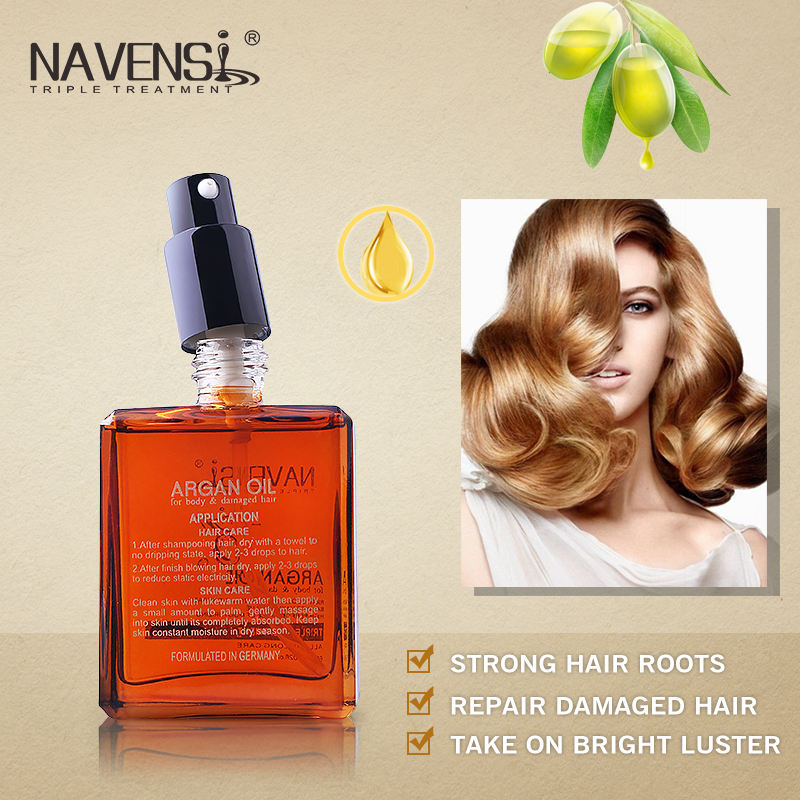
Signs You Are Overusing Hair Masks
Sign 1: Hair feels stiff or straw-like. This is protein buildup. Stop the mask for 2-4 weeks and use a clarifying shampoo.
Sign 2: Hair looks limp and lifeless despite using masks. Over-conditioning is weighing it down. Reduce frequency.
Sign 3: Hair is suddenly oily at the roots but dry at the ends. Mask residue is migrating. Wash more thoroughly after masks.
Sign 4: Hair tangles more than before. Over-conditioning can cause friction issues. Switch to a lighter formula.
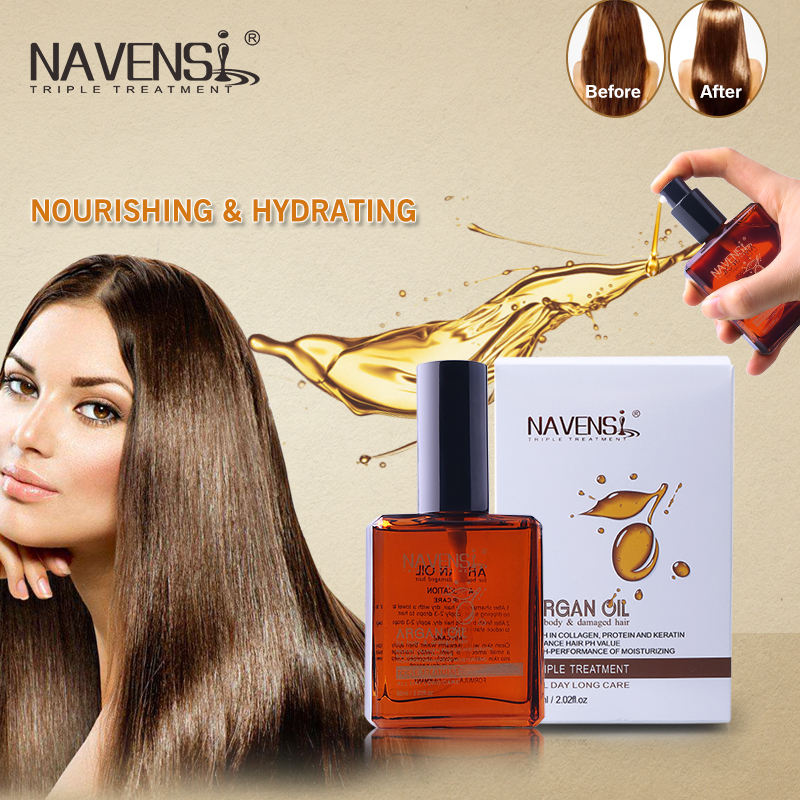
Signs You Are Not Using Masks Enough
Sign 1: Hair feels dry even after conditioner. Daily conditioner is not enough; you need weekly deep treatment.
Sign 2: Hair breaks easily. Brittle hair needs protein support from masks. Use a keratin or collagen mask 1-2x per week.
Sign 3: Frizz will not go away. Frizz is often a sign of cuticle damage that daily conditioner cannot reach. A weekly mask is needed.
Sign 4: Color fades quickly. Without deep conditioning, color-treated hair loses moisture and color faster. Use a mask 1-2x per week.

How to Get the Most from Each Mask Session
Tip 1: Shampoo first. Hair masks work best on clean hair. Shampoo removes buildup that blocks penetration.
Tip 2: Towel dry to damp. Excess water dilutes the mask. Damp hair (not dripping) absorbs better.
Tip 3: Section your hair. Divide into 4-6 sections for even application, especially for thick or long hair.
Tip 4: Use heat for deeper penetration. Wrap treated hair in a warm towel or shower cap for 15-20 minutes. The heat opens the cuticle and helps actives penetrate.
Tip 5: Rinse with cool water. Hot water opens the cuticle; cool water seals it. Sealed cuticle means more shine and less frizz.
Tip 6: Do not apply to roots. Roots are usually oily enough. Apply from mid-length to ends to avoid flat, greasy roots.

Related Guides from Ecolchi
- Romacy Wholesale Salon Hair Care Professional Argan Oil Hair
- Karseell Maca Repair Collagen Hair Mask
- Lusstaly Collagen Professional Hair Mask Treatment Protein
- Ecolchi OEM/ODM Biotin Keratin Hair Mask Repair Moisturizing
- Pallamina OEM ODM Deep Repair Argan Oil Collagen Hair Mask
Hair Mask Frequency Mistakes: 5 Common Errors Brand Owners Should Avoid
Error 1: Recommending daily use. Some brands market masks as ‘daily treatments’ which causes protein buildup. This damages hair long-term and creates customer complaints.
Error 2: Recommending masks for all hair types. Fine hair and oily hair benefit less from masks. Recommending masks universally wastes product and may cause issues.
Error 3: Not specifying contact time. Some users leave masks on for hours or overnight, which can cause irritation. Clear instructions on contact time (5-20 minutes) prevent this.
Error 4: Not specifying rinsing. Some masks are leave-in (designed to stay in); others are rinse-off. Without clear labeling, users may use them incorrectly.
Error 5: Not explaining curl-specific application. For curly hair, application technique matters (squish-to-condish, sectioning). Generic instructions miss the mark for textured hair.

See our hair mask for curly hair and complete hair mask guide for curl-specific application techniques.
Hair Mask Mistakes: 5 Things to Avoid
Mistake 1: Using too much. A quarter-size amount is enough for shoulder-length hair. More is not better.
Mistake 2: Applying to roots. Roots are usually oily enough. Apply from mid-length to ends.
Mistake 3: Skipping the heat. A shower cap or warm towel helps actives penetrate.
Mistake 4: Rinsing with hot water. Hot water opens the cuticle. Use cool water to seal.
Mistake 5: Using daily. Most masks are designed for 1-2x per week, not daily.
See our DIY vs professional hair mask and mask for curly hair.
Hair Mask Application: 5 Tips for Best Results
Tip 1: Shampoo first. Hair masks work best on clean hair. Use a gentle shampoo that does not strip.
Tip 2: Towel dry to damp. Excess water dilutes the mask. Damp hair absorbs better.
Tip 3: Apply generously. Use about a quarter-size for shoulder-length hair. More for longer hair.
Tip 4: Comb through with a wide-tooth comb. Ensures even distribution.
Tip 5: Use heat for deeper penetration. A shower cap or warm towel helps actives absorb.

Frequently Asked Questions
Can I use a hair mask every day?
No, daily use causes protein buildup and over-conditioning. Most people benefit from 1-2x per week at most. Fine hair should be even less frequent (every 2-4 weeks).
How long should I leave a hair mask on?
5-20 minutes for most masks. Some intensive treatments can be left on longer (30-60 minutes) with heat. Overnight use is not recommended unless the product is specifically designed for it.
Should I shampoo after a hair mask?
No, just rinse thoroughly with water. Shampooing after a mask strips the conditioning agents. A light daily conditioner can be applied after the mask for extra softness.
Is a hair mask the same as a leave-in conditioner?
No, a hair mask is a rinse-off intensive treatment. A leave-in conditioner is applied after washing and stays in the hair. They serve different purposes.
How do I know if my hair mask is working?
Hair feels softer, smoother, and more manageable after rinsing. Over the next few days, hair should be less frizzy and easier to style. If you do not see results after 4-6 weeks, try a different formula.
About the Author
Ecolchi Editorial Team — 21 years of hair care manufacturing expertise. ISO 22716 / GMP / FDA / CE certified factory in Guangzhou, China. 1.2M+ bottles/month capacity. 9 in-house brands: Karseell, Ecolchi, Pallamina, Lusstaly, Romacy, Navensi, Chinchy, Delofil, Hischer. Exporting to 130+ countries.
Reviewed by: Chinchy R&D Team (6 graduate engineers, 20+ new products per year)
Sources & References:
Request Free How Often Hair Mask Consultation
No MOQ commitment. Sample lead time 3–5 days. Response within 24 hours.