
The Clean Beauty Revolution: Why Now?
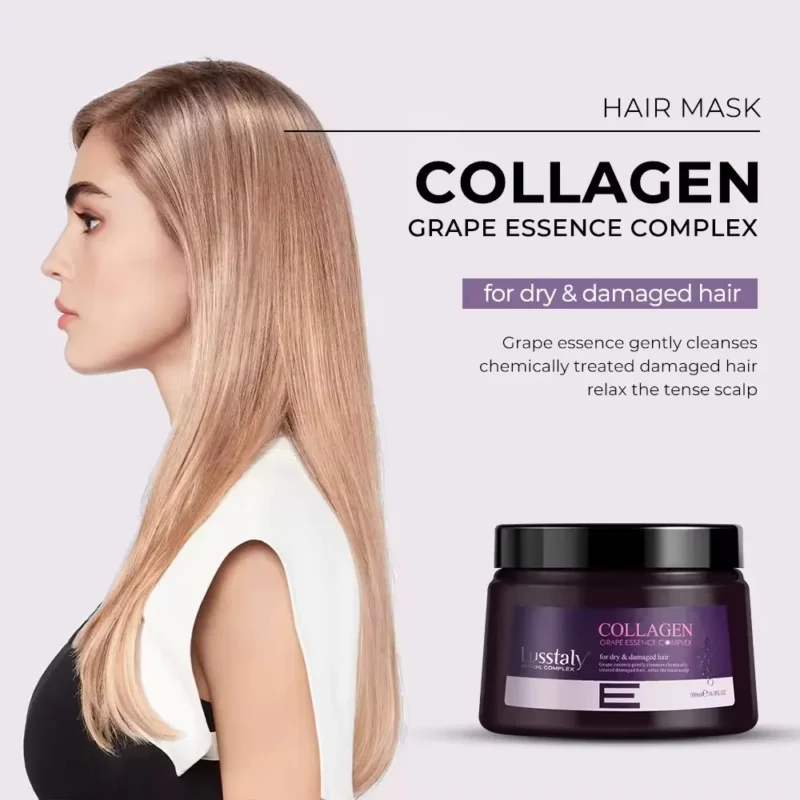 Ecolchi’s natural hair care line features argan oil, collagen, and keratin — clean beauty formulations for brands committed to ingredient transparency.
Consumer Awareness Has Never Been Higher
Modern consumers are more informed than ever about what they put on their bodies:
- Transparansi bahan is now a baseline expectation
- Social media has democratized cosmetic science education
- Influencers and beauty bloggers have created a generation of ingredient-conscious consumers
- The “Forever Chemicals” (PFAS) and “Toxic Beauty” documentaries have sparked mainstream concern
The Generational Shift
Millennials sareng Gen Z are driving demand for natural and clean beauty:
- 73% of Millennials are willing to pay more for sustainable products (Nielsen, 2023)
- 62% of Gen Z actively reads ingredient labels before purchasing (Morning Consult, 2023)
- 58% of consumers under 35 prefer “natural” or “organic” claims on haircare products
- Gen Z is 2x more likely than Boomers to choose brands based on ingredient transparency
Moméntum pangaturan
Governments worldwide are tightening cosmetic ingredient regulations:
- Peraturan Kosmétik EU bans or restricts over 1,600 ingredients
- California’s Toxic-Free Cosmetics Act (2025) prohibits 24 harmful ingredients
- Canada’s Hotlist restricts hundreds of ingredients not covered by US law
- UK has its own post-Brexit ingredient restrictions
Merek anu nganggo natural haircare ingredients are better positioned to adapt to regulatory changes.
What Does “Natural” Mean in Haircare?
Nangtukeun Sarat
Natural Hair Care Products:
Products made with ingredients derived from nature—plants, minerals, and naturally occurring substances—with minimal processing.
Kaéndahan beresih:
A broader term encompassing natural ingredients, sustainability, ethical sourcing, and avoidance of “controversial” ingredients (even if synthetically derived).
Organic Hair Care:
Products made with certified organic ingredients (ECOCERT, COSMOS, USDA Organic)—with stricter limitations on synthetic inputs.
Green Beauty:
A subset focused on environmental sustainability—eco-friendly packaging, carbon footprint reduction, and sustainable sourcing.
What’s NOT Natural Hair Care?
The clean beauty movement has defined clear categories of ingredients to avoid:
❌ Walirang (SLS, SLES) – Harsh surfactants that strip natural oils
❌ Salamet – Preservatives linked to hormone disruption
❌ Phthalates – Plasticizers found in synthetic fragrances
❌ Pelepasan formaldehida – Preservatives that release carcinogenic formaldehyde
❌ Seungit sintétik – Can contain hundreds of unregulated chemicals
❌ Mineral oil / Petrolatum – Derived from petroleum, can cause buildup
❌ Silicones (some) – Non-biodegradable, can cause buildup on some hair types
❌ Triclosan – Antibacterial agent with environmental concerns
❌ Pewarna tar batubara – Used in some hair dyes, with safety concerns
Top Natural Ingredients Reshaping Haircare
1. Argan Oil — The Gold Standard
Naha éta trending: Universally beloved, effective, and marketable
mangpaat: Deep hydration, shine enhancement, frizz control, heat protection
Market evidence: Argan oil hair products are among the top-selling natural haircare categories globally
sumber: Morocco (protected designation of origin adds authenticity)
2. Coconut Oil — The Versatile All-Star
Naha éta trending: Affordable, accessible, scientifically validated
mangpaat: Deep penetration into hair shaft, moisture retention, scalp health, protein damage prevention
panalungtikan: Multiple peer-reviewed studies confirm coconut oil’s ability to reduce protein loss in damaged hair
3. Keratin (Plant-Based) — The Repair Specialist
Naha éta trending: Consumer demand for protein treatments combined with clean beauty preferences
mangpaat: Strengthens hair, repairs damage, smooths cuticle, reduces breakage
Pendekatan modéren: Plant-based keratin alternatives (from wheat, soy, silk) provide similar benefits without animal derivatives
4. Collagen (Vegan) — The Moisture Magnet
Naha éta trending: Hydration-focused haircare is the #1 consumer priority
mangpaat: Moisture retention, improved elasticity, shine enhancement, protective film
Pendekatan modéren: Vegan collagen (from plant sources) delivers the same humectant benefits
5. Maca Root Extract — The Scalp Superfood
Naha éta trending: Newer ingredient with powerful scalp health benefits
mangpaat: Stimulates hair follicles, supports scalp circulation, strengthens roots
Posisi pasar: Premium and differentiated—few mainstream brands use maca
6. Astaxanthin — The Next-Gen Antioxidant
Naha éta trending: One of the most powerful natural antioxidants known—50x more potent than Vitamin E
mangpaat: Antioxidant protection, UV damage prevention, scalp health
sumber: Algae (Haematococcus pluvialis)—sustainable and potent
7. Rosemary Extract — The Science-Backed Hero
Naha éta trending: Clinical research validating traditional use
mangpaat: Stimulates hair growth, improves circulation, strengthens hair
panalungtikan: A 2022 comparative study found rosemary oil as effective as 2% minoxidil for hair regrowth—with fewer side effects
8. Biotin — The Hair Vitamin
Naha éta trending: Strong consumer awareness and demand for beauty-from-within
mangpaat: Supports keratin production, strengthens hair shaft, promotes growth
Posisi pasar: Synonymous with “hair health” in consumer minds
9. Tea Tree Oil — The Scalp Clarifier
Naha éta trending: Clean beauty consumers want alternatives to synthetic antifungal agents
mangpaat: Antimicrobial, dandruff control, scalp clarifying, refreshing sensation
Market evidence: Tea tree oil shampoo is a top-performing natural haircare subcategory
10. Shea Butter — The Heavyweight Moisturizer
Naha éta trending: Essential for textured and curly hair care—hugely growing market
mangpaat: Deep moisture, cuticle sealing, frizz prevention, elasticity
Market evidence: Shea butter haircare is particularly strong in the Black hair care market—a $2.6B+ segment
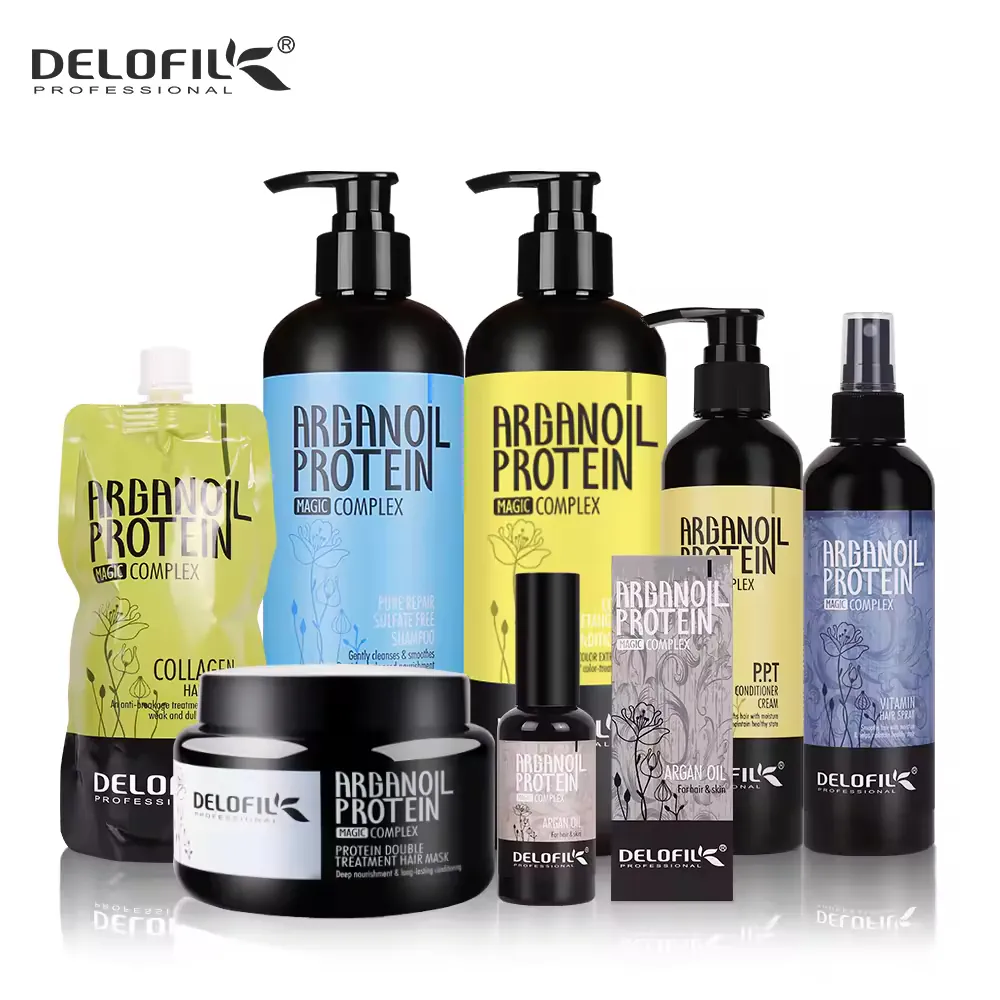
Market Trends Driving Natural Haircare Growth
Trend 1: The “Free-From” Movement
“Sulfate-free,” “paraben-free,” “cruelty-free,” “vegan” labels are now mainstream purchase drivers. Products that prominently display clean credentials outperform those that don’t—even when the actual ingredient quality is similar.
Trend 2: Ingredient Transparency
The rise of apps like Pikir Kotor jeung EWG’s Skin Deep has empowered consumers to scrutinize ingredient lists. Brands that proactively disclose and explain their ingredients build trust that competitors can’t easily replicate.
Trend 3: Scalp Health as the New Skincare
Consumers now apply the same logic to their scalps as their skin—recognizing that a healthy scalp is the foundation for healthy hair. Scalp serums, exfoliating treatments, and microbiome-friendly shampoos are the fastest-growing natural haircare subcategory.
Trend 4: Waterless and Concentrated Formats
The clean beauty ethos extends to sustainability—shampoo bars, solid conditioners, and waterless treatments reduce plastic waste and carbon footprint while delivering concentrated natural ingredients.
Trend 5: Customization and Personalization
Natural haircare consumers want products tailored to their specific hair type, concerns, and values. Brands offering personalized natural haircare routines (via quiz-based recommendations) see significantly higher conversion rates.
Trend 6: “Skinification” of Hair
Skincare ingredients—niacinamide, hyaluronic acid, ceramides, peptides—are migrating into haircare. This trend intersects with natural haircare when brands use naturally-derived versions of these actives.
The Competitive Landscape: Who’s Winning
Natural Haircare Brands to Watch
- Botanical Herbivore — Clean luxury positioning, Instagram dominance
- Pai Skincare — B Corp certified, ingredient transparency pioneer
- Aveda — Clean beauty pioneer, professional salon positioning
- Fungsi kageulisan — Customization leader, data-driven formulations
- Tukang Curlsmith — Natural haircare for textured hair, viral TikTok presence
Traditional Brands Responding
Even legacy brands are pivoting to natural:
- Hakékat Hérbal reformulated with botanicals
- Sirah & Taktak launched a “natural” line
- ekstensi OG built its brand around natural ingredients (though controversial)
- Pantene introduced a clean version
palajaran: natural haircare is no longer optional for brands that want to compete.

How Brands Can Capitalize on Natural Haircare Trends
Strategy 1: Lead with Natural Ingredients
Formulate with natural haircare ingredients as the hero—not as a marketing afterthought. Choose:
- Produk sareng minimum 70% natural origin ingredients
- Certified natural/organic ingredients dimana mungkin
- Transparent INCI labeling with explanatory consumer-facing content
Strategy 2: Go Beyond “Free-From”
Avoiding bad ingredients isn’t enough—actively showcase the benefits of your natural ingredients:
- Explain *why* argan oil is in your formula
- Highlight the specific function of each botanical extract
- Bagikeun na science behind the natural ingredients
Strategy 3: Invest in Certifications
Certifications provide instant credibility:
- ECOCERT / COSMOS — International natural/organic standard
- Luncat Bunny — Cruelty-free guarantee
- B Corp. — Ethical business practices
- USDA Organik — Rigorous organic standard
Strategy 4: Champion Sustainability
Natural haircare and sustainability are inseparable in consumer minds:
- Bungkusan ramah lingkungan (refillable, recyclable, biodegradable)
- Sustainable sourcing of key ingredients (fair trade, protected origins)
- Manufaktur karbon-nétral (certified facilities)
- Minimalist formulations (fewer ingredients, less environmental impact)
Strategy 5: Target Underserved Hair Types
The natural haircare movement has strong resonance with:
- Natural and textured hair (clean ingredients for curly/coily hair)
- Kulit sirah sensitip (gentle, natural formulations)
- Rambut diwarnaan (bébas sulfat natural preservation)
Challenges for Brands in Natural Haircare
⚠️ Shelf Stability
Natural preservatives are less effective than synthetic ones. Brands need:
- Careful formulation with compatible natural ingredients
- Bungkusan tanpa hawa pikeun nyegah oksidasi
- Smaller batch sizes with faster turnover
- Clear expiration dating (PAO – Period After Opening)
⚠️ Performance Perception
Historically, natural products were perceived as less effective. Counter this by:
- Publishing before/after clinical data
- Leveraging consumer testimonials and reviews
- Using professional styling testimonials
- Transparent before/after claims
⚠️ Greenwashing Risk
“Natural” is now a marketing buzzword—making it easy to overstate claims. To avoid backlash:
- Back up every natural claim with documentation
- Janten spésifik (“made with argan oil” vs. “natural”)
- Kénging sertipikasi rather than self-declaring
The Numbers: Natural Haircare Market Snapshot
Takeaways Akhir
nu perawatan rambut alami revolution is not a passing trend—it’s a fundamental market shift driven by informed consumers, regulatory pressure, and genuine demand for safer, more sustainable products.
For brands, the opportunity is clear:
- Consumers want clean beauty haircare with natural ingredients
- Science validates many traditional natural ingredients (rosemary, coconut oil, argan oil)
- Certification provides competitive advantage di pasar ramé
- Sustainability and natural go hand in hand in consumer perception
Ready to formulate with natural haircare ingredients? Ecolchi’s R&D team specializes in clean beauty formulations using natural and organic ingredients—keratin, collagen, argan oil, maca, and botanical extracts—for brands committed to the natural haircare movement. Explore their natural product range at ecolchifactory.com →
