Vegan vs Non-Vegan Hair Care: What Is the Difference? (2026)
- Vegan vs non-vegan hair care differs in ingredient sourcing, not necessarily performance.
- Vegan avoids: keratin, collagen, beeswax, lanolin, silk. Uses: plant proteins, plant oils, plant waxes.
- Plant-based proteins (soy, wheat, quinoa) perform similarly to animal proteins in most applications.
- For brand owners: vegan is a growing segment (15-20% of new product launches in 2026). Worth considering for line extension.
Vegan hair care has grown from a niche category to a mainstream segment. Consumer interest is driven by ethics, sustainability, and personal health. But what is the actual difference between vegan and non-vegan hair care?
As a manufacturer of both, we can offer a balanced view. This guide covers ingredients, performance, and what to look for.
Table of Contents
- Animal vs Plant Ingredients: Side-by-Side
- Performance Comparison
- Vegan and Cruelty-Free Certifications
- Market Size and Growth
- When to Choose Vegan vs Non-Vegan
- Frequently Asked Questions
Animal vs Plant Ingredients: Side-by-Side
Keratin (animal: sheep wool, chicken feathers) vs plant proteins (soy, wheat, quinoa, rice). Plant proteins have similar molecular weights and similar penetration properties.
Collagen (animal: bovine, fish, marine) vs plant collagen alternatives (yeast/bacterial fermented, palm-derived). Plant alternatives have similar amino acid profiles but different bioavailability.
Performance Comparison
Strengthening: hydrolyzed keratin (animal) is the gold standard. Plant proteins (hydrolyzed wheat, soy, quinoa) approach but do not quite match animal keratin for severely damaged hair.
Moisturizing: plant oils (argan, coconut, jojoba) are excellent and widely used. Animal-derived oils (lanolin) are also effective but less common in modern formulations.
Vegan and Cruelty-Free Certifications
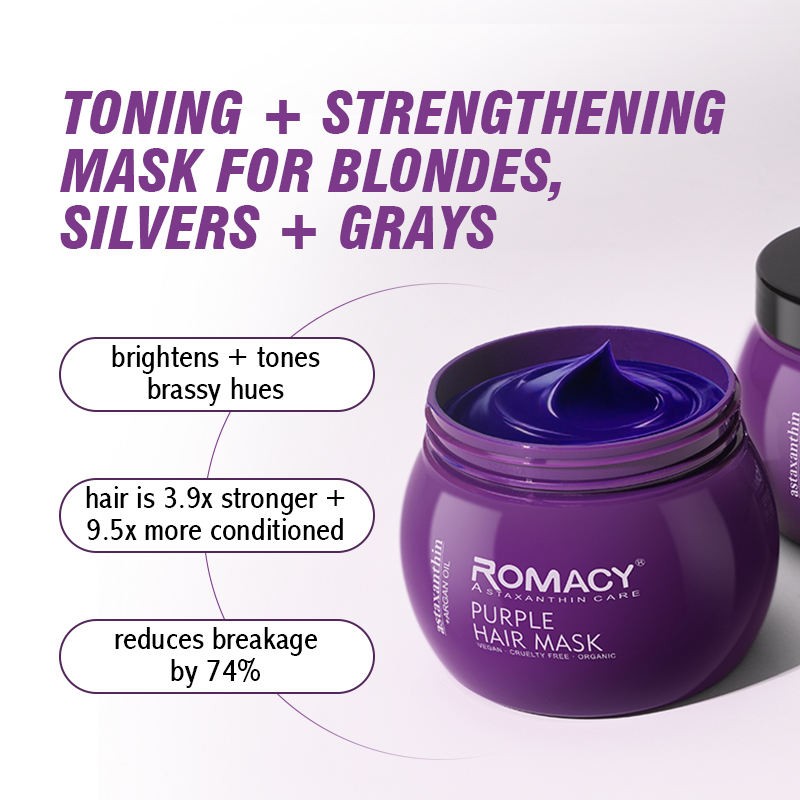
Vegan Society: the original vegan certification, established 1944. Requires no animal ingredients and no animal testing. Globally recognized.
Leaping Bunny: cruelty-free certification, no animal testing. The product may still contain animal ingredients.
PETA Beauty Without Bunnies: cruelty-free certification, similar to Leaping Bunny.
Market Size and Growth
Vegan hair care market size: estimated $2.8B in 2025, growing 12-15% annually.
Demographics: strongest among Gen Z and Millennial consumers (18-40), with 35-45% reporting preference for vegan products when available.

When to Choose Vegan vs Non-Vegan
Choose vegan if: you have ethical concerns about animal products, you have certain allergies (lanolin, beeswax), you want to align with sustainability values, you are targeting the vegan market segment.
Choose non-vegan if: you have severely damaged hair that responds best to hydrolyzed keratin, you have specific allergies to plant proteins, cost is the primary concern.

Related Guides from Ecolchi
- Romacy Wholesale Sulfate Free Argan Oil Shampoo Customized
- Lusstaly Private Label Argan Oil Hair Oil
- Karseell Maca Protein Hair Leave In Treatment Private Label
- Navensi Factory Hair Treatment Serum Oil Wholesale Private L
- Ecolchi OEM/ODM Moroccan Hair Care Essential Oil Best Stylin
Vegan Hair Care Manufacturing: Sourcing Plant-Based Proteins
Plant protein sources for hair care: (1) hydrolyzed wheat protein (most common, similar molecular weight to keratin), (2) hydrolyzed soy protein (good for strengthening), (3) hydrolyzed quinoa protein (premium, complete amino acid profile), (4) hydrolyzed rice protein (gentle, good for fine hair), (5) hydrolyzed pea protein (sustainable, vegan-friendly).
Performance comparison: hydrolyzed wheat protein is closest to keratin in performance. Quinoa protein is the most premium. Rice protein is the gentlest. Soy protein is the most strengthening.
Cost comparison: plant proteins range $8-30/kg depending on source and quality. Wheat is cheapest; quinoa is most expensive. Compared to animal keratin at $20-50/kg, plant proteins are 30-50% cheaper for comparable performance.
Sustainability: plant proteins are generally more sustainable than animal proteins. Lower water use, no animal welfare concerns, often from agricultural byproducts.
Vegan certification: requires third-party audit (Vegan Society, Certified Vegan, etc.). The certification process is straightforward but requires annual audits to maintain.
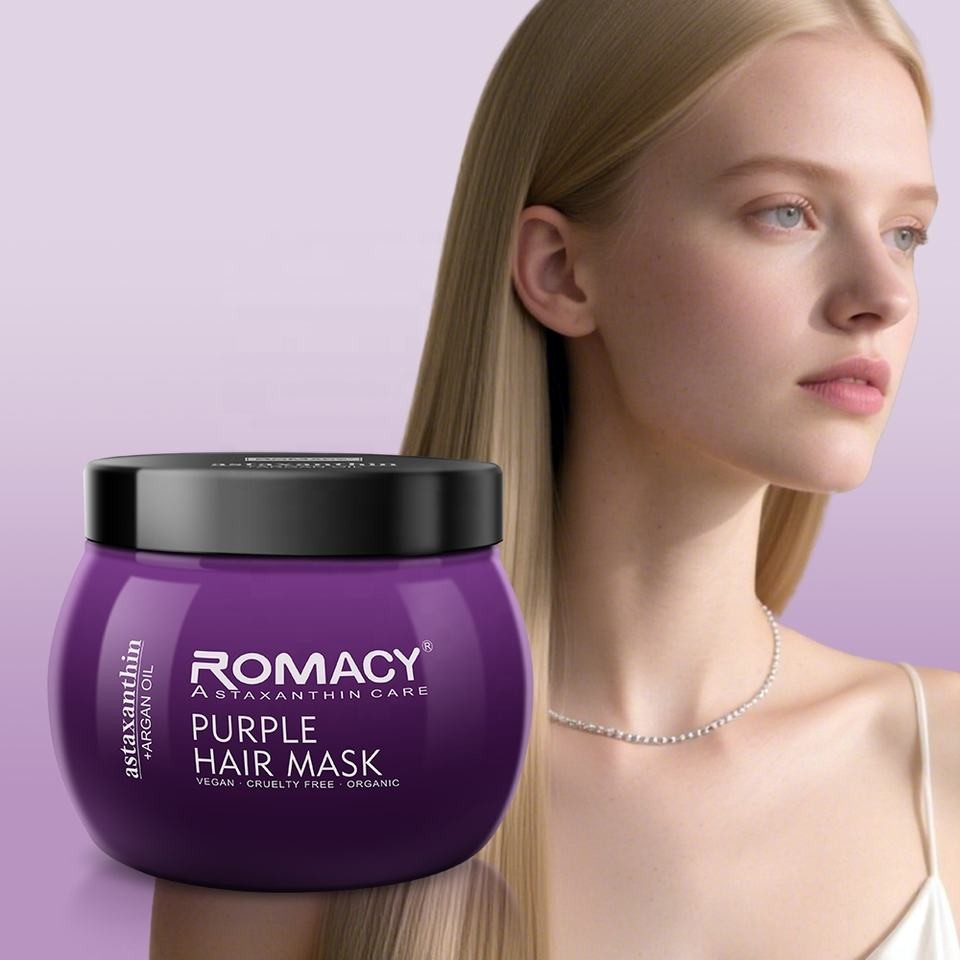
See our complete hair care manufacturing process and OEM/ODM services for vegan product development.
Vegan Hair Care: 5 Common Myths
Myth 1: Vegan hair care is less effective. Modern plant proteins perform similarly to animal proteins.
Myth 2: Vegan hair care is only for vegans. Many non-vegans prefer vegan products for ethical or sustainability reasons.
Myth 3: Vegan hair care is always more expensive. Some plant-based products are cheaper than animal-based equivalents.
Myth 4: Vegan hair care does not include ‘natural’ ingredients. Many vegan products are also natural and organic.
Myth 5: Vegan hair care cannot be professional. Many salon brands now offer vegan professional lines.
See our OEM vs ODM guide and complete hair care manufacturing for formulation context.
Vegan Certification: 5 Things to Know
Fact 1: The two main certifications are Vegan Society and Certified Vegan. Both require no animal ingredients and no animal testing.
Fact 2: Certification is annual. Audits verify continued compliance.
Fact 3: Certification adds cost. Expect $1,000-3,000 for the first year plus ongoing audit fees.
Fact 4: Vegan is different from cruelty-free. Vegan is about ingredients; cruelty-free is about testing.
Fact 5: Vegan products can be sold at premium prices. Vegan consumers are willing to pay 20-40% more for certified products.

Vegan Q&A: 5 Common Questions
Q: Is vegan hair care cruelty-free? A: Vegan is about ingredients. Cruelty-free is about testing. They are related but different.
Q: Does vegan hair care work as well as non-vegan? A: Modern plant proteins perform similarly in most applications.
Q: Is vegan hair care more expensive? A: Slightly, due to higher plant-based ingredient costs.
Q: Can vegan products be used on all hair types? A: Yes, vegan formulations exist for every hair type.
Q: Are there vegan salon brands? A: Yes, several professional brands now offer vegan lines.
5 Vegan Hair Care Myths Debunked
Myth 1: Vegan products do not lather well. Modern plant-based surfactants (SCI, decyl glucoside) produce excellent lather.
Myth 2: Vegan products are not as effective. Modern plant proteins perform similarly to animal proteins in most applications.
Myth 3: Vegan products are only for vegans. Many non-vegans choose vegan products for ethical or sustainability reasons.
Myth 4: Vegan products cannot be salon-quality. Several professional brands now offer vegan professional lines.
Myth 5: Vegan products do not include natural ingredients. Many vegan products are also natural and organic.
Vegan hair care has moved from niche to mainstream. Modern plant-based proteins and ingredients perform similarly to animal-derived alternatives for most applications. The 20-40% price premium is justified for consumers who value ethical sourcing and sustainability.
Frequently Asked Questions
Is vegan hair care better for hair?
Not necessarily better, but it avoids animal-derived ingredients like keratin, collagen, and beeswax. Performance is similar to non-vegan when formulated well.
Is vegan hair care more expensive?
Slightly more expensive due to higher plant-based ingredient costs. Premium vegan lines can be 20-40% more expensive than non-vegan equivalents.
Are vegan hair products as effective as non-vegan?
Modern plant-based proteins (soy, wheat, quinoa) perform similarly to animal-derived proteins (keratin, collagen) in most applications.
What are common animal-derived ingredients in hair care?
Keratin (from sheep wool, chicken feathers), collagen (from bovine/fish), beeswax, honey, lanolin (from sheep), silk amino acids (from silkworms), and squalane (historically from shark liver).
Is vegan the same as cruelty-free?
No. Vegan means no animal-derived ingredients. Cruelty-free means no animal testing. A product can be vegan but tested on animals, or cruelty-free but contain animal ingredients.
About the Author
Ecolchi Editorial Team — 21 years of hair care manufacturing expertise. ISO 22716 / GMP / FDA / CE certified factory in Guangzhou, China. 1.2M+ bottles/month capacity. 9 in-house brands: Karseell, Ecolchi, Pallamina, Lusstaly, Romacy, Navensi, Chinchy, Delofil, Hischer. Exporting to 130+ countries.
Reviewed by: Chinchy R&D Team (6 graduate engineers, 20+ new products per year)
Sources & References:
Request Free Vegan Hair Care Consultation
No MOQ commitment. Sample lead time 3–5 days. Response within 24 hours.