
The Short Answer

Conditioner is a daily lightweight moisturizer that smooths and detangles after every wash. Hair mask is a weekly intensive treatment that penetrates deep into the hair shaft to repair, strengthen, and restore from within.
Think of it this way:
- Conditioner = your daily moisturizer (light, every-day use)
- Hair mask = your weekly facial (deep, intensive, periodic use)
How Conditioner Works
What Is Conditioner?
Conditioner (also called rinse-out conditioner or daily conditioner) is a hair care product designed to be applied after every shampoo, then rinsed out. Its primary job is to:
- Neutralize the negative charge left by shampoo surfactants
- Smooth the cuticle to reduce static and friction
- Add slip for easier detangling
- Deposit lightweight moisture onto the hair surface
Conditioner Formulation: What Makes It Work
Conditioners are typically cationic formulations—they carry a positive electrical charge that attracts them to the negatively charged hair shaft, allowing them to deposit conditioning agents effectively.
Common conditioner ingredients:
- Quaternary ammonium compounds (Cetrimonium Chloride, Behentrimonium Chloride) – positively charged conditioning agents that coat the hair
- Fatty alcohols (Cetyl Alcohol, Stearyl Alcohol) – emollients that add softness without greasiness
- Silicones (Dimethicone, Cyclopentasiloxane) – create a smooth, slippery coating on the hair surface
- Hydrolyzed proteins – small amounts for surface-level strengthening
- Humectants (Glycerin, Panthenol) – attract and retain moisture
How Long Should You Leave Conditioner On?
30 seconds to 2 minutes is sufficient. Conditioners work quickly because they operate primarily on the hair surface—they don’t need extended time to penetrate deep into the cortex.
Who Should Use Conditioner?
Everyone. Seriously. Conditioner is the second step of every standard hair wash routine and should never be skipped. Even if you have fine or thin hair that can’t handle heavy products, there’s a lightweight conditioner formulated for you.
—
How Hair Mask Works
What Is a Hair Mask?
A hair mask (also called a deep conditioner, intensive treatment, or hair repair mask) is a concentrated treatment designed to:
- Penetrate deep into the hair cortex (not just the surface)
- Deliver active ingredients at higher concentrations than conditioner
- Repair damaged proteins in the hair shaft
- Restore moisture balance at a fundamental level
Hair Mask Formulation: What’s Different
The key difference between a hair mask vs conditioner comes down to penetration depth and ingredient concentration.
Hair mask ingredients (and how they work):
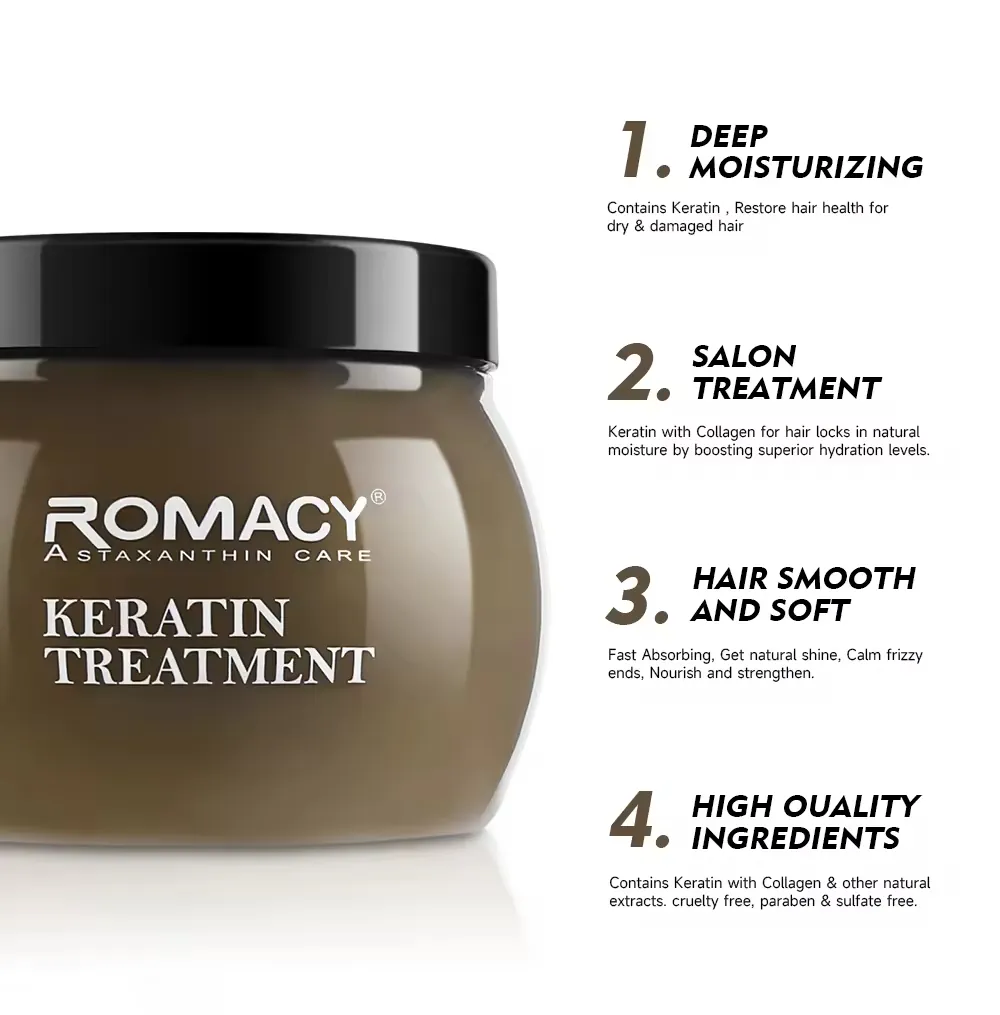
- Hydrolyzed keratin – penetrates the cortex to rebuild protein structure
- Hydrolyzed collagen – coats and plumps the hair shaft from within
- Natural oils (Argan Oil, Coconut Oil, Shea Butter) – deliver fatty acids deep into the hair
- Panthenol (Vitamin B5) – attracts moisture and improves elasticity
- Amino acids – building blocks of keratin that repair damage
- Humectants (Honey, Aloe Vera) – draw moisture into the hair shaft
How Long Should You Leave a Hair Mask On?
5 to 30 minutes (sometimes longer for intensive treatments). The extended time allows active ingredients to penetrate the cuticle and reach the cortex where the real repair happens.
Pro tip: Cover your hair with a shower cap or warm towel while the mask processes. Heat opens the cuticle and allows deeper penetration—significantly boosting the mask’s effectiveness.
Who Should Use a Hair Mask?
- ✅ Anyone with chemically processed hair (colored, bleached, permed, relaxed)
- ✅ Anyone with heat-damaged hair from flat irons, curling wands, or blow dryers
- ✅ Anyone with dry, coarse, or frizzy hair
- ✅ Anyone with split ends or brittle hair
- ✅ Anyone with color-treated blonde or gray hair (purple hair masks)
- ✅ Everyone should use a hair mask at least once per week as maintenance
—
Hair Mask vs Conditioner: Head-to-Head Comparison
—
The Key Structural Difference: Where They Work
This is the most important distinction and the root of all other differences:
Conditioner Works on the Surface
Conditioner smooths the cuticle (the outer protective layer of the hair). It acts like a temporary coating that:
- Reduces friction between hair strands
- Makes hair feel softer immediately
- Helps comb through tangles
- Creates a temporary shine effect
But here’s the catch: once the coating washes off, the benefits disappear. That’s why conditioner effects are immediate but short-lived.
Hair Mask Works From Within
Hair mask active ingredients penetrate past the cuticle into the cortex (the inner structure of the hair). This is where:
- Hair’s strength comes from (keratin protein bonds)
- Moisture is actually stored
- Damage actually occurs
When a keratin hair mask or collagen hair mask penetrates the cortex, it permanently improves the hair’s condition—not just temporarily coating the surface. This is why consistent mask use over time leads to cumulative, lasting improvements in hair quality.
—

Can You Use Both? The Layering Method
Absolutely yes—and this is actually the ideal routine for most people. Here’s how to layer them:
Standard Hair Mask vs Conditioner Routine
Step 1: Shampoo – Clean your scalp and hair of dirt, oil, and buildup
Step 2: Hair Mask – Apply to mid-lengths and ends only (avoid the scalp for most masks). Leave on for 10–30 minutes under a shower cap or warm towel
Step 3: Rinse – Rinse the mask thoroughly with cool water
Step 4: Conditioner – Apply a light conditioner to the lengths and ends (your scalp may not need it). Leave on for 1–2 minutes
Step 5: Final Rinse – Rinse with cool water
Why this works: The mask does the deep repair work. The conditioner seals the cuticle after the mask and adds an extra layer of softness and slip.
When to Skip the Mask and Use Just Conditioner
- You’re in a hurry
- You washed your hair just yesterday
- Your hair feels fine and healthy
- You’re traveling and don’t have access to your mask
—
Choosing the Right Hair Mask for Your Needs
Not all hair masks are the same. Here’s how to choose:
For Damaged or Chemically Processed Hair
Best choice: Keratin hair mask — rich in hydrolyzed keratin to rebuild the hair’s protein structure. Look for formulas that also contain argan oil for added moisture.
For Dry, Dehydrated, or Moisture-Deprived Hair
Best choice: Collagen hair mask — hydrolyzed collagen acts as a humectant, drawing moisture into the hair shaft. Combine with natural oils (shea butter, argan oil) for maximum hydration.
For Color-Treated Blonde or Gray Hair
Best choice: Purple hair mask — purple pigments neutralize yellow and brassy tones while the conditioning agents restore moisture lost during the bleaching process.
For Natural or Textured Hair
Best choice: Deep conditioning mask with argan oil and shea butter — these ingredients provide the heavy moisture that coily and curly hair types need to thrive.
For Oily Hair (Yes, You Can Use a Mask!)
Best choice: Lightweight protein mask — focus on keratin rather than heavy oils. Apply only to the ends where dryness is concentrated. Avoid the scalp.
—
Signs You Need a Hair Mask (Not Just Conditioner)
🚩 Your hair feels straw-like or rough after washing
🚩 You notice split ends appearing frequently
🚩 Your hair snaps or breaks when combing or styling
🚩 Color fades within weeks of your salon appointment
🚩 Heat styling causes visible damage or sizzling
🚩 Your hair feels dry despite using conditioner
🚩 You have chemically treated hair (color, bleach, perm, relaxer)
🚩 Your hair has been exposed to sun, chlorine, or saltwater
🚩 You use heat tools daily
🚩 Your hair is thick, coarse, or frizzy
—
How Often Should You Use a Hair Mask?
—
Final Verdict: Hair Mask vs Conditioner
The bottom line: you need both.
Conditioner and hair mask serve different, complementary purposes:
- Conditioner is your daily essential—lightweight, quick, and effective for maintaining smoothness after every wash
- Hair mask is your weekly investment—concentrated, intensive, and transformative for long-term hair health
Think of conditioner as eating well every day and hair mask as visiting the dermatologist for a professional treatment. Both matter.
Ready to build a professional hair care routine for your brand? Ecolchi offers a complete range of keratin hair masks, collagen hair masks, purple hair masks, and conditioners available for private label and OEM/ODM customization. Explore the product catalog at ecolchifactory.com →
