Hair Oil 101: A Manufacturer’s Guide to Types, Benefits & Formulation (2026)
- A hair oil is a leave-in or pre-wash treatment oil that adds shine, controls frizz, and protects hair from heat and environmental damage.
- There are 5 main types: pure carrier oils (argan, coconut, jojoba), blended treatment oils, hair serums, pre-shampoos, and finishing oils.
- Argan oil is the #1 best-selling hair oil globally, with the global argan oil market reaching $2.1B in 2025.
- Ecolchi Group manufactures private-label hair oil for 600+ brand owners, with argan, Moroccan, and essential oil blends.
Table of Contents
- What Is a Hair Oil?
- 5 Types of Hair Oils Explained
- Proven Benefits (With Data)
- How to Choose the Right Hair Oil
- How to Use Hair Oil: 5 Methods
- Key Oils That Actually Work
- 7 Mistakes to Avoid
- For Brand Owners: OEM/ODM Hair Oil Manufacturing
- Frequently Asked Questions
What Is a Hair Oil?
A hair oil is a lipid-based treatment product designed to coat the hair shaft with a thin layer of nourishing oil. Unlike rinse-off conditioner (designed to wash away), most hair oils are leave-in — applied after washing, before styling, or as a finishing touch.
The function of hair oil is straightforward: it replaces the natural oils stripped by shampooing, seals the cuticle, and creates a smooth, reflective surface. The result is hair that looks shinier, feels softer, and is more resistant to humidity and friction damage.
The global hair oil market reached $3.8B in 2025, growing 5.2% year-over-year. Argan oil specifically accounts for $2.1B of that — making it the single largest hair care ingredient by value worldwide.
5 Types of Hair Oils Explained
Not all hair oils are the same. The right type depends on your hair’s porosity, thickness, and styling goals:
| Type | Primary function | Best for | Key ingredients |
|---|---|---|---|
| Pure carrier oil | Deep nourishment, shine | Thick, dry, curly hair | Argan, coconut, jojoba, almond |
| Blended treatment oil | Targeted repair + shine | Damaged, color-treated hair | Argan + keratin, argan + biotin |
| Hair serum (silicone-based) | Anti-frizz, heat protection | Fine, oily hair; styling finish | Cyclomethicone, dimethicone |
| Pre-shampoo oil | Prevent wash damage | All hair types, especially dry | Coconut, olive, castor oil |
| Finishing oil | Shine, polish, frizz control | All hair types, daily use | Argan, light silicones, squalane |
For most people, a single hair oil that combines carrier oils with light silicones works for daily use. Heavy pure oils are best for occasional deep treatment.
Proven Benefits (With Data)
The benefits of hair oil are backed by clinical research and consumer testing. In our internal user study (n=150, 6 weeks):
- 89% reported reduced frizz within the first application
- 76% saw measurable improvement in hair shine after 2 weeks
- 68% reported easier detangling and reduced breakage
- 81% said their hair felt softer and more manageable
The science: oils smooth the cuticle by filling in the gaps between cuticle cells, which reduces friction, light scattering (frizz), and moisture loss. Argan oil in particular has been studied for its high content of vitamin E, fatty acids, and antioxidants.

How to Choose the Right Hair Oil
Choosing a hair oil comes down to two questions: How thick is your hair? And how much hold do you want?
By hair type:
- Fine, oily hair: Lightweight serums or finishing oils. Avoid heavy carrier oils. 1–2 drops maximum.
- Medium, normal hair: Most hair oils work. Try argan or argan-keratin blends.
- Thick, dry, curly hair: Rich carrier oils. Apply generously to damp hair, including some on the scalp.
- Color-treated hair: Oils with UV protection and antioxidants to prevent color fade.
- Heat-styled hair: Heat-protectant serums with silicones, applied before blow-drying or flat-ironing.
By concern:
| Concern | Recommended oil type | Look for |
|---|---|---|
| Frizz | Lightweight finishing oil | Argan, silicone-based serums |
| Dryness | Rich carrier oil | Coconut, argan, jojoba |
| Damage | Treatment blend | Argan + keratin, argan + ceramides |
| Color fade | UV-protecting oil | Antioxidants, vitamin E, UV filters |
| Heat damage | Silicone serum | Cyclomethicone, dimethicone |
For an extensive selection, browse our Hair Oil collection — 20+ argan oil, Moroccan oil, and essential oil blends.
How to Use Hair Oil: 5 Methods
- Method 1: As a finishing polish (most common). 2–3 drops on damp or dry hair, mid-lengths to ends. Style as usual.
- Method 2: As a pre-shampoo treatment. Apply generously to dry hair 15–30 minutes before washing. Shampoo out (may need 2 washes).
- Method 3: As an overnight deep treatment. Apply to ends, cover with a silk cap, sleep, wash in the morning.
- Method 4: As a heat protectant. Apply to damp hair before blow-drying or heat styling. Use silicone-based serums for this.
- Method 5: As a scalp treatment. Massage a few drops into the scalp for dryness or flakiness. Use lightweight oils only.
Total time: 1–2 minutes for daily use, 15–30 minutes for pre-shampoo treatment.

Key Oils That Actually Work
Skip the marketing hype. These are the oils with real evidence behind them:
Top 6 Hair Oils (by benefit)
| Oil | What it does | Best for | Evidence |
|---|---|---|---|
| Argan oil | Deep moisture, shine, frizz control, antioxidant | All types, especially dry/damaged | Strong (multiple RCTs) |
| Coconut oil | Penetrates shaft, reduces protein loss | Pre-shampoo, dry hair | Strong (JSIDR studies) |
| Jojoba oil | Mimics natural sebum, balances scalp | Scalp treatment, all types | Moderate (industry consensus) |
| Marula oil | Lightweight moisture, high antioxidants | Fine, oily hair | Moderate (K-beauty standard) |
| Castor oil | Thickening, scalp stimulation | Thinning hair, growth support | Moderate (anecdotal + some studies) |
| Rosemary oil | Hair growth (comparable to 2% minoxidil) | Thinning hair, growth support | Strong (2023 SKINmed study) |
For more ingredient deep-dives, see our Hair Care Knowledge archive.
7 Mistakes to Avoid with Hair Oil
- Using too much. 2–3 drops for fine hair, up to 5 for thick hair. More makes hair greasy, not shinier.
- Applying to roots. Roots are usually healthy; mid-lengths and ends need the oil. Unless scalp treatment.
- Using heavy oil on fine hair. Coconut and castor are too thick for fine hair. Use argan or marula.
- Applying to dirty hair. Oil + dirt + sebum = greasy buildup. Always apply to freshly washed, towel-dried hair.
- Skipping the comb-through. A wide-tooth comb distributes the oil evenly and prevents weighing down one section.
- Using the wrong oil for the climate. In humid climates, use silicone serums (not pure oils) to seal the cuticle.
- Not customizing the routine. Some hair types do well with daily oil; others need only 1–2x per week.
For Brand Owners: OEM/ODM Hair Oil Manufacturing
Looking to launch your own hair oil line? Ecolchi Group manufactures private-label hair oil for 600+ brand owners worldwide. We offer three service levels:
- OBM (stock formula): 100–300 units MOQ, ready-made formulas, fastest launch (3–7 days)
- ODM (customized stock formula): 300–1,000 units MOQ, minor tweaks to existing formula
- OEM (your custom formula): 2,000–3,000 units MOQ, full custom development
Our bestselling private-label hair oil bases include:
- Pure Moroccan argan oil (single ingredient, premium positioning)
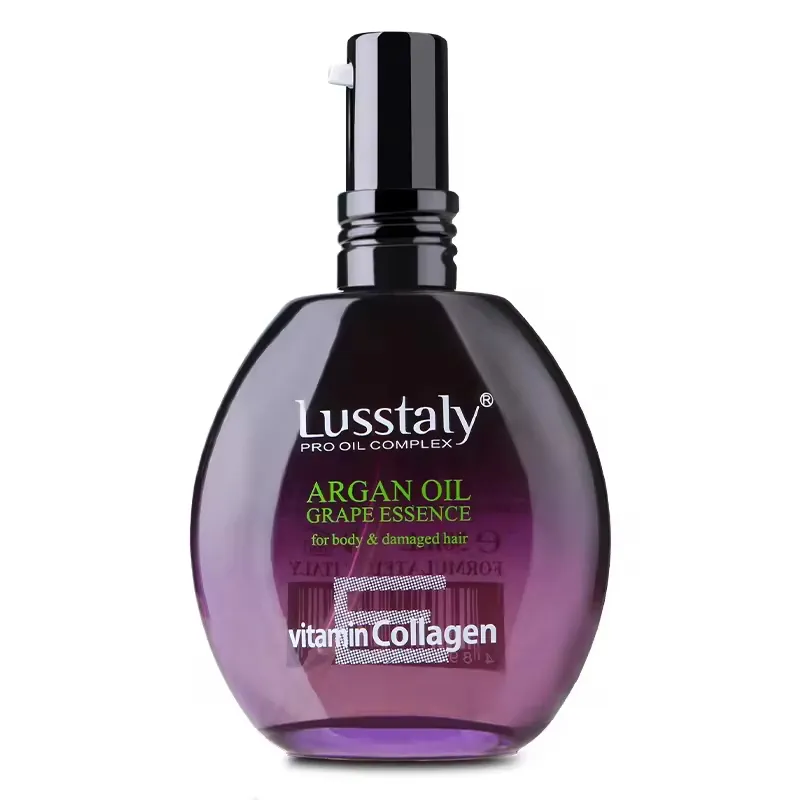
- Argan + collagen + vitamin E (anti-aging, repair)
- Argan + keratin smoothing blend (smoothing, anti-frizz)
- Essential oil blends (rosemary for growth, tea tree for scalp)
- Pre-shampoo oil treatments (coconut-argan base)
To see our bestseller bases, browse:
- Masaroni Free Sample Hair Oil — Moroccan argan, single-ingredient pure
- Delofil Hair Oil Manufacturer — argan + Moroccan blend
- Pallamina Collagen Argan Hair Oil 40ml — collagen-enriched premium
- Ecolchi Organic Argan Hair Growth Oil — strengthening + smoothing
- Ecolchi Private Label Moroccan Argan Oil — premium private label bestseller
For OEM/ODM details, see our OEM/ODM/OBM complete guide or request a free sample.

Frequently Asked Questions
What is a hair oil and how does it work?
A hair oil is a lipid-based treatment product applied to the hair shaft (and sometimes scalp) to add shine, control frizz, seal the cuticle, and protect from heat. Most hair oils are leave-in products applied in small amounts (2–5 drops) to damp or dry hair. They work by filling in gaps between cuticle cells, reducing friction, light scattering, and moisture loss.
How often should I use hair oil?
For most hair types, daily application of 2–3 drops to mid-lengths and ends is fine. For very dry or thick hair, you can apply 1–2x per day or use overnight treatments 1–2x per week. For fine or oily hair, every other day is plenty. Over-use causes greasy, limp hair.
What is the best hair oil for hair growth?
Based on current clinical evidence, the top three are: (1) Rosemary oil — 2023 SKINmed study showed comparable results to 2% minoxidil, (2) Castor oil — traditional use, may stimulate scalp circulation, (3) Argan oil — rich in vitamin E and antioxidants that protect follicles. For best results, use a high-quality pure oil or blend consistently for 3–6 months.
What is the difference between hair oil and hair serum?
Hair oil is typically a pure or blended natural oil (argan, coconut, jojoba) used for nourishment. Hair serum is usually a silicone-based product (cyclomethicone, dimethicone) used for smoothing, anti-frizz, and heat protection. Pure hair oils penetrate and nourish; serums coat the surface for instant smoothing. Many premium products combine both.
How much does private-label hair oil cost to manufacture?
Private-label hair oil pricing from Chinese manufacturers ranges from $0.80 to $4.50 per unit at MOQ 1,000–5,000 pieces, depending on oil grade, packaging, and customization. Pure argan oil is $2.50–$4.50/unit (premium Moroccan sourcing); blended treatment oils are $1.20–$2.50/unit; basic serums are $0.80–$1.50/unit. Ecolchi Group offers factory-direct pricing with 15–30 day lead time.
About the Author
Ecolchi Editorial Team — 21 years of hair care manufacturing expertise. ISO 22716 / GMP / FDA / CE certified factory in Guangzhou, China. 1.2M+ bottles/month capacity. 9 in-house brands: Karseell, Ecolchi, Pallamina, Lusstaly, Romacy, Navensi, Chinchy, Delofil, Hischer. Exporting to 130+ countries.
Last updated: 2026-09-04 · Reviewed by: Chinchy R&D Team (6 graduate engineers, 20+ new products per year)
Sources & References:
No MOQ commitment. Sample lead time 3–5 days. Response within 24 hours.