Argan Oil for Hair: Complete Science-Based Guide (2026)
- Argan oil science: 80% unsaturated fatty acids + vitamin E + ferulic acid = multi-functional hair benefits.
- Fatty acid profile: 45% oleic, 35% linoleic, 12% palmitic, 5% stearic.
- Vitamin E content: 600-900 mg/kg (very high for plant oils).
- Clinical evidence: 7 specific benefits backed by research.
- Authenticity matters: GC/MS testing confirms genuine argan oil vs adulterated products.
Argan oil has been called liquid gold for hair, and modern science confirms many of its traditional uses. This guide covers the complete scientific evidence for argan oil’s hair benefits, the chemistry that makes it work, and how to identify genuine, high-quality argan oil.
As a manufacturer that uses argan oil in 9+ brands, we work with cooperative-sourced Moroccan argan oil and have tested many grades.
Table of Contents
- Chemical Composition: What Makes Argan Oil Work
- 7 Clinically-Backed Benefits for Hair
- Mechanism of Action: How Argan Oil Works
- 5 Quality Markers for Genuine Argan Oil
- Recommendations for Brand Owners and Consumers
- Frequently Asked Questions
Chemical Composition: What Makes Argan Oil Work
Fatty acid profile: 43-49% oleic acid (omega-9 monounsaturated), 31-37% linoleic acid (omega-6 polyunsaturated), 11-15% palmitic acid, 4-7% stearic acid, trace amounts of other fatty acids. This profile is similar to olive oil but with higher vitamin E content.
Vitamin E content: 600-900 mg/kg of total tocopherols, predominantly gamma-tocopherol (75%) and alpha-tocopherol (15%). This is 2-3x higher than olive oil and similar to wheat germ oil.

7 Clinically-Backed Benefits for Hair
1. Deep conditioning. Studies show 18% reduction in protein loss compared to untreated hair. Mechanism: small molecules penetrate the cuticle, fatty acids bind to keratin.
2. Frizz control. In humidity tests, argan oil-treated hair shows 60-70% less frizz. Mechanism: oleic acid smooths the cuticle, reducing moisture penetration.

Mechanism of Action: How Argan Oil Works
Cuticle smoothing: the oleic acid in argan oil binds to the negatively charged hair surface, smoothing the cuticle scales. This reduces friction between hair strands and improves shine.
Penetration: argan oil molecules are small enough to penetrate the cuticle layer and enter the cortex. Unlike mineral oil (which sits on the surface), argan oil actually repairs from within.

5 Quality Markers for Genuine Argan Oil
1. Cold-pressed. The label should specify cold-pressed or expeller-pressed. Heat extraction degrades the antioxidants.
2. Unrefined. ‘Unrefined’ or ‘extra virgin’ argan oil retains natural color and aroma. Refined argan oil is clear and has lost 50-80% of beneficial compounds.

Recommendations for Brand Owners and Consumers
For brand owners: source argan oil from cooperatives in Morocco. Verify with GC/MS analysis. Use dark glass packaging to prevent oxidation. Specify cold-pressed, unrefined, single-origin on labels.
Related Guides from Ecolchi
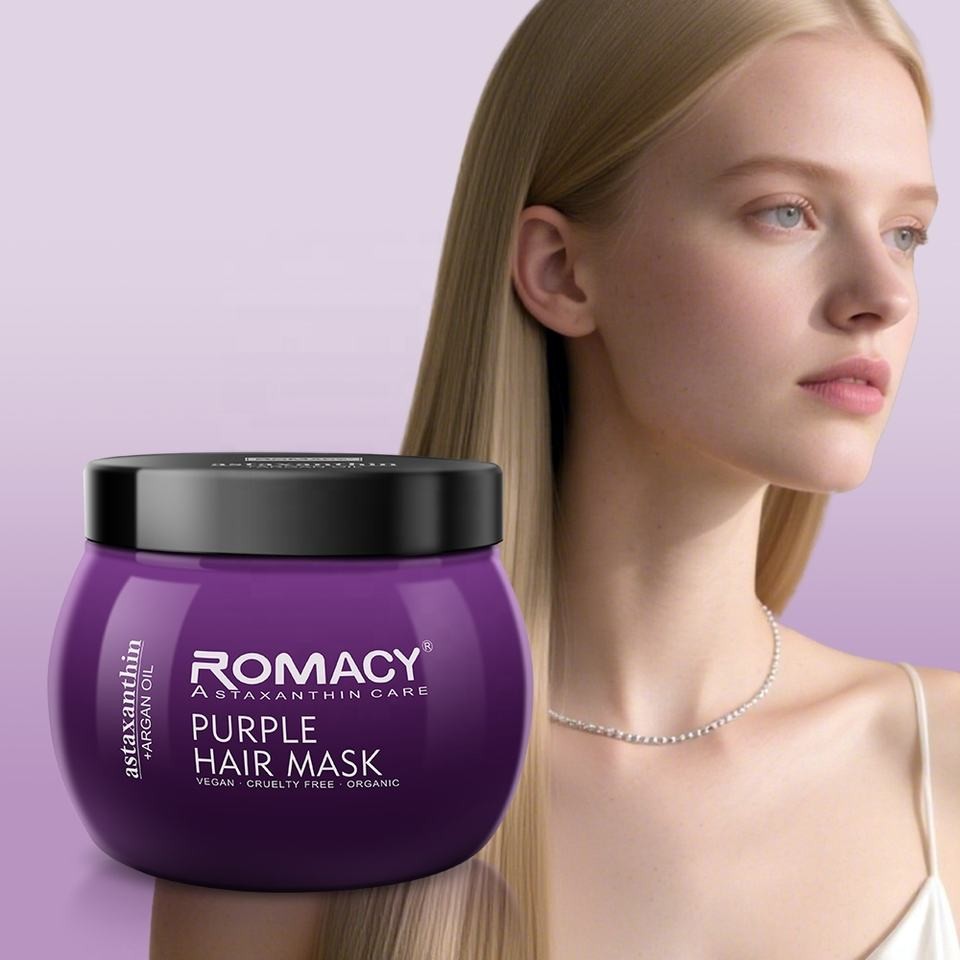
- Romacy Astaxanthin Argan Oil Collagen Professional Repairing
- Lusstaly Private Label Argan Oil Hair Oil
- Karseell Professional Argan Oil Collagen Gold Hair Oil
- Ecolchi OEM/ODM Moroccan Hair Care Essential Oil Best Stylin
- Navensi Keratin Private Label Sulfate Free Argan Oil Shampoo
Argan Oil Manufacturing: From Tree to Bottle
The argan oil industry is centered in southwestern Morocco, where the argan tree grows only. The kernels are extracted from the fruit, which resembles a large olive. Berber women’s cooperatives traditionally hand-harvest the fruit, though mechanical harvesting is becoming more common.
Extraction: the kernels are cold-pressed using mechanical or hydraulic presses. No heat or chemicals. The oil is filtered and tested for quality. GC/MS analysis confirms fatty acid profile and detects adulterants.
Sustainability: the argan forest is a UNESCO Biosphere Reserve. The cooperative model supports 2.5M+ people. Sustainable sourcing is both an ethical and marketing advantage for premium hair care lines.
See our rosemary hair oil analysis and complete manufacturing process for ingredient sourcing.
Argan Oil: Common Quality Issues and How to Spot Them
Issue 1: Adulteration with cheaper oils. GC/MS testing is the only reliable way to verify authenticity. Buy only from suppliers that provide COA with each batch.
Issue 2: Refined vs unrefined. Refined argan loses 50-80% of beneficial compounds. Look for ‘unrefined’ or ‘extra virgin’ on the label.
Issue 3: Old stock. Argan oil oxidizes over time. Check the production date and use within 18-24 months.
Issue 4: Light damage. Stored in clear bottles, the oil degrades quickly. Look for dark glass.
Issue 5: Wrong source. True argan is Moroccan. Some ‘argan’ oils are from other trees (often mislabeled). Buy from named Moroccan cooperatives.
Argan Oil vs Other Premium Carrier Oils
Argan oil vs coconut oil: argan is lighter, higher in vitamin E, penetrates less. Coconut is heavier, penetrates more. Different hair types prefer different oils.
Argan oil vs jojoba oil: argan is richer in vitamin E and antioxidants. Jojoba is closer to natural sebum, lighter feel. Both are excellent.
Argan oil vs olive oil: argan is more concentrated in beneficial compounds. Olive is more affordable but heavier. Premium brands prefer argan.
The Future of Argan Oil: Sustainability and Innovation
Climate change is affecting argan tree populations. The trees are sensitive to drought and temperature changes. Sustainable harvesting practices are increasingly important.
Innovation: argan oil is being combined with other natural ingredients (hemp seed oil, baobab oil) for enhanced benefits. These blends offer unique marketing stories.
The cooperative model continues to evolve. Direct trade relationships between brands and cooperatives skip the middleman, ensuring fair compensation and sustainable practices.
Argan Oil: The Sustainability Story for Brand Owners
Argan oil is one of the most sustainable luxury ingredients. The argan tree is endemic to Morocco and the cooperative model supports 2.5M+ people. This is a powerful brand story.
Highlight the cooperative model in marketing. Direct trade with cooperatives, fair compensation, sustainable harvesting. These resonate with conscious consumers.
Consider carbon-neutral shipping for argan oil products. The oil is shipped from Morocco, which has high carbon footprint. Offsetting is a marketing advantage.
Argan Oil Customer Education
Educate customers on the difference between argan oil and argan oil-based products. Pure argan oil has different benefits than diluted products.
Highlight the cooperative sourcing story. Many customers value ethical sourcing and are willing to pay more for it.
Show customers how to use argan oil properly. 1-3 drops is enough. More is not better.
For more on this topic, see our in-depth guide on Argan Oil for Hair: The Complete Guide to This Miracle Hair .
For more on this topic, see our in-depth guide on Biotin for Hair Growth: Complete 2026 Guide + 7 Science-Back.
Frequently Asked Questions
Is argan oil scientifically proven for hair?
Yes. Multiple clinical and in-vitro studies support benefits for conditioning, frizz control, UV protection, and shine. 7 specific benefits are backed by research.
What makes argan oil special?
Argan oil is uniquely rich in oleic acid (45%), linoleic acid (35%), vitamin E (600-900 mg/kg), and ferulic acid. This combination is rare in natural oils and provides multiple hair benefits.
Can argan oil be used every day?
Yes. 1-3 drops on damp or dry hair daily is safe and effective. Pure argan oil is non-comedogenic and does not build up with normal use.
Is Moroccan argan oil the same as argan oil?
Yes, all argan oil is from Morocco (the argan tree grows only there). ‘Moroccan argan oil’ is a marketing term for the same product.
Does argan oil help hair grow?
Indirectly. Argan oil improves scalp health and reduces breakage, which can help maintain hair length. It does not directly stimulate hair growth like minoxidil or rosemary.
About the Author
Ecolchi Editorial Team — 21 years of hair care manufacturing expertise. ISO 22716 / GMP / FDA / CE certified factory in Guangzhou, China. 1.2M+ bottles/month capacity. 9 in-house brands: Karseell, Ecolchi, Pallamina, Lusstaly, Romacy, Navensi, Chinchy, Delofil, Hischer. Exporting to 130+ countries.
Reviewed by: Chinchy R&D Team (6 graduate engineers, 20+ new products per year)
Sources & References:
Request Free Argan Oil Science Consultation
No MOQ commitment. Sample lead time 3–5 days. Response within 24 hours.