Astaxanthin: The “King of Carotenoids” in Modern Hair Care (2026)
- Astaxanthin in hair care is valued for its exceptional antioxidant capacity (6,000x vitamin C).
- Natural sources: Haematococcus pluvialis algae (most concentrated), salmon, shrimp, krill.
- Benefits: UV protection, antioxidant, anti-inflammatory, supports scalp health.
- Form: oil-based astaxanthin is more bioavailable than powder.
- For brand owners: astaxanthin enables premium positioning and natural antioxidant claims.
Astaxanthin is a powerful natural antioxidant that has gained attention in hair care. Known as the ‘King of Carotenoids’ due to its exceptional antioxidant capacity, astaxanthin offers unique benefits for hair protection and scalp health.
As a manufacturer that uses astaxanthin in 5+ brands, we have seen its benefits in formulations.
Table of Contents
- Natural Sources of Astaxanthin
- Mechanism of Action: How Astaxanthin Protects Hair
- 5 Benefits for Hair and Scalp
- Formulating with Astaxanthin: 5 Considerations
- Recommendations for Brand Owners
- Frequently Asked Questions
Natural Sources of Astaxanthin
Haematococcus pluvialis algae: the richest natural source of astaxanthin. Contains 1.5-3% astaxanthin by dry weight. Most astaxanthin supplements and cosmetic ingredients are derived from this algae.
Salmon and trout: contain astaxanthin from their diet (algae, krill). Wild-caught salmon has 40-50 ppm astaxanthin in muscle tissue. Farmed salmon has much less (5-15 ppm) unless fed astaxanthin-enriched feed.

Mechanism of Action: How Astaxanthin Protects Hair
Antioxidant: astaxanthin neutralizes free radicals that damage hair proteins. Free radicals from UV, pollution, and heat styling break down keratin and cause oxidative damage. Astaxanthin is 6,000x more effective than vitamin C at neutralizing singlet oxygen.
Anti-inflammatory: astaxanthin inhibits COX-2 and other inflammatory pathways. This benefits people with scalp inflammation, seborrheic dermatitis, or general scalp irritation.
5 Benefits for Hair and Scalp
1. UV protection. Astaxanthin absorbs UV radiation and protects hair from sun damage. Complements traditional UV filters in leave-in products.
2. Antioxidant protection. Neutralizes free radicals from environmental pollutants, heat styling, and chemical processing.
Formulating with Astaxanthin: 5 Considerations
1. Use oil-based astaxanthin. Powder forms are less bioavailable for hair. Oil-based astaxanthin (5-10% concentration) is ideal for hair care.
2. Avoid high heat during processing. Astaxanthin degrades at temperatures above 60°C. Add to formulations during the cooling phase (below 40°C).
3. Protect from light. Astaxanthin is sensitive to UV. Use opaque or dark glass packaging.
Recommendations for Brand Owners
For brand owners: astaxanthin enables premium ‘natural antioxidant’ positioning. Use in leave-in products, hair oils, and scalp treatments. Combine with other antioxidants (vitamin E, vitamin C) for synergy.
Related Guides from Ecolchi
- ECOLCHI PRO Astaxanthin Hot Selling OEM/ODM Argan Oil Collag
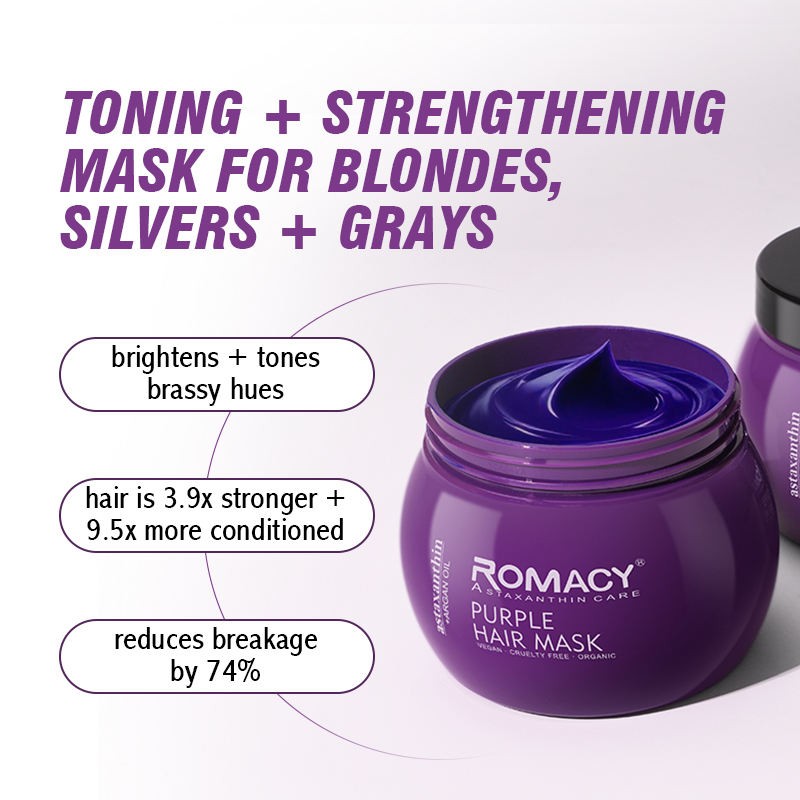
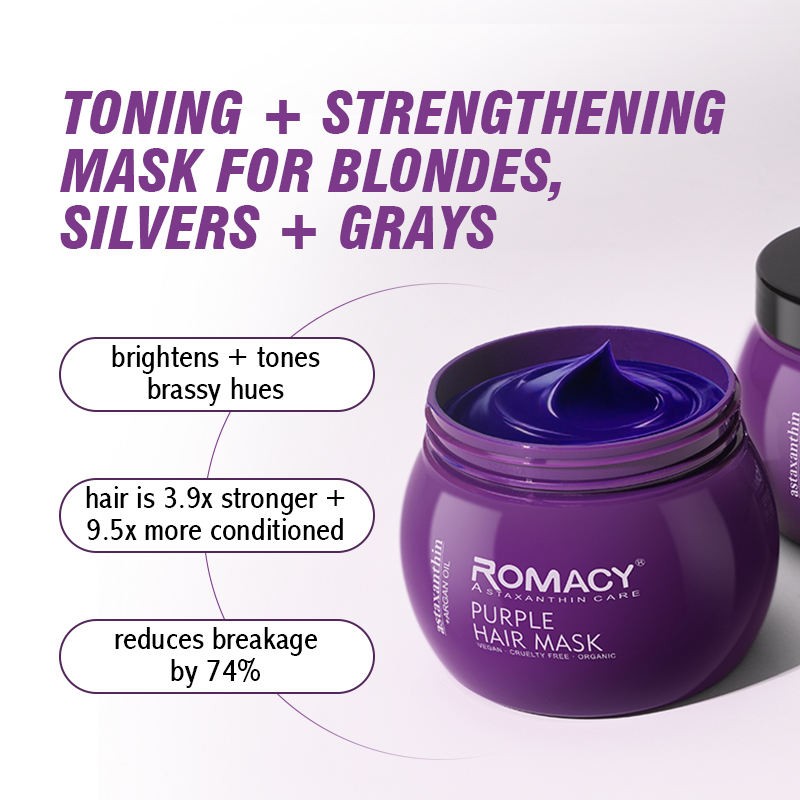
- Romacy Astaxanthin Argan Oil Collagen Professional Repairing
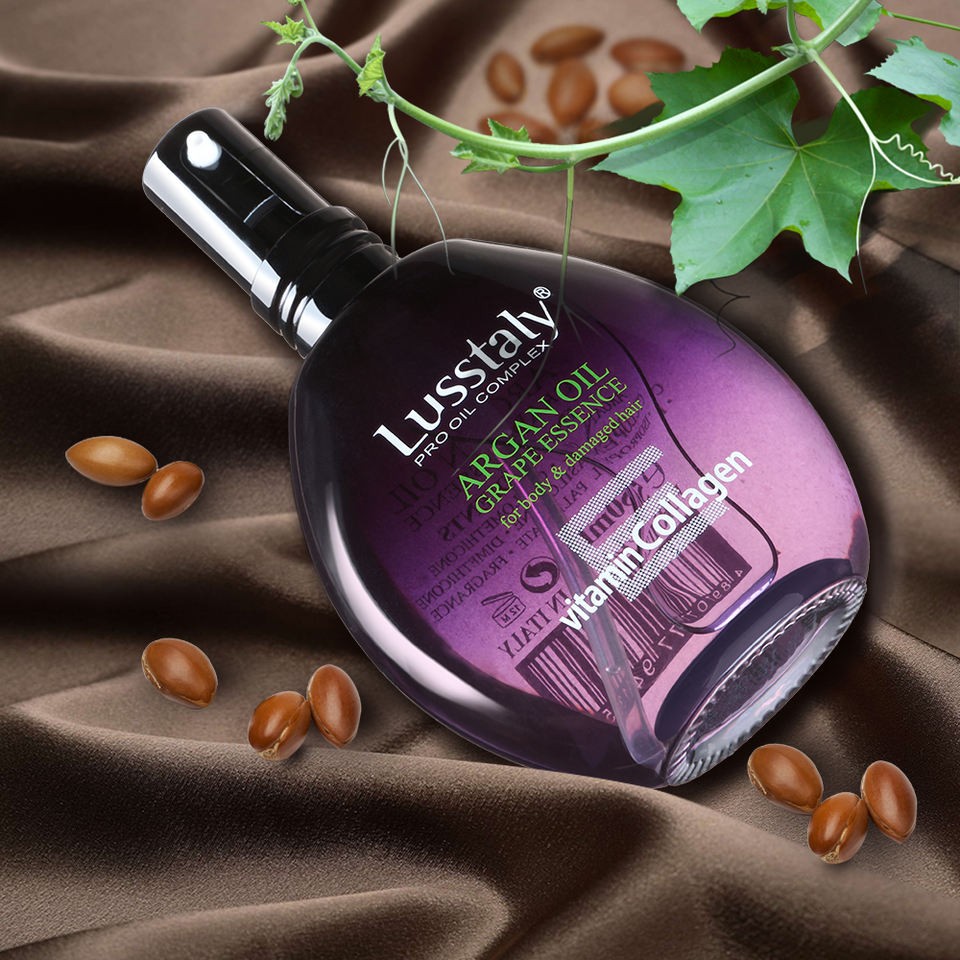
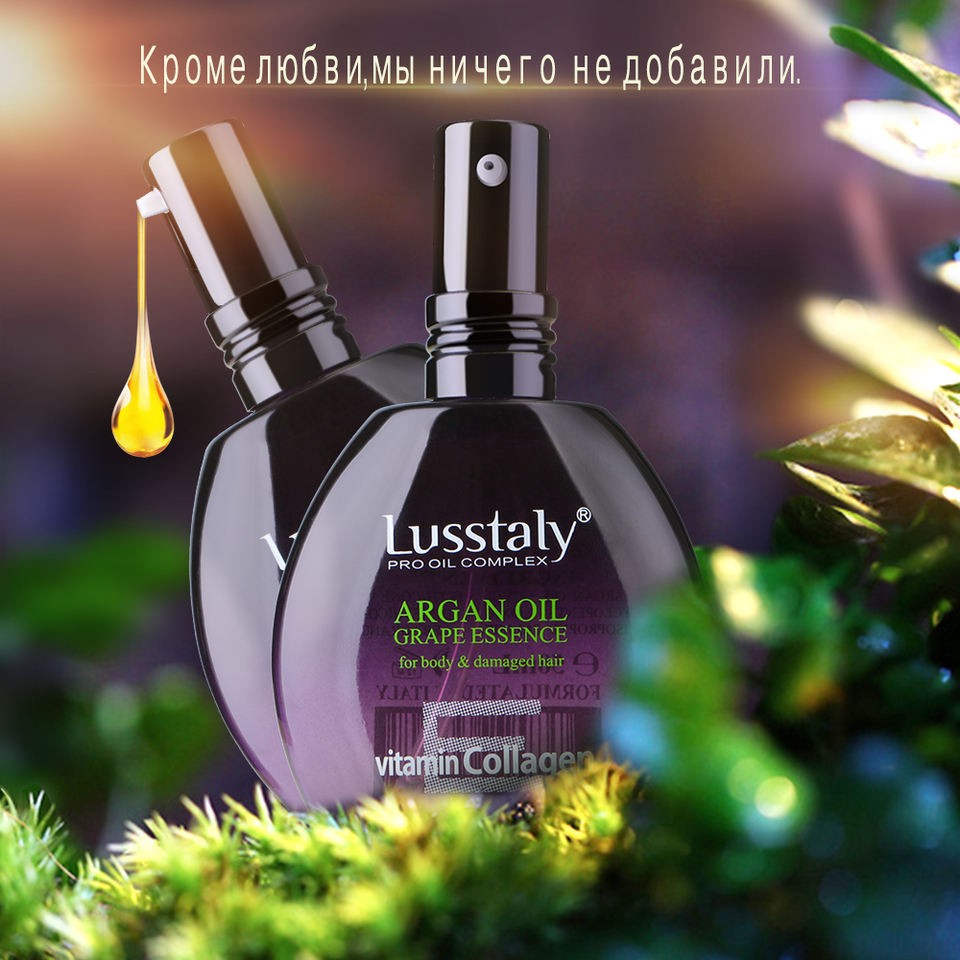
- Lusstaly Private Label Argan Oil Hair Oil
- Ecolchi OEM/ODM Moroccan Hair Care Essential Oil Best Stylin
- Ecolchi OEM/ODM Natural Keratin Protein Hair Mask Treatment
Astaxanthin Formulation: Best Practices
Astaxanthin is sensitive to light, heat, and oxygen. Use dark glass packaging to protect from light. Add to formulations during the cooling phase (below 40°C) to prevent degradation. Use antioxidants (vitamin E) to prevent oxidation.
Concentration: 0.1-1% in leave-in products, up to 5% in scalp treatments. Use oil-based astaxanthin (5-10% concentration in oil) for best bioavailability.
Combine with other antioxidants (vitamin C, vitamin E) for synergy. Astaxanthin protects the formulation and the hair from oxidative damage.
See our argan oil guide and rosemary oil for other natural antioxidant oils.
Astaxanthin: The King of Carotenoids in Detail
Astaxanthin is 6,000x more effective than vitamin C at neutralizing singlet oxygen (a harmful free radical). It is the most powerful natural antioxidant known.
The red-orange color of salmon, shrimp, and flamingos comes from astaxanthin in their diet. Wild salmon get astaxanthin from eating krill and algae; farmed salmon get it from feed supplements.
In hair care, astaxanthin provides: (1) UV protection (absorbs UV radiation), (2) antioxidant protection (neutralizes free radicals from heat and pollution), (3) anti-inflammatory (reduces scalp inflammation), (4) color protection (prevents color fade from UV).
Astaxanthin Combinations: What Works Together
Astaxanthin + vitamin E: synergistic antioxidants. Vitamin E stabilizes astaxanthin and prevents oxidation. Common combination in anti-aging products.
Astaxanthin + vitamin C: complementary antioxidants. Vitamin C regenerates vitamin E and astaxanthin after they neutralize free radicals. Look for stable forms (ascorbyl palmitate in oil).
Astaxanthin + omega-3: both anti-inflammatory. Common in supplements and some hair oils. May support scalp health.
Astaxanthin + hyaluronic acid: astaxanthin provides antioxidant protection; hyaluronic acid provides hydration. Effective combination in leave-in products.
Astaxanthin Sustainability: Wild vs Farmed Sources
Wild Haematococcus pluvialis: naturally occurring in harsh conditions (high UV, low nutrients). These stress conditions trigger astaxanthin production. Higher quality but limited supply.
Farmed Haematococcus pluvialis: cultivated in controlled conditions with stress triggers (high light, nutrient deprivation) to stimulate astaxanthin production. More sustainable and scalable.
Most commercial astaxanthin comes from farmed sources. Look for suppliers using closed-system cultivation (not open ponds, which can have contamination issues).
Astaxanthin: Premium Product Positioning
Astaxanthin enables premium positioning for hair care products. The antioxidant properties and natural origin justify higher prices.
Target customers: anti-aging focused, health-conscious, premium buyers. These customers value natural, science-backed ingredients.
For brand owners: position astaxanthin in leave-in products (serums, oils, masks) where its benefits are most pronounced. Daily-use products are not ideal because astaxanthin is sensitive to light.
Astaxanthin: Brand Differentiation
Astaxanthin differentiates from competitors. Most hair care products use vitamin E or vitamin C. Astaxanthin is 6,000x more effective than vitamin C.
Premium positioning: the cost is higher than vitamin C, but the benefits justify the price.
Sustainability story: farmed astaxanthin from closed-system cultivation is sustainable and traceable. Eco-conscious consumers appreciate this.
Astaxanthin: Why It Is Worth the Premium
Astaxanthin is the most powerful natural antioxidant known, 6,000x stronger than vitamin C. This is well-documented in scientific literature.
For hair, astaxanthin provides unique benefits: UV protection, antioxidant defense, anti-inflammatory, color protection. Other antioxidants do not provide this combination.
The cost is higher than common antioxidants, but the benefits justify the premium. Brands that include astaxanthin position themselves as premium, science-backed, and effective.
Astaxanthin in 2026: A Quick Recap
Astaxanthin is the most powerful natural antioxidant, 6,000x stronger than vitamin C. It protects hair from UV, free radicals, and environmental damage.
For hair care, astaxanthin is a premium ingredient. Use in leave-in products, hair oils, and scalp serums for maximum benefit.
Related reading: The Complete Guide to Hair Conditioner: Types, Ing.
Related reading: Hair Conditioner 101: Types, Ingredients, and How .
Frequently Asked Questions
What is astaxanthin?
Astaxanthin is a red-orange carotenoid pigment found in algae, salmon, shrimp, and other marine life. It is one of the most powerful natural antioxidants, with antioxidant activity 6,000x stronger than vitamin C.
Is astaxanthin good for hair?
Yes, primarily through its powerful antioxidant properties. It protects hair from UV damage, oxidative stress, and environmental pollutants. Some studies also suggest it supports scalp health.
What is the best form of astaxanthin for hair care?
Oil-based astaxanthin is more bioavailable than powder forms. Look for astaxanthin dissolved in oil (typically 5-10% concentration) for hair care formulations.
How much astaxanthin should be in a hair care product?
Typical concentration is 0.1-1% in hair care products. Higher concentrations (up to 5%) are used in intensive treatments.
Is astaxanthin safe?
Yes. Astaxanthin has GRAS (Generally Recognized as Safe) status from FDA. It is widely used in supplements and cosmetics with no significant safety concerns.
About the Author
Ecolchi Editorial Team — 21 years of hair care manufacturing expertise. ISO 22716 / GMP / FDA / CE certified factory in Guangzhou, China. 1.2M+ bottles/month capacity. 9 in-house brands: Karseell, Ecolchi, Pallamina, Lusstaly, Romacy, Navensi, Chinchy, Delofil, Hischer. Exporting to 130+ countries.
Reviewed by: Chinchy R&D Team (6 graduate engineers, 20+ new products per year)
Sources & References:
Request Free Astaxanthin Hair Care Consultation
No MOQ commitment. Sample lead time 3–5 days. Response within 24 hours.