How to Build a Profitable Hair Care Brand in 90 Days (2026 Roadmap)
- Building a profitable build hair care brand takes 60–90 days with $30K–$60K capital.
- Day 1–30 is planning; Day 31–60 is production; Day 61–90 is launch.
- Reserve 30–50% of capital for marketing.
- Ecolchi Group has helped 600+ brand owners launch in 130+ countries.
The hair care industry is one of the most accessible entry points into the $89.5B global beauty market. You don’t need a factory, a chemist, or a multi-million-dollar R&D budget. You need a clear niche, a reliable manufacturing partner, and a structured 90-day plan.
But here’s the catch: 60% of new hair care brands fail in year 1. The #1 reason isn’t a bad product — it’s running out of capital or marketing budget.
This guide is the playbook we’ve developed over 21 years and 600+ brand launches. It’s designed for first-time founders who want a realistic, week-by-week plan to launch a profitable brand in 90 days.
Table of Contents
- Phase 1 (Days 1–30): Strategy & Sampling
- Phase 2 (Days 31–60): Production & Branding
- Phase 3 (Days 61–90): Launch & First Sales
- Realistic 90-Day Budget
- 7 Mistakes That Kill New Hair Care Brands
- Frequently Asked Questions
Phase 1 (Days 1–30): Strategy & Sampling
The first 30 days are for laying foundation. Most brand owners underestimate this phase and rush to production, which leads to costly mistakes later. Build hair care brand success starts here.
Week 1 — Niche & business setup: Define your specific niche. Register a business entity (US: LLC; UK: Ltd; EU: GmbH). Apply for EIN/VAT. Set up banking + payment processing (Stripe, Shopify Payments).
Week 2–3 — Manufacturer research & sampling: Reach out to 3–5 manufacturers. Request samples. Test on 20–30 real users. Most samples arrive in 5–10 days.
Week 4 — Formula approval: Pick your formula. Approve the final sample. Sign manufacturer agreement. Order pre-production samples.
Phase 2 (Days 31–60): Production & Branding
This is the longest, most expensive phase. Most of your $30K–$60K capital is spent here.
Week 5–6 — Branding & packaging: Logo, color palette, typography. Packaging design — bottle, cap, label. Use the manufacturer’s standard packaging library to save 3–4 weeks of custom tooling.
Week 7–8 — Production run: Place the production order. For a new hair care brand, 3,000–5,000 units is the right size. Production lead time: 15–30 days. Add 15–35 days for shipping. Plan inventory arrival by day 70–80.
Cost calculation: 5,000 units at $1.80–$2.50 = $9,000–$12,500 product cost. Add $1,000–$2,000 shipping, $1,000–$3,000 duty. Total landed: $11,000–$17,500.
Phase 3 (Days 61–90): Launch & First Sales
Week 9–10 — Soft launch: Build an email waitlist of 500–1,000 emails. Send 20–50 free units to relevant influencers (micro-influencers, 5K–50K followers). Offer 20% off for pre-orders to validate demand.
Week 11–12 — Public launch: Email blast to waitlist. Social media announcement. Influencer reviews go live. If doing Amazon, set up FBA shipment at the same time. Start small paid ads ($20–$50/day).
Day 90 success metric: $5,000–$20,000 in first-month sales is realistic. Year 1 target: $100K–$500K for a focused first-time brand.
Realistic 90-Day Budget
The total $30K–$60K capital requirement breaks down as:
| Category | Low | Mid | High |
|---|---|---|---|
| Product (3,000–5,000 units) | $6,000 | $9,000 | $15,000 |
| Packaging & design | $500 | $1,500 | $3,000 |
| Compliance | $500 | $1,500 | $4,000 |
| Shipping & duty | $1,000 | $2,000 | $4,000 |
| Website & e-commerce | $200 | $500 | $2,000 |
| Marketing (6 months) | $5,000 | $15,000 | $30,000 |
| Misc (legal, accounting) | $500 | $1,000 | $2,000 |
| Total | $13,700 | $30,500 | $60,000 |
7 Mistakes That Kill New Hair Care Brands
Most failed hair care brands make the same handful of mistakes. Avoid these and you’re ahead of 80% of new entrants.
- No marketing budget. The #1 reason new brands fail. Reserve 30–50% of capital for marketing.
- Picking the cheapest manufacturer. Visit the factory. Check ISO 22716.
- Skipping sampling. Test 20–30 real users before approving.
- Underestimating lead time. Production + shipping + customs = 30–60 days.
- Targeting too broad a niche. Be specific.
- Ignoring compliance. FDA MoCRA, EU CPNP required.
- No contingency inventory. Running out mid-launch kills momentum.
Related Guides from Ecolchi
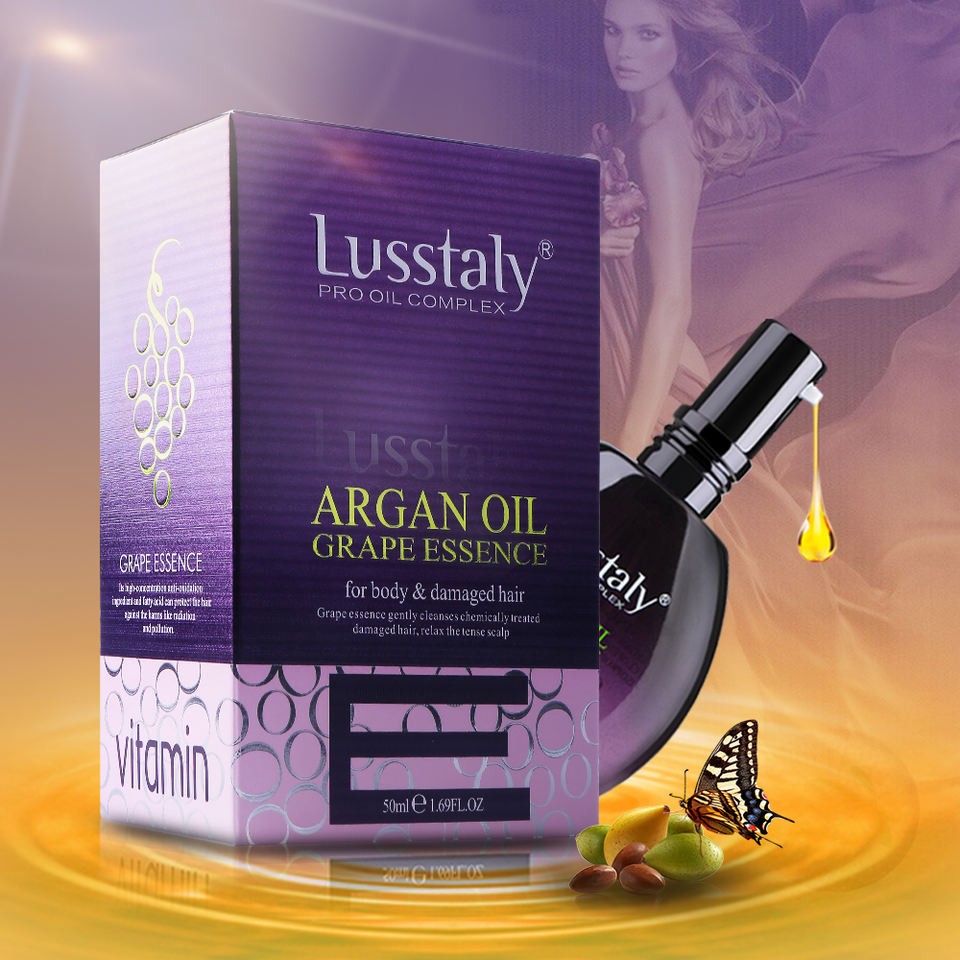
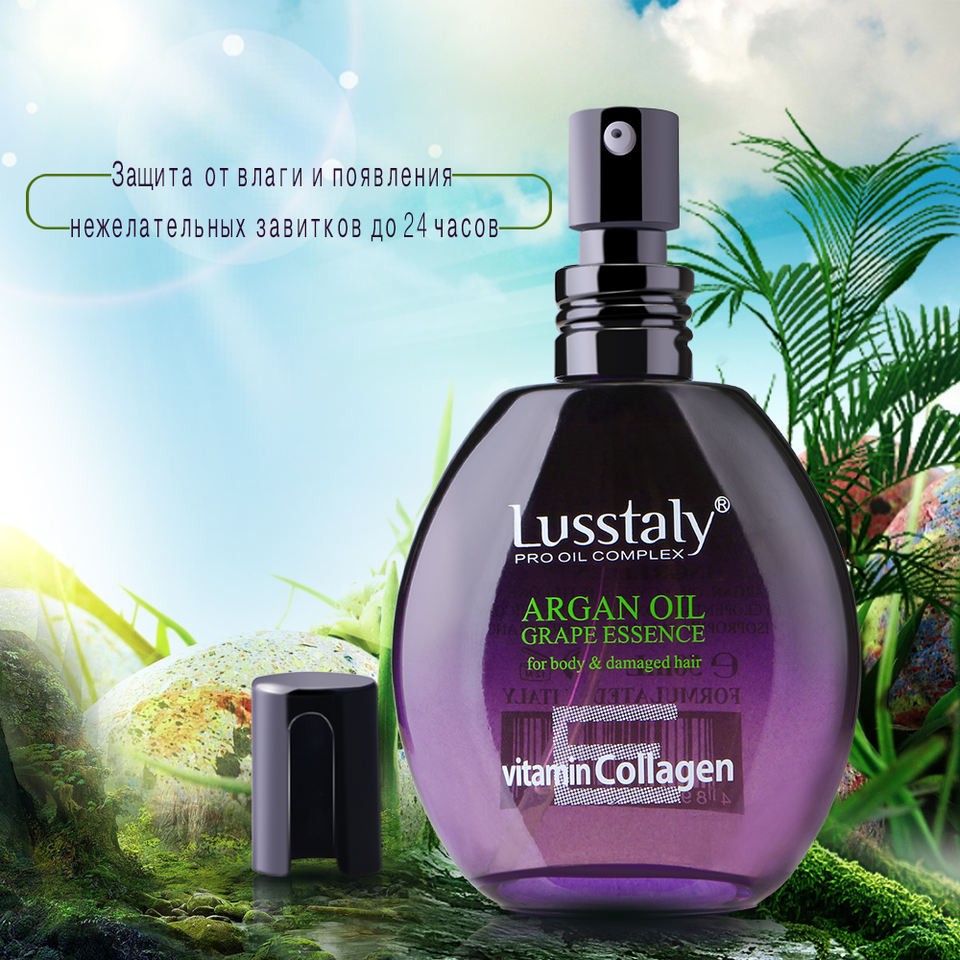
- Lusstaly Moisturizing Repair Shampoo
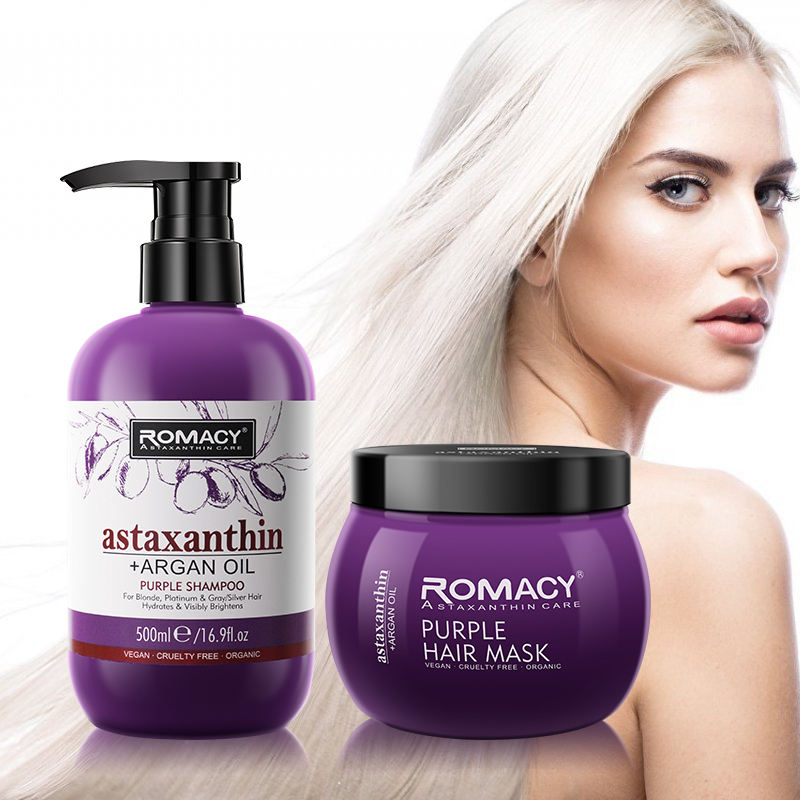
- Romacy Salon Purple Shampoo
- Ecolchi OEM Paraben-Free Collagen Shampoo
- Ecolchi OEM Keratin Hair Conditioner
- Ecolchi Private Label Moroccan Argan Oil
Industry Data: Why 2026 Is the Right Time to Build a Hair Care Brand
The global hair care market reached $89.5 billion in 2025 and is projected to grow at 5.8% CAGR through 2030. This growth is driven by three forces: (1) clean beauty consumers willing to pay 25% premium for transparency, (2) social media virality making brand launches faster and cheaper, and (3) post-pandemic return-to-office creating renewed demand for styling products.
Within this $89.5B market, the indie brand segment has grown 18% year-over-year, more than 3x the overall industry rate. Founders building hair care brands in 2026 are entering a market with strong tailwinds, abundant manufacturing capacity (China, Korea, India, and increasingly Eastern Europe), and lower customer acquisition costs than any prior decade.
Ecolchi Group has supported over 600 brand launches across 130+ countries since 2005. The most successful launches follow a pattern: tight niche focus, validated formula, adequate marketing budget, and patient execution over 90 days rather than rushed 30-day timelines.
Case Study: A 5,000-Unit Launch in 60 Days
A US-based first-time founder came to Ecolchi in early 2025 with a $40K budget and a 60-day timeline for an Amazon FBA launch. We helped them pick a keratin shampoo from our ODM library, customize the label, and ship via DDP. Total breakdown: $9,400 product (5,000 units), $2,800 packaging, $1,400 shipping/duty (DDP), $4,000 Amazon FBA inbound, $2,500 listing optimization, $19,900 marketing budget. Day 60: 412 units sold, 4.2 stars, $8,240 revenue.
By month 6, the brand reached $32K/month run rate. Year 1 revenue: $310K. The founder’s marketing ratio stayed at 30-35% of revenue, which is the industry benchmark for sustainable indie brand growth.
Key lessons from this case: (1) starting with ODM (not OEM) cut 6 weeks off the timeline, (2) DDP logistics eliminated 3 customs headaches, (3) Amazon FBA worked better than DTC for a first-time founder, and (4) the 30% marketing budget ratio was non-negotiable.
For more sourcing context, see our complete guide to importing hair care from China and our breakdown of private label hair care economics.
Frequently Asked Questions
How much does it cost to start a hair care brand?
Minimum realistic budget: $20K–$30K all-in for a 5,000-unit launch. Add $10K–$30K for first 6 months of marketing. Total: $30K–$60K.
Can I start a hair care brand with no experience?
Yes — 60% of our brand owners are first-time entrepreneurs. Use an experienced manufacturer and follow a structured 90-day plan.
How long does it take to launch a hair care brand?
60–90 days for ODM, 90–120 days for full OEM.
What is the best channel to launch a hair care brand?
Under $30K: Amazon FBA or single-channel DTC. $30K–$100K: multi-channel. $100K+: omnichannel.
How do I differentiate my hair care brand in a crowded market?
Target an underserved niche, develop a unique selling proposition, deliver exceptional branding and customer experience.
About the Author
Ecolchi Editorial Team — 21 years of hair care manufacturing expertise. ISO 22716 / GMP / FDA / CE certified factory in Guangzhou, China. 1.2M+ bottles/month capacity. 9 in-house brands: Karseell, Ecolchi, Pallamina, Lusstaly, Romacy, Navensi, Chinchy, Delofil, Hischer. Exporting to 130+ countries.
Reviewed by: Chinchy R&D Team (6 graduate engineers, 20+ new products per year)
Sources & References:
Request Free Build Hair Care Brand Consultation
No MOQ commitment. Sample lead time 3–5 days. Response within 24 hours.