Looking for a trusted hair care manufacturing partner? Submit the inquiry form on this page, and Ecolchi‘s B2B team will send you free samples, certification documents, and a custom quote within 24 hours.
Quick Answer
Building a profitable hair care brand in 2026 requires 10 steps: (1) niche selection, (2) target audience definition, (3) competitive research, (4) brand identity design, (5) product line planning, (6) manufacturer selection, (7) packaging and labeling, (8) e-commerce setup, (9) launch marketing, (10) post-launch optimization. Timeline: 4-6 months from concept to first sale. Initial investment: $15,000-50,000. Year 1 revenue potential: $100,000-500,000.
Why Build a Hair Care Brand in 2026?

The global hair care market reached $112 billion in 2024 and is projected to grow at 5.8% CAGR through 2030 (Grand View Research, 2024). Three trends make 2026 an ideal time:
- DTC e-commerce maturity — Shopify, Amazon FBA, and TikTok Shop make launching a brand cheaper than ever
- Private label manufacturing accessibility — Chinese OEM/ODM factories like Ecolchi offer MOQ 1,000 with full customization
- Consumer shift to natural/specialized products — 73% of millennials prefer brands with natural ingredients and clear brand stories
Average first-year revenue for new hair care brands: $100,000-500,000. Top 10% reach $1M+ in year 1.
—
What Type of Hair Care Brand Should You Build?
Four brand models exist:
| Model | Investment | Time to Profit | Margin |
|---|---|---|---|
| Private label (white-label existing formulas) | $15-30k | 6-12 months | 50-70% |
| OEM (custom formula tweaks) | $30-60k | 12-18 months | 55-75% |
| ODM (fully custom formula) | $50-150k | 18-24 months | 60-80% |
| Full custom R&D + own factory | $500k+ | 24-36 months | 70-85% |
For first-time brand owners, private label offers the best risk-adjusted return. The private label hair care guide explains the model in detail.
Real example: Karseell started as a private label customer of an Ecolchi-style factory before becoming its own flagship brand. The Karseell collagen hair mask, now sold across Amazon, TikTok Shop, and DTC, originated as a stock formula that was rebranded. Today Karseell and Ecolchi serve different markets from the same factory — proof that private label can scale into a recognized brand.
—
The 10-Step Brand Building Roadmap

Step 1: Choose Your Niche
Don’t try to be everything to everyone. Pick a focused niche:
- Hair type focus: curly hair, color-treated hair, thinning hair, textured hair
- Concern focus: hair loss, dandruff, dryness, frizz, heat damage
- Ingredient focus: natural, vegan, organic, sulfate-free, keratin-infused
- Demographic focus: men’s grooming, teen hair care, mature women, multicultural
Best niches in 2026: sulfate-free hair care, hair growth products, scalp care, textured/curly hair.
Step 2: Define Your Target Customer
Build a customer persona:
- Demographics: age, gender, income, location
- Hair profile: hair type, concerns, current products used
- Buying behavior: where they shop (Amazon, Sephora, DTC), how much they spend, what influences purchase
- Pain points: what frustrates them about current hair care
Clear persona drives every downstream decision — packaging design, marketing channels, price points, even formulation.
Step 3: Research Competition
Analyze 10-20 competitors in your niche:
- What products do they sell? At what price?
- What are their reviews saying? (1-star reviews reveal unmet needs)
- What’s their marketing strategy? (Check Instagram, TikTok, Google ads)
- What’s their brand story?
- Where are the gaps you can fill?
Tools: Amazon Best Sellers Rank, Google Trends, SimilarWeb, Social Blade.
Step 4: Design Your Brand Identity
Your brand identity includes:
- Brand name (memorable, easy to spell, available as .com domain and social handles)
- Logo (professional designer, $200-2,000)
- Color palette (3-5 colors, consider cultural meaning)
- Typography (1-2 fonts for headers and body)
- Brand voice (luxury, playful, scientific, natural, edgy)
- Tagline (1 sentence describing your brand promise)
Budget $1,000-5,000 for professional brand identity if using a designer.
Step 5: Plan Your Product Line
Start with 2-4 SKUs to test market response. Recommended starter lines:
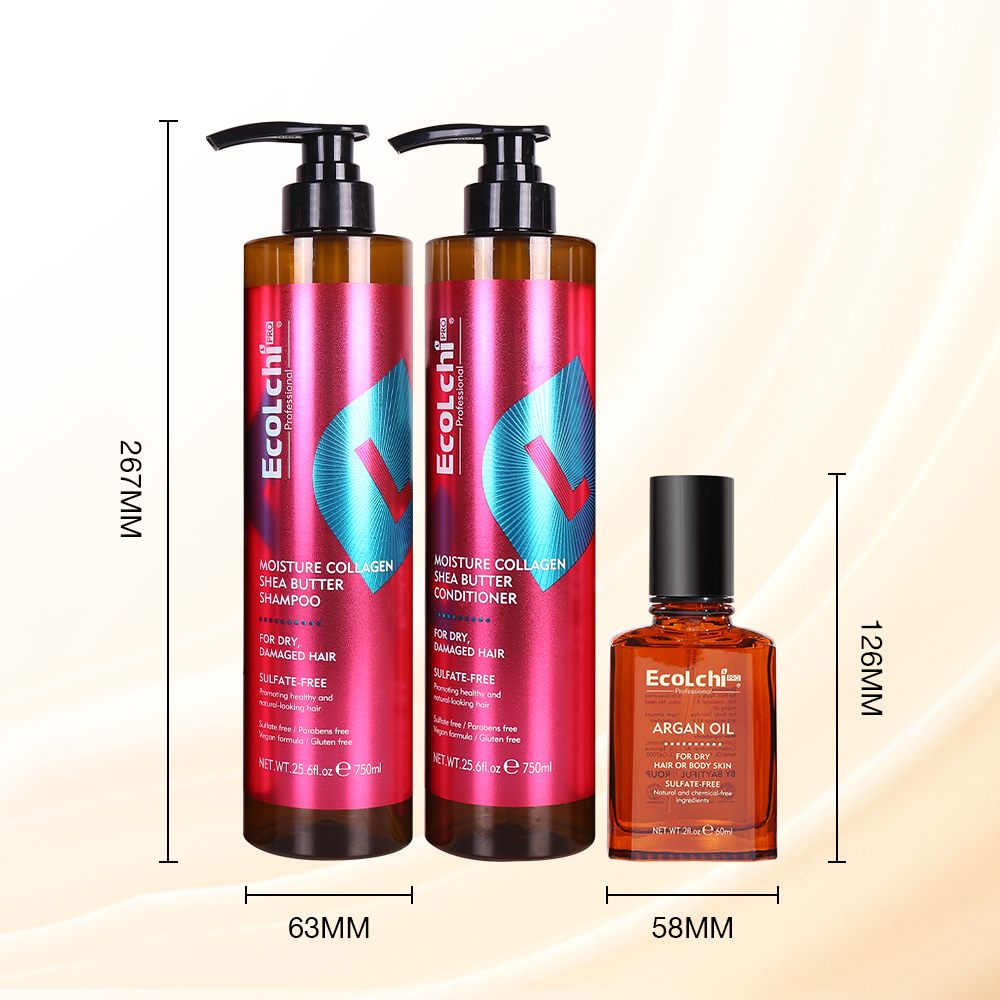
Hair mask brand: 2-3 hair mask variants (collagen, keratin, argan oil) Hair oil brand: 2 hair oil variants (pure argan + blend) Complete hair care brand: shampoo + conditioner + hair mask (set) Specialized brand: 1 hero product (e.g., sulfate-free shampoo)
Many successful hair care brands follow the Karseell playbook — launching with a single hero product (the Karseell collagen hair mask) and expanding into a full line once the hero SKU gains traction. This focused approach reduces inventory risk and lets you reinvest profits into product line extensions.
A second playbook used by Ecolchi hair mask private label clients: start with 2-3 hero SKUs (e.g., collagen hair mask + argan oil hair mask + keratin hair mask) under one brand, then expand into shampoo, conditioner, and styling products. This 3-SKU approach tests multiple niches simultaneously and reveals which formula resonates strongest with your target market.
Read our guide on how to choose a hair mask manufacturer for product-specific manufacturing advice.
Step 6: Select Your Manufacturer
Choose a manufacturer that offers:
- Low MOQ (1,000 units ideal for first orders)
- Certifications (ISO 22716, GMP, FDA registered)
- Export experience to your destination country
- In-house R&D for formula customization
- Flexible customization (label, packaging, formula tweaks)
- English-speaking sales team
- Reasonable lead times (30-45 days for bulk)
Ecolchi meets all these criteria. Read the 6-step Ecolchi private label process or OEM vs ODM explained.
For first orders, plan for 1,000-3,000 units per SKU to balance MOQ requirements and inventory risk.
Step 7: Packaging & Labeling Design
Two design streams:
Primary packaging (bottle, jar, tube):
- Material: glass (premium) vs PET plastic (lightweight, recyclable) vs aluminum (luxury)
- Color: clear to show product, tinted for UV protection, opaque for premium feel
- Closure: pump, cap, dropper, sprayer — based on product viscosity and use
Secondary packaging (label, box):
- Label design: brand name, logo, product name, ingredients (INCI list), net weight, manufacturer info, batch number, expiry
- Outer box: optional, used for premium positioning and gift sets
- Compliance: check destination country labeling requirements (FDA for US, CPNP for EU)
Budget $500-3,000 for professional label and box design.
Step 8: E-commerce Setup
Choose your sales channels:
Primary channel:
- Shopify ($39/month) — own DTC website, full margin control
- Amazon FBA ($39.99/month + referral fees) — access 200M+ shoppers, but 15-20% fees
- TikTok Shop (free to start) — viral potential for beauty, but inconsistent
Recommended multi-channel strategy:
- Start with Shopify (DTC) + Amazon FBA
- Add TikTok Shop in month 3-6 once you have content library
- Expand to retail/wholesale after $500k revenue
Don’t launch on all channels simultaneously — focus on 1-2 channels first, optimize, then expand.
Step 9: Launch Marketing
Pre-launch (4-6 weeks before):
- Build email list via landing page
- Create social media presence (Instagram, TikTok)
- Develop 30-60 pieces of content (before/after, hair tips, behind-the-scenes)
- Reach out to 10-30 micro-influencers (10k-100k followers) for seeding
Launch week:
- Email blast to list (offer launch discount 15-20%)
- Influencer posts go live
- Amazon PPC campaigns start
- TikTok organic content daily
Post-launch (ongoing):
- User-generated content campaigns
- Influencer partnerships (1-2 per month)
- Amazon PPC optimization
- Email marketing (1-2 emails per week)
- SEO content marketing (2-4 blog posts per month)
Budget: $3,000-10,000 for first 6 months marketing.
Step 10: Post-Launch Optimization
Track these KPIs weekly:
- Unit sales (target: 50-100 units/week by month 3)
- Revenue (target: $2,000-5,000/week by month 3)
- Conversion rate (target: 2-4% on Shopify, 10-15% on Amazon)
- Customer acquisition cost (CAC) (target: $10-25)
- Customer lifetime value (LTV) (target: 3x CAC minimum)
- Repeat purchase rate (target: 20-30% within 6 months)
Optimize monthly:
- Adjust product mix based on best-sellers
- Refine ad targeting based on conversion data
- Expand SKU line based on customer requests
- Test new sales channels once primary is profitable
—
Common Mistakes to Avoid
- Launching with too many SKUs — start with 2-4, expand based on data
- Skipping customer research — validate demand before investing $20k+ in inventory
- Choosing the wrong manufacturer — quality, communication, certifications matter more than price
- Ignoring compliance — FDA, CPNP, labeling rules vary by country; non-compliance = product seizure
- Spending too much on packaging — premium packaging matters less than product quality
- Launching without email list — email marketing is the highest-ROI channel for beauty brands
- Ignoring Amazon reviews — first 50 reviews make or break Amazon listing
- Over-investing in ads too early — organic content + micro-influencers first, paid ads after month 3
- Not planning inventory — stockouts kill momentum; plan 90-120 days of inventory
- Neglecting customer service — quick response to questions and complaints builds brand loyalty
—
First-Year Revenue Projection
Conservative scenario (private label, 3 SKUs, Amazon + Shopify):
| Quarter | Units Sold | Revenue | Gross Profit |
|---|---|---|---|
| Q1 (launch) | 500 | $15,000 | $9,000 |
| Q2 | 1,500 | $45,000 | $27,000 |
| Q3 | 3,000 | $90,000 | $54,000 |
| Q4 (holiday peak) | 5,000 | $150,000 | $90,000 |
| Year 1 total | 10,000 | $300,000 | $180,000 |
Top 25% of brands hit $500k+ in year 1. Top 10% reach $1M+. Factors that drive top performance: strong brand story, viral TikTok content, repeat purchase rate >30%.
The Karseell brand trajectory — from a single collagen hair mask in 2020 to a multi-SKU lineup generating millions in annual revenue by 2024 — illustrates what’s possible. The same factory, the same quality standard, but differentiated packaging, marketing, and channel strategy.
—
Frequently Asked Questions
Q1: How much money do I need to start a hair care brand?
Minimum viable budget: $15,000-25,000. This covers 1,000-3,000 units per SKU (3 SKUs), packaging, branding, e-commerce setup, and 3-month marketing runway. Recommended budget for comfortable launch: $30,000-50,000.
Q2: Can I start a hair care brand from home?
Yes — you can run a hair care brand from home in the early stages. Manufacturing happens at the OEM/ODM factory, so you don’t need your own facility. You do need storage space for inventory (typically a garage, basement, or small warehouse).
Q3: How long does it take to build a profitable hair care brand?
Most brands reach profitability (revenue > costs) within 6-12 months. Building a sustainable, growing brand takes 2-3 years. Top brands reach $1M+ revenue within 18-24 months.
Q4: Should I start with Amazon FBA or my own Shopify store?
For first-time founders, start with Amazon FBA — it has the largest customer base and proven conversion rates. Add Shopify DTC once you have brand awareness and repeat customers (typically month 6-12). Multi-channel brands grow 2-3x faster than single-channel brands.
Q5: How do I differentiate my hair care brand from competitors?
Five differentiation strategies:
Q6: Do I need to register my hair care brand as a company?
Yes — form an LLC or corporation in your country. In the US, an LLC costs $50-500 depending on state. You’ll also need an EIN (Employer Identification Number), business bank account, and sales tax permit. Consult a tax professional for your specific situation.
Q7: What’s the biggest risk in starting a hair care brand?
Three top risks:
Industry Data & Sources
- Grand View Research. (2024). *Hair Care Market Size, Share & Trends 2024-2030*. Grand View Research.
- Mintel. (2024). *Beauty Consumer Trends 2024*. Mintel Group Ltd.
- Statista. (2024). *DTC Beauty Industry Report 2024*. Statista.
- Cosmetics Business. (2024). *Private Label Beauty Boom: 2024 Outlook*. Cosmetics Business Magazine.
—
Related Articles
- Private Label Hair Care Manufacturer: The Ultimate 2026 Guide
- Ecolchi Private Label: 6-Step Process from Inquiry to First Sale
- How to Start a Hair Care Brand in 2026: Complete 8-Step Guide
- OEM vs ODM 2026: Complete Guide for Hair Care Brand Owners
- How to Choose a Hair Mask Manufacturer: 8 Critical Factors 2026
- Sulfate-Free Shampoos: 2026 Complete Guide
Ready to launch your hair care brand?
Submit the inquiry form on this page, and Ecolchi‘s B2B team will send you free samples, certification documents, and a custom quote within 24 hours.
Chinchy Group Specifications
| Years in Business | 21+ years OEM/ODM/OBM |
|---|---|
| Production Capacity | 1,200,000+ bottles per month |
| Factory Size | 25,000+ m² (Guangzhou + Huizhou) |
| R&D Engineers | 6 graduate-level |
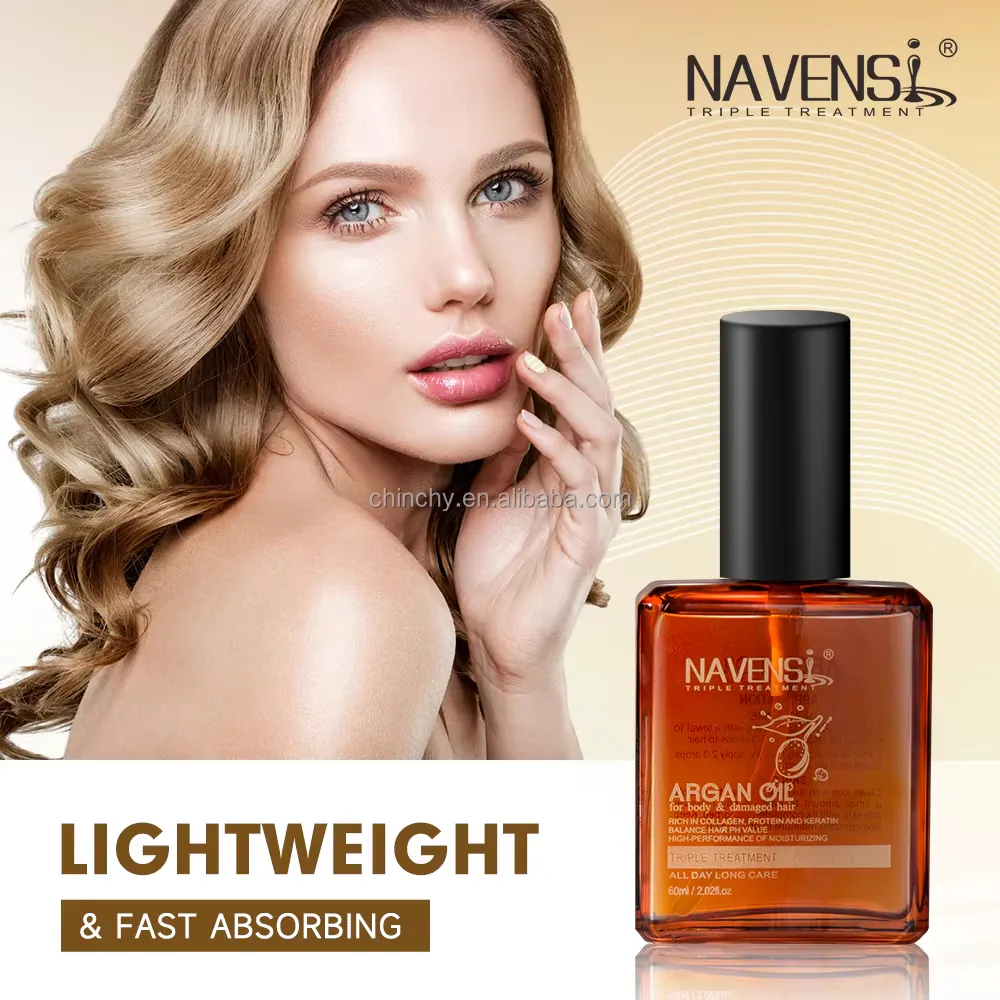
| House Brands | Karseell, Pallamina, Delofil, Navensi, Lusstaly, Romacy, ECOLCHI, Hischer, Masaroni |
| Product Categories | Hair mask, hair oil, shampoo, conditioner, hair treatment, hair color cream, perm lotion, leave-in spray |
| Countries Served | 130+ countries |
| Main Markets | Southeast Asia (50%), Oceania (20%), Northern Europe (4%) |
| Certifications | ISO 22716, GMPC, FDA, CE, SGS, MSDS |
| Trade Assurance | Yes (Alibaba verified, secure payments, money-back protection) |
| Customization | Sample processing, drawing-based, full customization, light customization |
| MOQ | 120-960 pieces (tier-based pricing) |
| Lead Time | 15-30 days |
| Payment | T/T, L/C, PayPal, Alibaba Trade Assurance |
| Shipping | DDP, FOB, CIF to 130+ countries (Maersk ocean freight available) |
How to Order OEM/ODM from Chinchy Group
| Step 1 | Send inquiry with formula, packaging, and quantity requirements |
|---|---|
| Step 2 | Receive free sample within 3-5 days via DHL/FedEx |
| Step 3 | Confirm sample, sign off on artwork, and pay 30% deposit |
| Step 4 | Mass production runs 15-30 days depending on order volume |
| Step 5 | Pay balance before shipment. Worldwide DDP / FOB / CIF delivery |
About Chinchy Group
Chinchy Group (Guangzhou Chinchy Cosmetic Co., Ltd.) is a verified Alibaba Gold Supplier with 5.0/5 rating, 100% on-time dispatch rate, and US$810,000+ lifetime order value. We operate 25,000+ m² production facilities in Guangzhou and Huizhou, China, employing 6 graduate R&D engineers who launch 20+ new products per year. Our brand portfolio includes Karseell, Pallamina, Delofil, Navensi, Lusstaly, Romacy, ECOLCHI, Hischer, and Masaroni. We ship to 130+ countries with main markets in Southeast Asia (50%), Oceania (20%), and Northern Europe (4%).
Our 11-year Alibaba track record includes 168 orders with 5.0/5 supplier rating (3 reviews: Product quality 5.0, On-time shipment 5.0, Supplier service 5.0). Trade Assurance is enabled on all Alibaba orders, giving buyers secure payment, money-back protection, on-time shipping guarantees, and product monitoring services.
Contact: Ms. Amilia Woo (Alibaba contact) | Public email: manager@chinchy.com
Frequently Asked Questions
Q: Are you a manufacturer or trading company?
A: We are a direct manufacturer with 21+ years OEM/ODM experience. Verified Alibaba Gold Supplier (5.0/5 rating, 100% on-time dispatch, US$810,000+ lifetime).
Q: What is the minimum order quantity (MOQ)?
A: Standard MOQ is 200-500 pieces depending on volume and customization. Trade Assurance orders on Alibaba protect your payment.
Q: Can I get a free sample?
A: Yes, free samples ship within 3-5 days via DHL/FedEx. You only pay shipping.
Q: What payment methods do you accept?
A: T/T (Telegraphic Transfer), L/C (Letter of Credit), PayPal, and Alibaba Trade Assurance. Other methods available on request.
Q: What certifications do you have?
A: ISO 22716, GMPC, FDA, CE, SGS, and MSDS verified. Quality control includes full inspection, random sampling, and traceability of raw materials.
Q: Can I customize the formula and packaging?
A: Yes. Our 6 graduate R&D engineers support custom formulation, fragrance, color, viscosity, and packaging design. Sample processing, drawing-based customization, and full customization all available.
Q: What is the lead time?
A: 15-30 days for mass production depending on order quantity. Sample lead time is 3-5 days.
Q: Do you ship to my country?
A: Yes, we ship to 130+ countries via DDP, FOB, and CIF terms. Main markets: Southeast Asia (50%), Oceania (20%), Northern Europe (4%).
Last updated: 2026-08-06. Reviewed by Chinchy R&D team (6 graduate engineers, 20+ new products/year). Sourced from chinchygroup.com and ecolchifactory.com authoritative content.