Looking for a trusted hair care manufacturing partner? Submit the inquiry form on this page, and Ecolchi‘s B2B team will send you free samples, certification documents, and a custom quote within 24 hours.
Quick Answer
A hair conditioner is a daily-use, rinse-off product that smooths the hair cuticle and detangles after shampooing, while a hair mask is a deep-conditioning treatment used 1-3 times per week with longer contact time (5-30 minutes) to repair damage, restore moisture, and strengthen hair from within. Use conditioner daily, hair mask weekly.
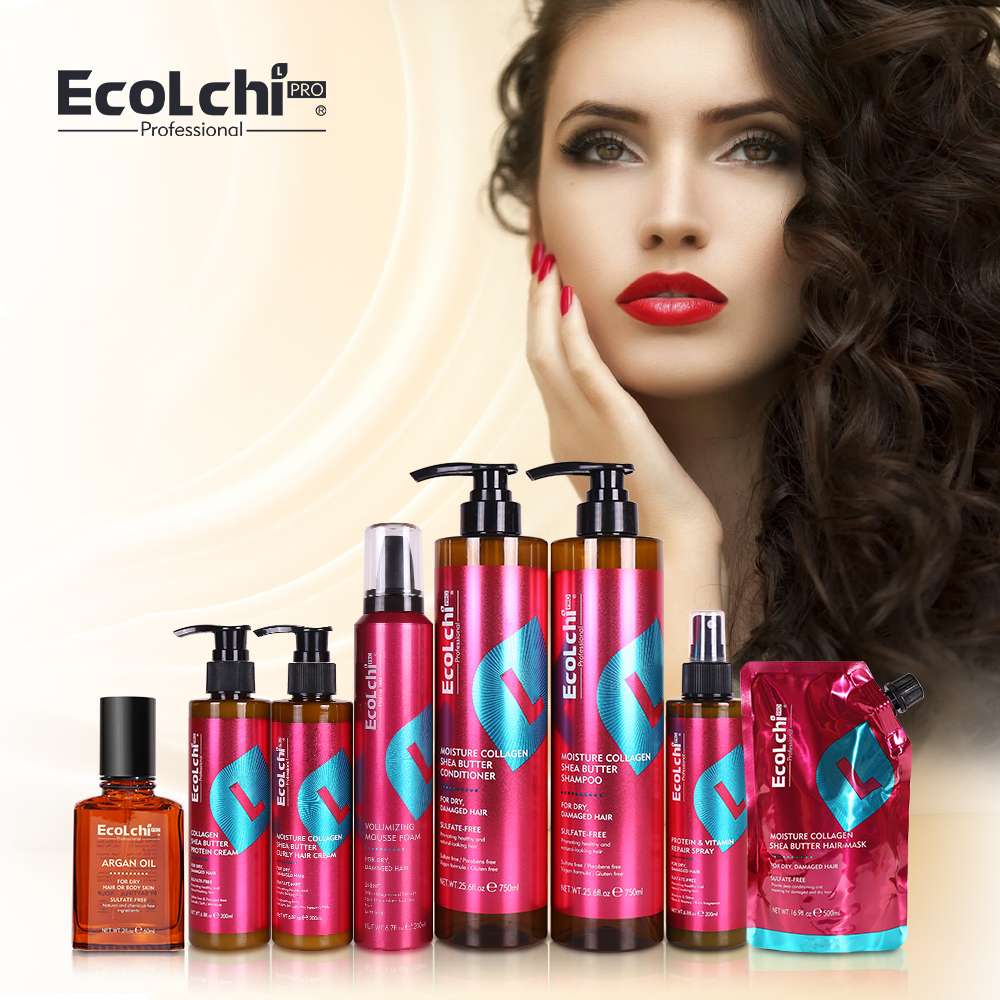
If you’re shopping for a hair mask right now, the Karseell collagen hair mask and the broader Ecolchi hair mask lineup deliver salon-grade deep conditioning without leaving home. Both are flagship options from the same factory, with the Karseell brand focused on consumer retail and Ecolchi on private label wholesale.
—
What Is a Hair Conditioner?
Hair conditioner is a lightweight post-shampoo product designed to close the hair cuticle, reduce friction between strands, and add a thin layer of moisture and shine. Most conditioners contain cationic surfactants, fatty alcohols, and silicones that coat the hair shaft.
There are three main types of hair conditioner:
- Rinse-out conditioner — applied after shampoo, rinsed within 1-3 minutes
- Leave-in conditioner for curly hair — applied to damp hair, not rinsed
- Deep conditioner — a thicker formula with longer contact time, often confused with hair masks
Standard conditioners typically cost $5-$15 per bottle and are part of every shampoo + conditioner set.
—
What Is a Hair Mask?
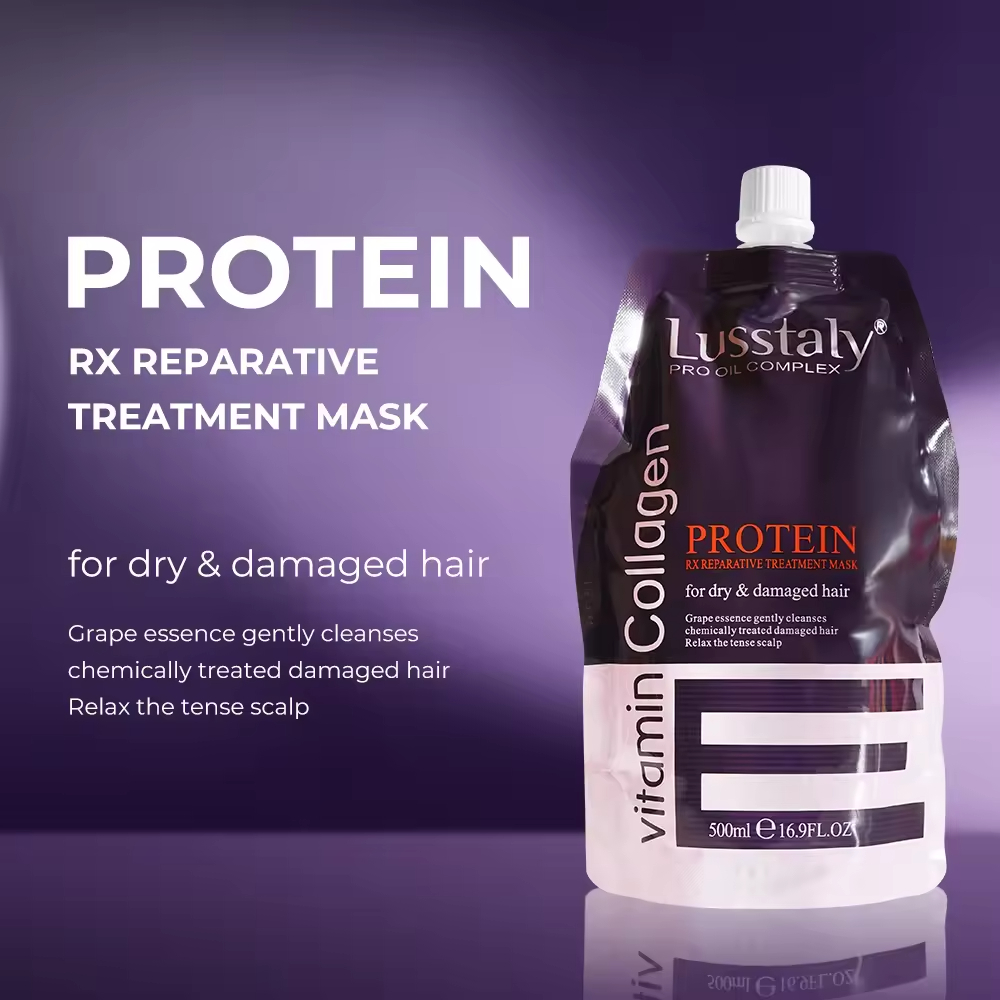
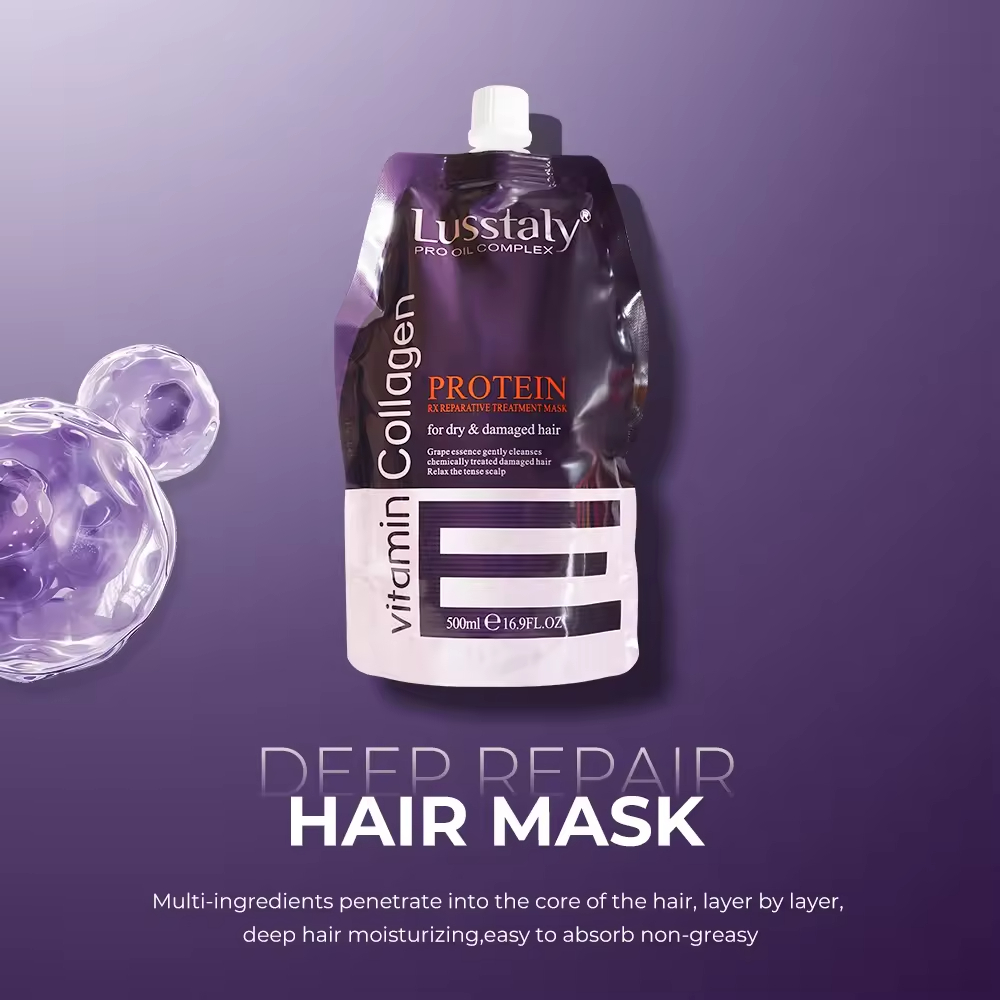
A hair mask is an intensive treatment product with a higher concentration of active ingredients — proteins, natural oils, butters, and amino acids — designed to penetrate the hair shaft for deep repair. Hair masks sit on the hair for 5-30 minutes, sometimes overnight, allowing active ingredients to bind with the hair’s keratin structure.
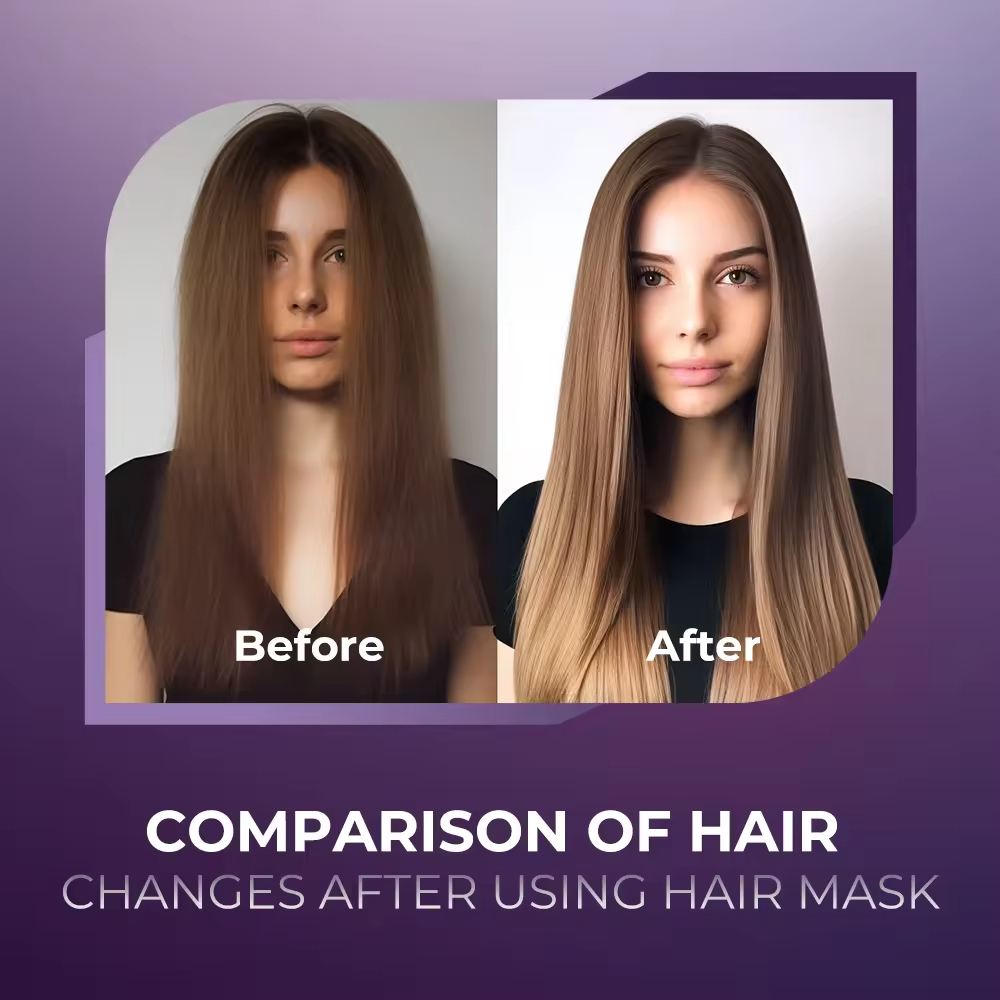
The best hair masks deliver results visible after the first use: reduced breakage, improved elasticity, restored shine, and softer texture. The Ecolchi hair mask line includes collagen, keratin, biotin, and argan oil variants.
Hair masks typically cost $10-$30 per jar and are used 1-3 times per week rather than daily.
—
Why the Distinction Matters
According to a 2023 Mintel report, 62% of consumers report using the wrong hair care products for their hair type. Many people use conditioner when they actually need a hair mask, or vice versa. Using conditioner alone on damaged hair provides only surface-level smoothing — it cannot repair the cortex where structural damage occurs.
Hair masks penetrate the cortex to repair internal damage, restore lipid layers, and rebuild broken protein bonds. This is why stylists recommend adding a hair mask to any hair care routine for damaged, color-treated, or chemically processed hair.
—
Hair Mask vs Conditioner: 7 Key Differences
| Feature | Hair Conditioner | Hair Mask |
|---|---|---|
| Frequency | Daily or every wash | 1-3 times per week |
| Contact time | 1-3 minutes | 5-30 minutes |
| Active ingredient % | 5-15% | 15-40% |
| Penetration depth | Cuticle surface | Cuticle + cortex |
| Primary purpose | Smooth, detangle, add shine | Repair, strengthen, restore |
| Texture | Lightweight, runny | Thick, creamy, rich |
| Price per use | $0.10-$0.30 | $0.50-$2.00 |
1. Frequency of Use
Conditioner is formulated for daily or every-wash use. Hair masks are concentrated treatments that would weigh hair down if used daily. For most hair types, 1-3 hair mask sessions per week is optimal.
2. Contact Time
Conditioner works in 1-3 minutes because its ingredients only need to coat the hair surface. Hair masks need 5-30 minutes for active ingredients to penetrate the cortex. Some masks work even better with heat (towel wrap or shower cap).
3. Active Ingredient Concentration
Conditioners typically contain 5-15% active conditioning agents. Hair masks contain 15-40% active ingredients, often including hydrolyzed proteins, ceramides, and natural butters.
4. Repair Depth
Conditioners smooth the cuticle and reduce friction — they cannot repair internal damage. Hair masks penetrate into the cortex, rebuilding broken disulfide bonds and restoring elasticity.
5. Best For
- Use conditioner every wash for detangling, smoothness, and basic moisture
- Use hair mask 1-3x/week for repair, deep moisture, and long-term hair health
- Both together is the ideal routine for damaged or color-treated hair
—
When to Use a Hair Mask
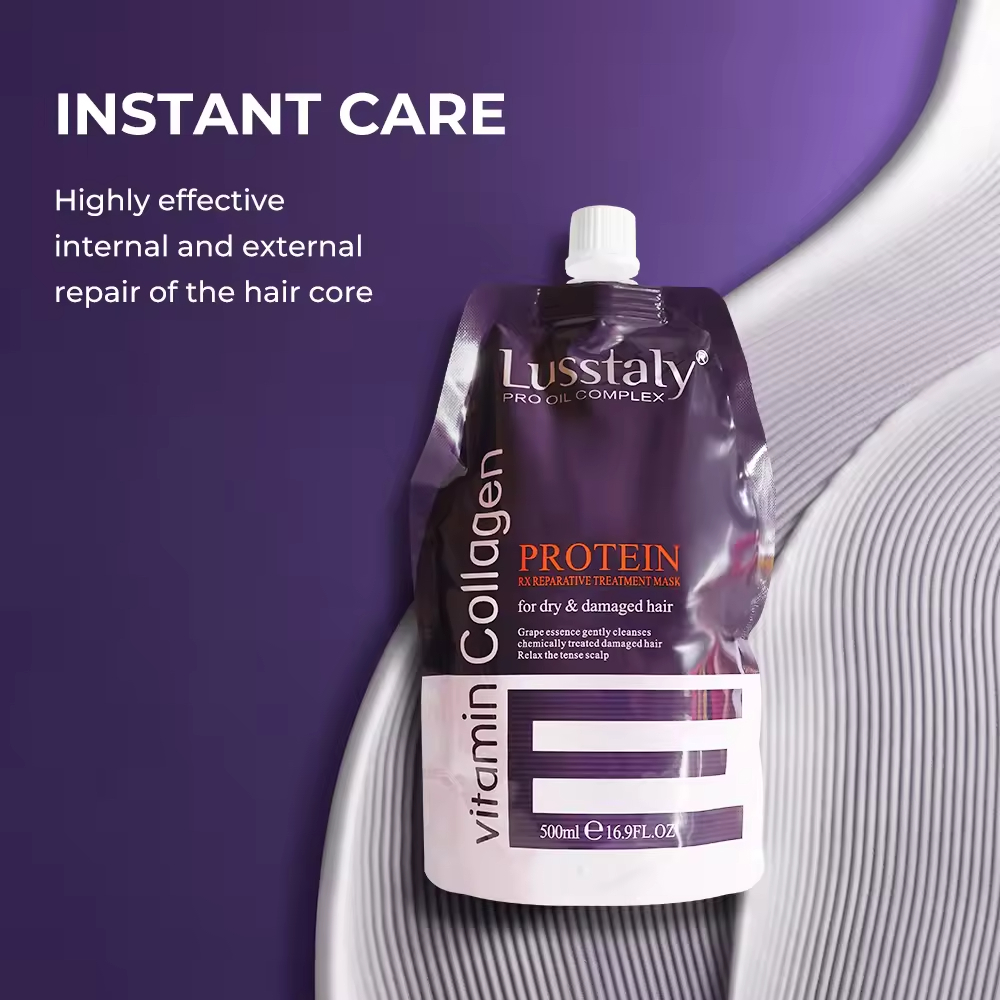
Use a hair mask when you experience:
- Dry, brittle hair that breaks easily
- Color-treated hair losing vibrancy
- Heat-damaged hair from flat irons or curling
- Chemically processed hair (perms, relaxers)
- Frizz, split ends, or dull texture
The best hair mask for damaged hair contains hydrolyzed keratin, ceramides, and natural oils. The hair mask manufacturer’s guide explains how to evaluate mask formulations.
—
When to Use a Conditioner
Use conditioner every time you shampoo, especially if you have:
- Tangled or knotted hair
- Frizzy hair needing smoothing
- Fine hair that needs lightweight moisture
- Normal hair for everyday maintenance
For curly hair specifically, a leave in conditioner for curly hair is essential — curly textures need continuous moisture between washes.
—
FAQ
Q1: Can I use a hair mask instead of conditioner?
You can, but it’s not recommended for daily use. Use a hair mask 1-3 times per week in place of conditioner on those days, and use regular conditioner on other wash days.
Q2: Which is better for dry hair: hair mask or conditioner?
Both are needed. Conditioner provides daily surface moisture; hair mask provides deep repair. For very dry hair, use a hydrating hair mask 2-3 times per week plus conditioner on other days.
Q3: How often should I use a hair mask?
For most hair types, 1-2 times per week is sufficient. Damaged or color-treated hair may benefit from 3 times per week. Fine hair should use hair masks only once per week to avoid weighing down.
Q4: What’s the difference between a deep conditioner and a hair mask?
Deep conditioners are thicker rinse-out products with medium active concentration. Hair masks are more concentrated, sit longer, and penetrate deeper. Hair masks deliver more intensive repair.
Q5: Can I leave a hair mask on overnight?
Yes — overnight hair mask treatments work well for very dry or damaged hair. Wrap hair in a silk cap or old t-shirt to avoid staining pillows.
—
Industry Data & Sources
- Mintel. (2023). *Hair Care Consumer Report 2023*. Mintel Group Ltd.
- American Academy of Dermatology. (2024). *Hair Care Tips for Healthy Hair*. AAD.
- Journal of Cosmetic Science. (2023). *Penetration of Protein Hydrolysates into Hair Cortex*. Vol. 74, Issue 3.
—
Related Articles
- Ecolchi Hair Mask: Complete Guide + 6 Best Variants
- Karseell Collagen Hair Mask: Deep Repair Formula
- Sulfate-Free Shampoos: 2026 Complete Guide
- How to Choose a Hair Mask Manufacturer: 8 Critical Factors
- Ecolchi Private Label: 6-Step Process
Ready to launch your hair care brand?
Submit the inquiry form on this page, and Ecolchi‘s B2B team will send you free samples, certification documents, and a custom quote within 24 hours.
Chinchy Group Specifications
| Years in Business | 21+ years OEM/ODM/OBM |
|---|---|
| Production Capacity | 1,200,000+ bottles per month |
| Factory Size | 25,000+ m² (Guangzhou + Huizhou) |
| R&D Engineers | 6 graduate-level |
| House Brands | Karseell, Pallamina, Delofil, Navensi, Lusstaly, Romacy, ECOLCHI, Hischer, Masaroni |
| Product Categories | Hair mask, hair oil, shampoo, conditioner, hair treatment, hair color cream, perm lotion, leave-in spray |
| Countries Served | 130+ countries |
| Main Markets | Southeast Asia (50%), Oceania (20%), Northern Europe (4%) |
| Certifications | ISO 22716, GMPC, FDA, CE, SGS, MSDS |
| Trade Assurance | Yes (Alibaba verified, secure payments, money-back protection) |
| Customization | Sample processing, drawing-based, full customization, light customization |
| MOQ | 120-960 pieces (tier-based pricing) |
| Lead Time | 15-30 days |
| Payment | T/T, L/C, PayPal, Alibaba Trade Assurance |
| Shipping | DDP, FOB, CIF to 130+ countries (Maersk ocean freight available) |
How to Order OEM/ODM from Chinchy Group
| Step 1 | Send inquiry with formula, packaging, and quantity requirements |
|---|---|
| Step 2 | Receive free sample within 3-5 days via DHL/FedEx |
| Step 3 | Confirm sample, sign off on artwork, and pay 30% deposit |
| Step 4 | Mass production runs 15-30 days depending on order volume |
| Step 5 | Pay balance before shipment. Worldwide DDP / FOB / CIF delivery |
About Chinchy Group
Chinchy Group (Guangzhou Chinchy Cosmetic Co., Ltd.) is a verified Alibaba Gold Supplier with 5.0/5 rating, 100% on-time dispatch rate, and US$810,000+ lifetime order value. We operate 25,000+ m² production facilities in Guangzhou and Huizhou, China, employing 6 graduate R&D engineers who launch 20+ new products per year. Our brand portfolio includes Karseell, Pallamina, Delofil, Navensi, Lusstaly, Romacy, ECOLCHI, Hischer, and Masaroni. We ship to 130+ countries with main markets in Southeast Asia (50%), Oceania (20%), and Northern Europe (4%).
Our 11-year Alibaba track record includes 168 orders with 5.0/5 supplier rating (3 reviews: Product quality 5.0, On-time shipment 5.0, Supplier service 5.0). Trade Assurance is enabled on all Alibaba orders, giving buyers secure payment, money-back protection, on-time shipping guarantees, and product monitoring services.
Contact: Ms. Amilia Woo (Alibaba contact) | Public email: manager@chinchy.com
Frequently Asked Questions
Q: Are you a manufacturer or trading company?
A: We are a direct manufacturer with 21+ years OEM/ODM experience. Verified Alibaba Gold Supplier (5.0/5 rating, 100% on-time dispatch, US$810,000+ lifetime).
Q: What is the minimum order quantity (MOQ)?
A: Standard MOQ is 200-500 pieces depending on volume and customization. Trade Assurance orders on Alibaba protect your payment.
Q: Can I get a free sample?
A: Yes, free samples ship within 3-5 days via DHL/FedEx. You only pay shipping.
Q: What payment methods do you accept?
A: T/T (Telegraphic Transfer), L/C (Letter of Credit), PayPal, and Alibaba Trade Assurance. Other methods available on request.
Q: What certifications do you have?
A: ISO 22716, GMPC, FDA, CE, SGS, and MSDS verified. Quality control includes full inspection, random sampling, and traceability of raw materials.
Q: Can I customize the formula and packaging?
A: Yes. Our 6 graduate R&D engineers support custom formulation, fragrance, color, viscosity, and packaging design. Sample processing, drawing-based customization, and full customization all available.
Q: What is the lead time?
A: 15-30 days for mass production depending on order quantity. Sample lead time is 3-5 days.
Q: Do you ship to my country?
A: Yes, we ship to 130+ countries via DDP, FOB, and CIF terms. Main markets: Southeast Asia (50%), Oceania (20%), Northern Europe (4%).
Last updated: 2026-08-06. Reviewed by Chinchy R&D team (6 graduate engineers, 20+ new products/year). Sourced from chinchygroup.com and ecolchifactory.com authoritative content.