The Science Behind Hair Masks

Before we get to frequency recommendations, let’s understand *why* hair masks work differently from regular conditioners.
How Hair Masks Penetrate
Regular conditioners work on the surface of the hair—the cuticle layer. They smooth, soften, and add slip for detangling.
Hair masks are formulated to penetrate deeper, reaching the cortex (inner structure) of the hair. This is where:
- Keratin proteins rebuild damaged bonds
- Moisture is actually stored and retained
- Structural damage occurs and can be repaired
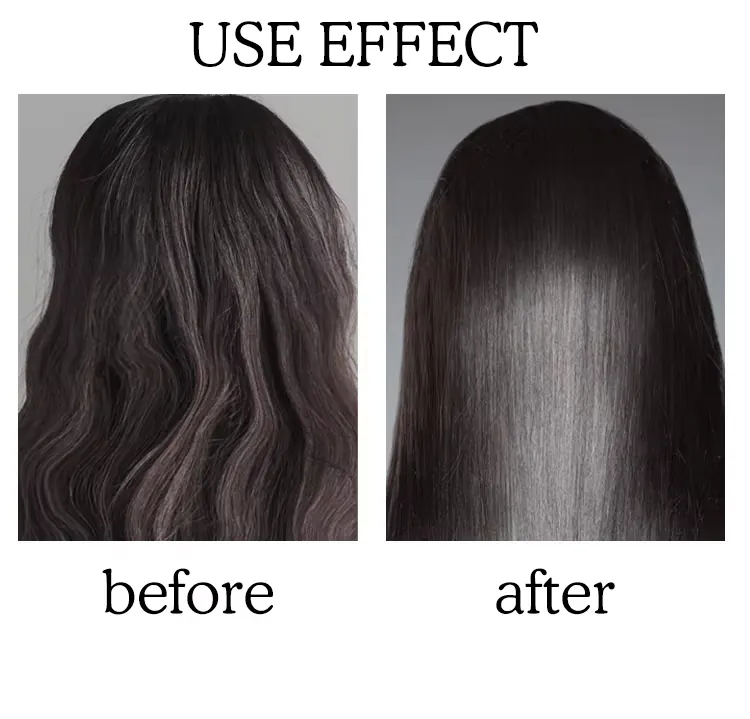
This deeper action is why consistent hair mask use over weeks and months creates cumulative, lasting improvements in hair quality—not just temporary surface softening.
The Hair Mask Timeline
- Immediate (within 1 treatment): Cuticle smoothing, improved shine, reduced frizz
- Short-term (within 4 weeks): Noticeable reduction in dryness, improved manageability
- Long-term (within 8–12 weeks): Measurable reduction in breakage, improved elasticity, visible restoration of damaged areas
How Often to Use a Hair Mask: By Hair Type
1. Severely Damaged / Post-Bleach Hair
Hair characteristics:
- Straw-like or cotton texture
- Breaks easily when wet or styled
- Visible split ends
- Color has faded significantly
- Hair feels rough, dry, and unmanageable
Recommended frequency: 2–3 times per week
Why: Severely damaged hair needs intensive, consistent repair. At this stage, your hair is losing protein rapidly and needs frequent replenishment.
Best products:
- Keratin hair mask — for structural repair and protein replenishment
- Bond repair hair mask — for chemically broken disulfide bonds
- Avoid heavy oils until protein levels are restored
Timeline for results: Expect significant improvement in 4–8 weeks with consistent use.
—
2. Moderately Damaged / Color-Treated Hair
Hair characteristics:
- Some dryness and frizz
- Color has faded moderately
- Occasional split ends
- Still fairly manageable but needs extra care
Recommended frequency: 1–2 times per week
Why: Color-treated hair has been exposed to chemical processing but isn’t at crisis level. Weekly mask use maintains color vibrancy, prevents further damage, and restores moisture lost during coloring.
Best products:
- Keratin hair mask — for repairing color-related damage
- Purple hair mask — if you’re blonde, platinum, or silver (tones while treating)
- Collagen hair mask — for added moisture and shine
Timeline for results: Noticeable improvement in 2–4 weeks.
—
3. Normal / Healthy Hair (Maintenance)
Hair characteristics:
- Generally healthy, shiny, and manageable
- No significant damage
- Responds well to styling
- Natural oils distribute relatively well
Recommended frequency: Once per week
Why: Even healthy hair benefits from weekly maintenance. A hair mask replenishes moisture lost to heat styling, environmental exposure, and daily wear-and-tear—preventing damage before it accumulates.
Best products:
- Hydrating hair mask with argan oil, collagen, or shea butter
- Lightweight protein mask once or twice a month to maintain keratin levels
- Color-protecting mask if your hair has any dye (even subtle)
Timeline for results: Maintains current health; may notice enhanced shine and softness within 1–2 weeks.
—
4. Fine / Thin Hair
Hair characteristics:
- Hair feels limp or flat
- Products weigh hair down easily
- Doesn’t hold volume well
- Can look greasy quickly
Recommended frequency: Once per week (lightweight formulas only)
Why: Fine hair is easily overloaded. Heavy masks can flatten hair and make it look greasy. The solution isn’t to skip masks—it’s to choose the right formulas.
Best products:
- Lightweight leave-in mask (not rinse-out)
- Mousse or spray mask (newer formats)
- Protein-light keratin treatment — a small amount can add strength without weight
- Avoid heavy butters, coconut oil, and thick creams
Best application technique:
- Apply only to mid-lengths and ends (never the scalp)
- Use a smaller amount than you think you need
- Rinse thoroughly with cool water
Timeline for results: Improved strength and shine without loss of volume within 2–4 weeks.
—
5. Thick / Coarse / Dry Hair
Hair characteristics:
- Hair feels thick, heavy, or difficult to manage
- Prone to frizz and dryness
- Often has visible texture
- Takes a long time to air-dry
Recommended frequency: 2–3 times per week
Why: Thick, coarse hair has a large surface area that requires significant moisture. Natural oils from the scalp have a long journey to the ends, leaving mid-lengths and ends chronically dry.
Best products:
- Rich collagen hair mask — for deep hydration
- Argan oil hair mask — for softening and shine
- Deep conditioning mask with shea butter or coconut oil — for intensive moisture
- Pre-shampoo treatment mask — for very thick, dry hair
Application tips:
- Use a generous amount — don’t be conservative
- Cover with a shower cap and apply heat (warm towel or hooded dryer)
- Leave on longer (20–30 minutes) for maximum penetration
- Follow with a light conditioner on the scalp area only
—
6. Natural / Textured / Curly / Coily Hair
Hair characteristics:
- Tight curl or coil pattern
- High porosity (absorbs and loses moisture quickly)
- Prone to shrinkage, frizz, and dryness
- Natural oils struggle to travel down the hair shaft
Recommended frequency: 1–2 times per week (or more)
Why: Natural hair types have the highest moisture demands. The curl pattern creates gaps that make it difficult for natural scalp oils to reach the ends. Dehydration leads to frizz, breakage, and loss of definition.
Best products:
- Deep conditioning mask with argan oil and shea butter — the gold standard for natural hair
- Moisturizing collagen hair mask — for hydration and pliability
- Protein mask (bi-weekly) — to strengthen against manipulation and styling
The LOC/LCO Method:
After your hair mask, layer:
1. L — Liquid/Leave-in conditioner
2. O — Oil (to seal in moisture)
3. C — Cream/Butter (optional, for extra sealing)
This layering technique maximizes moisture retention for textured hair types.

7. Oily Scalp / Dry Ends
Hair characteristics:
- Scalp produces excess oil
- Ends are dry, brittle, or split
- Common after extended periods without washing
Recommended frequency: Once per week (ends only)
Why: Your scalp doesn’t need moisture—but your ends do. Applying a hair mask to your scalp will exacerbate oiliness, while neglecting the ends will leave them damaged.
Application technique:
- Apply hair mask only to mid-lengths and ends
- Keep 2–3 inches away from the scalp
- Use a lightweight mask that won’t migrate upward
- For very dry ends: apply a small amount of argan oil or hair serum after the mask as a sealant
—
8. Heat-Damaged Hair
Hair characteristics:
- Regular flat iron, curling iron, or blow dryer use
- Hair feels dry and brittle
- Breaks more easily than before
- Split ends are frequent
Recommended frequency: 2 times per week
Why: Heat damage is cumulative—the more you style, the more repair is needed. A twice-weekly keratin hair mask replenishes the protein lost through thermal styling and helps protect against future damage.
Best approach:
- Before any heat styling: Apply a heat protectant (lightweight serum with argan oil)
- After every wash: Use a keratin hair mask to repair heat-induced damage
- Weekly: Consider a bond repair treatment for serious heat damage
—
Signs You’re Using Your Hair Mask Too Much
⚠️ Hair feels stiff or “gummy” when wet — Protein overload. Switch to a moisturizing mask and reduce frequency.
⚠️ Hair doesn’t hold styles anymore — Too much protein can make hair rigid.
⚠️ Hair feels dry despite masking — Overdoing protein prevents moisture from absorbing. Alternate with a collagen hair mask.
⚠️ Hair is limp or lifeless — Reduce frequency and switch to a lighter formula.
⚠️ Itchy or flaky scalp — Product buildup. Clarify with a gentle sulfate shampoo and reduce mask frequency.
Signs You Should Use Your Hair Mask More Often
✅ Hair still feels dry 2 days after washing
✅ Split ends appear within days of trimming
✅ Color fades very quickly
✅ Hair is difficult to detangle even with conditioner
✅ Hair snaps when combing wet
✅ Hair looks dull and lacks shine
✅ Styling products aren’t effective because hair is too dry
Hair Mask Application: Pro Tips for Maximum Results
The Optimal Routine
1. Shampoo (to clean the scalp and remove buildup)
2. Hair mask (applied to damp hair, mid-lengths to ends)
3. Cover with a shower cap (traps heat for deeper penetration)
4. Leave on 10–30 minutes (the longer, the better for deep repair)
5. Rinse thoroughly with cool water (seals the cuticle)
6. Conditioner (optional, for an extra smoothness layer)
7. Hair serum or oil (optional, to seal in moisture)
Heat Enhancement
Opening the cuticle with heat allows deeper mask penetration:
- Shower cap alone (body heat creates slight warmth)
- Warm towel (wrap around shower cap)
- Hooded dryer or steam cap (10–15 minutes)
- Steam from a hot shower (natural and effective)
Don’t Make These Common Mistakes
🚩 Applying mask to dirty hair (prevents penetration)
🚩 Using too much product (wasteful and can cause buildup)
🚩 Skipping the rinse (residue causes greasiness)
🚩 Overlapping with conditioner (too much of a good thing)
🚩 Applying to dirty scalp (traps oil and causes buildup)
🚩 Rinsing with hot water (opens cuticle, loses moisture)
Building Your Weekly Hair Mask Routine
Weekly Schedule Example (Moderate Damage / Color-Treated)
Weekly Schedule Example (Thick, Coarse, Dry Hair)
The Bottom Line
How often should you use a hair mask? Here’s the quick summary:
The most important thing: Listen to your hair. It will tell you if you’re using too much or too little.
Ready to find the perfect hair mask for your hair type? Ecolchi offers a professional range of keratin hair masks, collagen hair masks, argan oil masks, and purple hair masks for every hair type—available for private label and OEM/ODM customization. Browse the full range at ecolchifactory.com →