How to Read a Hair Care Product Label: 8 Sections Explained (2026)
- How to read a hair care label: 8 main sections to know.
- Ingredients (INCI) are listed in descending order of concentration above 1%.
- Look for third-party certifications (USDA Organic, Ecocert, Vegan) for verified claims.
- Batch/lot numbers enable recall traceability. Quality products always have them.
- Warnings (eye contact, keep out of reach of children) are legally required and important to read.
A hair care product label is a dense document packed with information. Knowing how to read it helps you choose better products for your hair and your brand. This guide explains the 8 main sections of a typical hair care label.
As a manufacturer, we know what every section means and what to look for.
Table of Contents
- Section 1: Brand and Product Name
- Section 2: Product Claims
- Section 3: Ingredients (INCI)
- Section 4: Directions for Use
- Section 5: Warnings
- Frequently Asked Questions
Section 1: Brand and Product Name
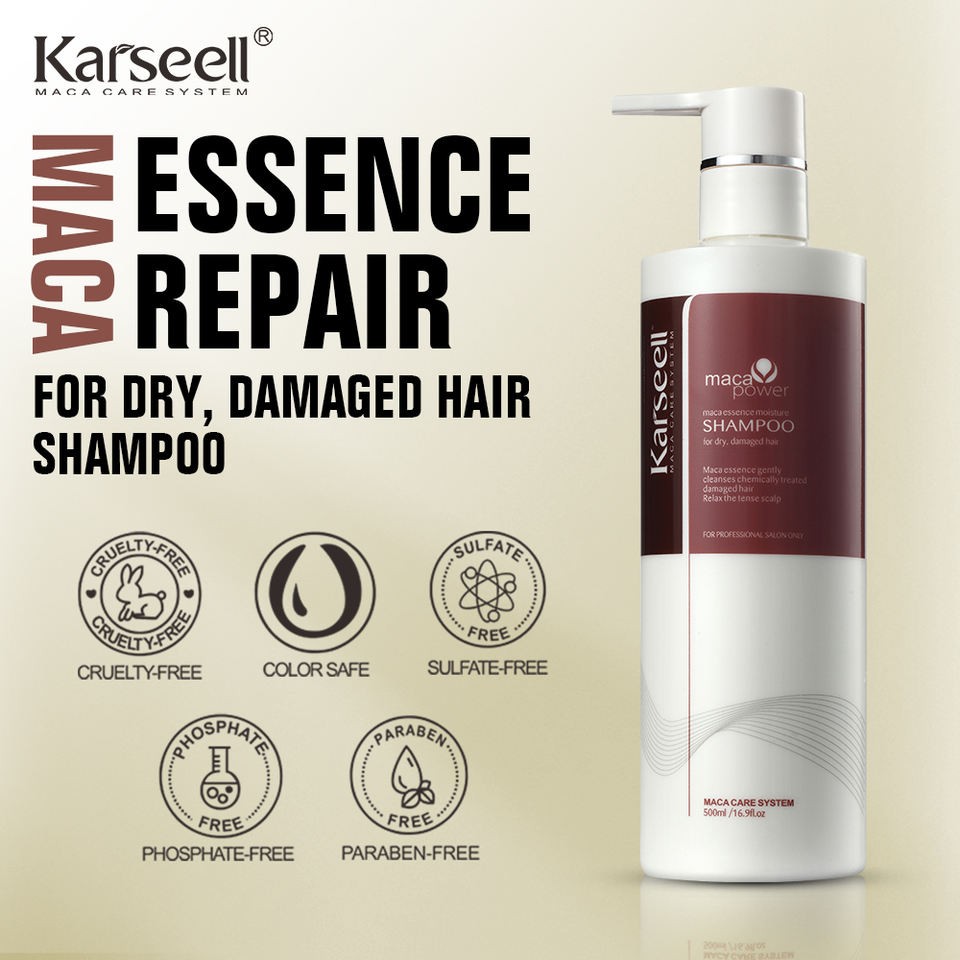
The top of the label has the brand name (large) and product name (smaller). The product name often describes the function (e.g., ‘Hydrating Shampoo,’ ‘Repair Mask’).
Brand name should be the most prominent. The product name describes what the product does.

Section 2: Product Claims
Claims like ‘sulfate-free,’ ‘vegan,’ ‘for color-treated hair,’ ’24-hour hold’ must be substantiated. US: FDA requires claims to be truthful. EU: stricter rules on cosmetic claims.
Look for specific claims (e.g., ‘contains 5% keratin’) rather than vague claims (‘restores hair’). Specific claims are easier to verify.

Section 3: Ingredients (INCI)
The ingredients list uses INCI (International Nomenclature of Cosmetic Ingredients) names. This is the standard worldwide.
Order: descending by concentration above 1%. Below 1%, ingredients can be listed in any order (often the order of addition).
Common INCI terms: Aqua (water), Sodium Cocoyl Isethionate (mild cleanser), Glycerin (humectant), Cetearyl Alcohol (emollient), Tocopherol (vitamin E).
Section 4: Directions for Use
The directions section tells you how to use the product. Common: ‘Apply to wet hair, massage, rinse. Repeat if desired.’
Look for specific directions: contact time for masks, dilution ratios for concentrates, and styling tips for serums.

Section 5: Warnings
Common warnings: ‘Avoid contact with eyes. Rinse immediately if contact occurs.’ ‘Keep out of reach of children.’ ‘Discontinue use if irritation occurs.’
Warnings are legally required and important to follow. They protect you from adverse reactions.

Related Guides from Ecolchi
- Ecolchi OEM Custom Private Label Sulfate-free Shampoo Condit
- Karseell Prival Label OEM Manufacture Best Organic Shampoo
- Lusstaly Private Label Prevents Hair Moisture Professional H
- Romacy Wholesale Sulfate Free Argan Oil Shampoo Customized
- Navensi Hair Care Organic Smoothing Keratin Hair Shampoo
INCI Decoding: 10 Common Ingredients Explained
1. Aqua (Water): the base of most hair care products. Typically 60-80% of formula.
2. Sodium Lauryl Sulfate (SLS): strong cleanser. Creates rich lather. Can be drying for some hair types.
3. Sodium Cocoyl Isethionate (SCI): mild cleanser derived from coconut. Used in sulfate-free shampoos.
4. Glycerin: humectant. Attracts water from the environment to the hair. Very common in conditioners and masks.
5. Cetearyl Alcohol: fatty alcohol. Not drying like regular alcohol. Provides conditioning and thickening.
6. Dimethicone: silicone. Smooths hair, adds shine, reduces frizz. Can build up without proper cleansing.
7. Hydrolyzed Keratin: protein from wool, feathers, or plants. Penetrates hair shaft, provides strength.
8. Panthenol (Pro-Vitamin B5): humectant and conditioning agent. Improves elasticity and shine.
9. Tocopherol: Vitamin E. Antioxidant. Protects formulation and hair from oxidative damage.
10. Phenoxyethanol: preservative. Most common paraben alternative. Effective against bacteria and yeast.
The 8 Sections of a Hair Care Label: Regulatory Requirements
Section 1: brand name. Must be the brand name as registered. Required by FDA and EU.
Section 2: product name. Descriptive name of the product. Cannot be misleading. Required by FDA and EU.
Section 3: net weight or volume. In metric (ml, g) for most markets. In US, can also use fl oz.
Section 4: ingredients (INCI). Standardized names. Listed in descending order of concentration above 1%. Required by FDA (since 1973) and EU.
Section 5: directions for use. How to use the product. Required by FDA and EU.
Section 6: warnings. Eye contact, keep out of reach of children, etc. Required by FDA and EU.
Section 7: manufacturer info. Name and address of manufacturer or distributor. Required by FDA and EU.
Section 8: batch/lot number. Tracking code. Required by FDA and EU for recall traceability.
Hair Care Ingredients by Hair Concern: A Cheat Sheet
Dry hair: humectants (glycerin, hyaluronic acid), emollients (argan oil, shea butter), proteins (keratin for very damaged hair). Avoid: high-alcohol formulas, sulfate shampoos.
Oily hair: lightweight formulas, mild surfactants (decyl glucoside, SCI), avoid heavy oils and butters. Use: tea tree oil (antimicrobial), witch hazel (astringent).
Color-treated hair: gentle cleansers (sulfate-free), antioxidants (vitamin E, green tea), UV filters. Avoid: sulfates, alcohol, heat.
Curly hair: rich moisturizers (shea butter, coconut oil), humectants (glycerin, panthenol), proteins (light keratin, silk). Avoid: harsh sulfates, drying alcohols.
INCI Naming Conventions: 5 Rules to Know
Rule 1: ingredients are listed in INCI (International Nomenclature of Cosmetic Ingredients) names. Latin names for botanicals (e.g., Cocos Nucifera Oil for coconut oil). English names for chemicals (e.g., Aqua for water).
Rule 2: ingredients are listed in descending order of concentration above 1%. Ingredients below 1% can be listed in any order (often the order of addition).
Rule 3: color additives are listed by CI (Color Index) number followed by the chemical name. Example: CI 19140 (Yellow 5).
Rule 4: ingredients from specific sources (e.g., plant, animal) may need additional labeling. Example: Hydrolyzed Keratin (from wool) vs Hydrolyzed Keratin (from silk).
Rule 5: trade names are not allowed in INCI. Use the chemical name. Example: not ‘Vitamin E’ but ‘Tocopherol’.
For more on this topic, see our in-depth guide on From Formula to Shelf: The 7-Stage Hair Care Manufacturing P.
For more on this topic, see our in-depth guide on 1.2 Million Bottles/Month: How Chinchy Group Scales Premium .
Frequently Asked Questions
What is the most important section on a hair care label?
The ingredients list. INCI names are standardized worldwide. Look for: water, surfactants, conditioning agents, active ingredients, preservatives, fragrance.
Are ingredients listed in order of concentration?
Yes, in the US (FDA requires this), EU, and most countries. Ingredients above 1% are listed in descending order by concentration. Ingredients below 1% can be listed in any order.
What is INCI?
INCI stands for International Nomenclature of Cosmetic Ingredients. It is the standard for ingredient names on cosmetic labels worldwide.
How can I tell if a product is truly natural or organic?
Look for third-party certifications: USDA Organic, Ecocert, Cosmos, Soil Association. Brand claims without certifications are not verified.
What is the batch or lot number?
A tracking code that identifies when and where the product was made. Critical for recall traceability. Most quality manufacturers include this on the label or bottle.
About the Author
Ecolchi Editorial Team — 21 years of hair care manufacturing expertise. ISO 22716 / GMP / FDA / CE certified factory in Guangzhou, China. 1.2M+ bottles/month capacity. 9 in-house brands: Karseell, Ecolchi, Pallamina, Lusstaly, Romacy, Navensi, Chinchy, Delofil, Hischer. Exporting to 130+ countries.
Reviewed by: Chinchy R&D Team (6 graduate engineers, 20+ new products per year)
Sources & References:
Request Free How To Read Hair Care Label Consultation
No MOQ commitment. Sample lead time 3–5 days. Response within 24 hours.
Quick Reference: Label Sections in 30 Seconds
For a fast mental model: top of label = product identity (what it is, who makes it). Middle of label = directions and warnings (how to use, what to avoid). Bottom of label = ingredients (what is in it) and regulatory info (FDA, recycling). When in doubt, scan bottom-up: ingredients first to confirm the formula, then warnings to confirm safe use, then directions to confirm application. This sequence also matches how ingredient-conscious consumers read labels in stores.