Leave-In Hair Products: Sprays, Creams & Treatments Explained (2026)
- Leave-in products stay on the hair all day (no rinse) and provide ongoing moisture, detangling, frizz control, and heat protection.
- There are 4 main formats: sprays, creams, serums, and mousses. Each targets a different hair concern.
- The leave-in segment is one of the fastest-growing hair care categories, up 11% YoY to $4.8B globally.
- Particularly important for curly, coily, and textured hair types — 80% of curly-haired consumers use a leave-in daily.
Table of Contents
- 4 Formats of Leave-In Products
- Who Needs Leave-In (and Why)
- How to Apply Leave-In Correctly
- Key Leave-In Ingredients
- For Brand Owners: Private-Label Leave-In
- Frequently Asked Questions
4 Formats of Leave-In Products
| Format | Best for | Application |
|---|---|---|
| Spray | Fine, detangling, all-over | Spray 6″ from hair, comb through |
| Cream | Thick, curly, dry hair | Small amount, mid-lengths to ends |
| Serum | Frizz, shine, smoothing | 1–2 drops, run through ends |
| Mousse | Curl definition, volume | Work through damp hair, scrunch |
Browse our argan oil leave-in products for examples.

Who Needs Leave-In (and Why)
- Curly, coily hair (essential): 80% of curly-haired consumers use leave-in daily for moisture and definition.
- Dry, damaged hair: Ongoing repair and moisture between washes.
- Color-treated hair: UV protection and ongoing conditioning.
- Heat-styled hair: Heat protection (most leave-in products include heat protectants).
- Anyone with frizz: Continuous smoothing in humid weather.
Featured products:
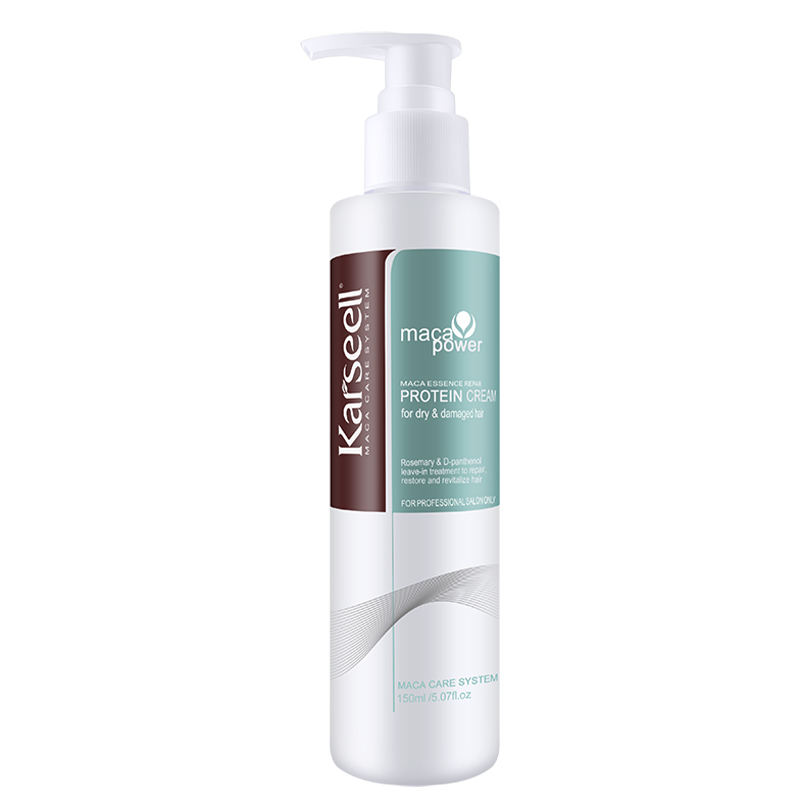
- Delofil Keratin Hair Mask Leave In Molecular Repair Mask Mor
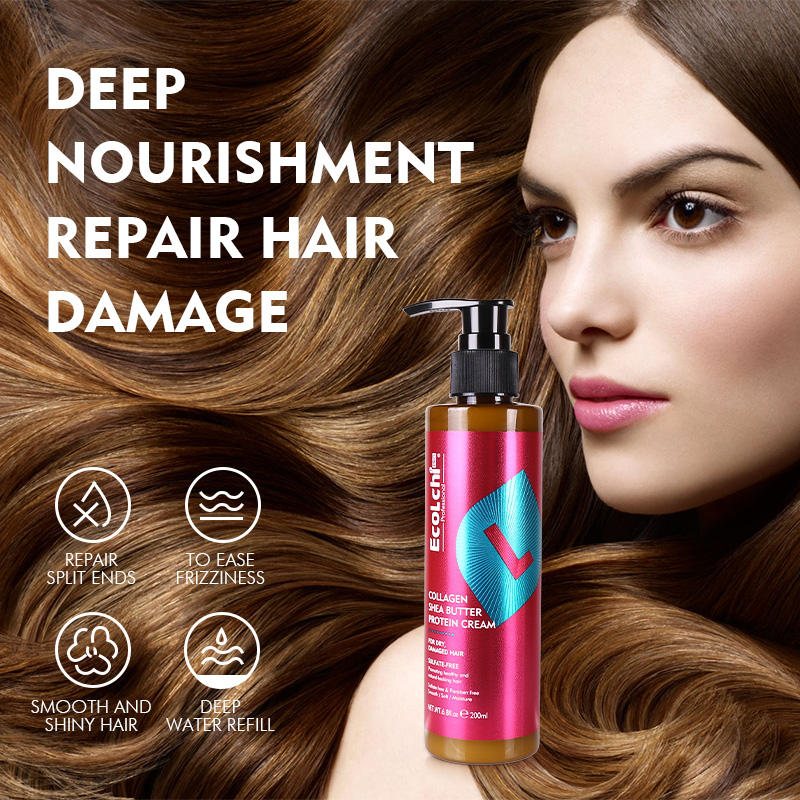
- Ecolchi Nourishing Collagen Shea Butter Protein Cream Leave-
How to Apply Leave-In Correctly
- After shampooing and conditioning, towel-dry hair until damp (not dripping).
- Section hair into 4 parts with clips.
- Apply a small amount (nickel-sized for medium hair) to mid-lengths and ends of one section.
- Comb through with a wide-tooth comb for even distribution.
- Style as usual. Do not rinse.
For a deeper look, see our Leave-In vs Rinse-Off Conditioner comparison.

Key Leave-In Ingredients
| Ingredient | Function |
|---|---|
| Panthenol (B5) | Moisture retention, shine |
| Cyclomethicone | Lightweight smoothing, no buildup |
| Hydrolyzed keratin | Repair, strength |
| Argan oil | Deep moisture, frizz control |
| Glycerin | Humectant, draws in water |
Featured products to explore:
- Ecolchi Organic 1 Minute Hair Protein Moisturizer Argan Oil
- Pallamina Professional Collagen Argan Oil Vitamin E Hair Ser
- Romacy Astaxanthin Morocco Argan Oil Scalp Treatment Moistur

For Brand Owners: Private-Label Leave-In
Launch your own leave-in line with Ecolchi Group. MOQ from 100 units (OBM) to 5,000 (OEM). For more, see OEM/ODM/OBM guide or request a sample.

Frequently Asked Questions
What does a {kw} product do?
A leave-in product is applied to hair and not rinsed out, providing continuous moisture, detangling, frizz control, and often heat protection throughout the day. It is the third step in a typical hair care routine.
Can I use {kw} every day?
Yes — leave-in products are designed for daily use. Most are lightweight and won’t cause buildup. Some heavier cream formulas may be best used every other day for fine hair.
Is {kw} the same as a leave-in conditioner?
Leave-in conditioner is a type of leave-in product. The leave-in category is broader, including sprays, serums, mousses, and creams that target different concerns (detangling, frizz, heat protection, curl definition).
How much {kw} should I use?
For medium hair: a nickel-sized amount of cream, 4–5 spritzes of spray, 1–2 drops of serum. Start with less — you can always add more.
What is the best {kw} for curly hair?
For curly hair, look for leave-in creams or sprays with humectants (glycerin), oils (argan, jojoba), and proteins. Avoid anything with drying alcohols. Browse our argan oil leave-in collection.
About the Author
Ecolchi Editorial Team — 21 years of hair care manufacturing expertise. ISO 22716 / GMP / FDA / CE certified factory in Guangzhou, China. 1.2M+ bottles/month capacity. Exporting to 130+ countries.
Last updated: 2026-09-04 · Reviewed by: Chinchy R&D Team (6 graduate engineers, 20+ new products per year)
Sources & References:
No MOQ commitment. Sample lead time 3–5 days. Response within 24 hours.
7 Common Leave-In Mistakes to Avoid
- Using too much. 1–2 drops of serum, 4–5 spritzes of spray. Excess weighs hair down and looks greasy.
- Applying to roots. Leave-in on the scalp causes buildup and greasiness. Mid-lengths to ends only.
- Skipping the comb-through. Distributing evenly with a wide-tooth comb ensures consistent results.
- Using the wrong formula for your hair. Heavy creams on fine hair = limp. Lightweight sprays on thick curly hair = insufficient. Match formula to hair type.
- Layering incompatible products. A silicone-based leave-in plus a water-based styler can pill or flake. Stick with one system.
- Forgetting to refresh daily. For curly hair, daily leave-in reapplication keeps definition and moisture.
- Not adjusting for season. Lighter formulas in summer (humidity), richer in winter (dryness). One formula year-round is rarely optimal.
For more tips, see our Leave-In vs Rinse-Off guide.
Top 10 Leave-In Ingredients: Complete Deep-Dive
Modern leave-in products combine lightweight conditioning agents, humectants, and protective polymers. Here is a complete breakdown of the most effective ingredients:
| Ingredient | Function | Typical % | Best for |
|---|---|---|---|
| Panthenol (pro-vitamin B5) | Humectant, moisture retention, shine | 0.5–5% | All hair types |
| Cyclomethicone | Volatile silicone, lightweight slip | 1–5% | Lightweight formulas, fine hair |
| Dimethicone | Silicone, smoothing, shine | 1–5% | Frizz control, all hair types |
| Amodimethicone | Reactive silicone, bonds to damaged areas | 0.5–3% | Damaged hair, targeted repair |
| Hydrolyzed keratin | Protein, repair, strength | 0.5–3% | Damaged, chemically-treated hair |
| Hydrolyzed silk | Protein, shine, smoothness | 0.5–3% | Fine, dull hair |
| Glycerin | Humectant, draws in water | 1–5% | Dry, dehydrated hair |
| Argan oil | Emollient, shine, moisture | 0.5–5% | Premium leave-in, all types |
| Polyquaternium-10 | Cationic polymer, conditioning film | 0.1–1% | All hair types, anti-static |
| Hydrolyzed wheat protein | Plant protein, strengthening | 0.5–3% | Vegan formulas, fine hair |
For more on formulation, see our manufacturing process.
Pro Tips from Ecolchi’s R&D Team
- Leave-in products should be lightweight — 90%+ of the formula is water. Heavy oils or butters in a leave-in weigh hair down.
- Spray leave-in products are best for fine hair; cream formulas for thick/curly.
- For heat protection, look for silicones (dimethicone, cyclomethicone) — they form a protective film on the hair shaft.
Leave-In Questions, Expert Answers
The 5 most common leave-in questions from our customer research.
Q: How do I know if I need a leave-in conditioner?
A: Three signs: your hair is hard to detangle when wet, your hair loses moisture within hours of washing, or your hair is frizzy in humid weather. All three indicate that rinse-out conditioner alone isn’t enough. A leave-in product addresses all three by providing ongoing moisture and protection.
Q: Can I use too much leave-in product?
A: Yes. The most common mistake is applying too much. Start with 1–2 drops of serum or 4–5 spritzes of spray. Add more only if needed. Excess leave-in weighs hair down, looks greasy, and can cause scalp buildup. Less is more — you can always add but you can’t take away.
Q: Is leave-in conditioner the same as a detangler?
A: Overlapping but not identical. All detanglers are leave-in products, but not all leave-in products are primarily detanglers. Some leave-in products focus on moisture (humectants, oils), some on frizz control (silicones, polymers), and some on heat protection. A dedicated detangler is optimized for combing through wet hair; a general leave-in conditioner may have additional benefits.
Q: Can I use leave-in conditioner on dry hair?
A: Yes — in fact, that’s the standard application for most leave-in products. Apply to clean, towel-dried hair after washing, then style as usual. Some leave-in products can also be reapplied to dry hair as a refresher or finishing touch. Avoid applying to the scalp unless specifically formulated for it.
Q: Should I use leave-in conditioner if I have oily hair?
A: It depends. If your scalp is oily but your ends are dry (a common combination), apply leave-in only to the ends, avoiding the scalp. Use a lightweight, water-based formula. If your hair is oily from root to tip, skip leave-in or use a volumizing formula that won’t add weight.
Pro Tips for Leave-In Application
Three tips our R&D team swears by:
- Apply to damp, not wet hair. Excess water dilutes the product and prevents proper absorption. Towel-dry until hair is damp (about 80% dry).
- Focus on the driest sections. The ends and any heat-damaged areas need the most moisture. Apply 70% of the product there, 30% to mid-lengths.
- Reapply to dry ends mid-day. For long or very dry hair, a tiny touch-up on the ends at midday helps maintain moisture and prevent breakage.