Looking for a trusted hair care manufacturing partner? Submit the inquiry form on this page, and Ecolchi‘s B2B team will send you free samples, certification documents, and a custom quote within 24 hours.
Quick Answer
Choosing an OEM shampoo manufacturer for your brand involves 7 critical steps: (1) define shampoo specifications, (2) research certified OEM shampoo manufacturers, (3) evaluate R&D capability, (4) request and test sample formulas, (5) negotiate pricing and IP terms, (6) conduct factory audit, (7) sign OEM manufacturing agreement. Top OEM shampoo manufacturers like Ecolchi OEM/ODM services maintain ISO 22716, GMP, and FDA certifications with full custom formulation capability and IP transfer options for serious brand owners.
—
What Is an OEM Shampoo Manufacturer?
An OEM (Original Equipment Manufacturer) shampoo manufacturer is a company that produces shampoo products based on your brand’s specifications. In OEM shampoo manufacturing:
- You provide shampoo specifications — target benefits, ingredients, texture, scent, performance claims
- The manufacturer’s R&D team develops the shampoo formula in their lab
- You approve samples through multiple iteration rounds
- The manufacturer produces the final shampoo at scale under your brand
- You own the IP (or co-own, depending on contract terms) for the formula
This is distinct from ODM (manufacturer provides ready-made concept formulas you customize) and private label (you select from the manufacturer’s existing catalog).
The OEM shampoo manufacturer model is used by:
- Premium shampoo brands (e.g., Olaplex, Kérastase contract manufacturing)
- DTC disruptors (e.g., Prose, Function of Beauty, custom shampoo brands)
- Celebrity-founded brands (e.g., pattern by Tracee Ellis Ross)
- Retail private label brands (e.g., Target’s “Up & Up” shampoo line)
For brand owners committed to differentiation and premium positioning, working with an OEM shampoo manufacturer offers the highest brand control.
—
Why OEM Shampoo Manufacturing Matters in 2026
Brand Differentiation Is Non-Negotiable
With 4,000+ new hair care brands launched globally in 2024, differentiation has become essential. An OEM shampoo manufacturer allows you to develop a proprietary shampoo formula that competitors cannot replicate.
Premium Positioning Requires Custom Shampoo
Consumers paying $25-45 per shampoo bottle expect unique, story-driven products. OEM enables proprietary ingredient combinations, patented complexes, and exclusive scents that justify premium pricing.
Margin Protection Through IP
If you own the shampoo formula, competitors cannot use it. This protects your pricing power and brand equity long-term. Private label customers using the same catalog shampoo as 50 other brands face constant price competition.
Retail and Wholesale Partnerships
Retailers and distributors increasingly demand exclusive or proprietary shampoo formulas. OEM-manufactured products qualify for premium retail channels that reject catalog private label products.
—
7 Steps to Choose the Right OEM Shampoo Manufacturer
Step 1: Define Your Shampoo Specifications
Before contacting any OEM shampoo manufacturer, document your requirements:
- Shampoo type (moisturizing, volumizing, smoothing, anti-dandruff, color-safe, clarifying)
- Target customer (age, hair type, concerns, income level)
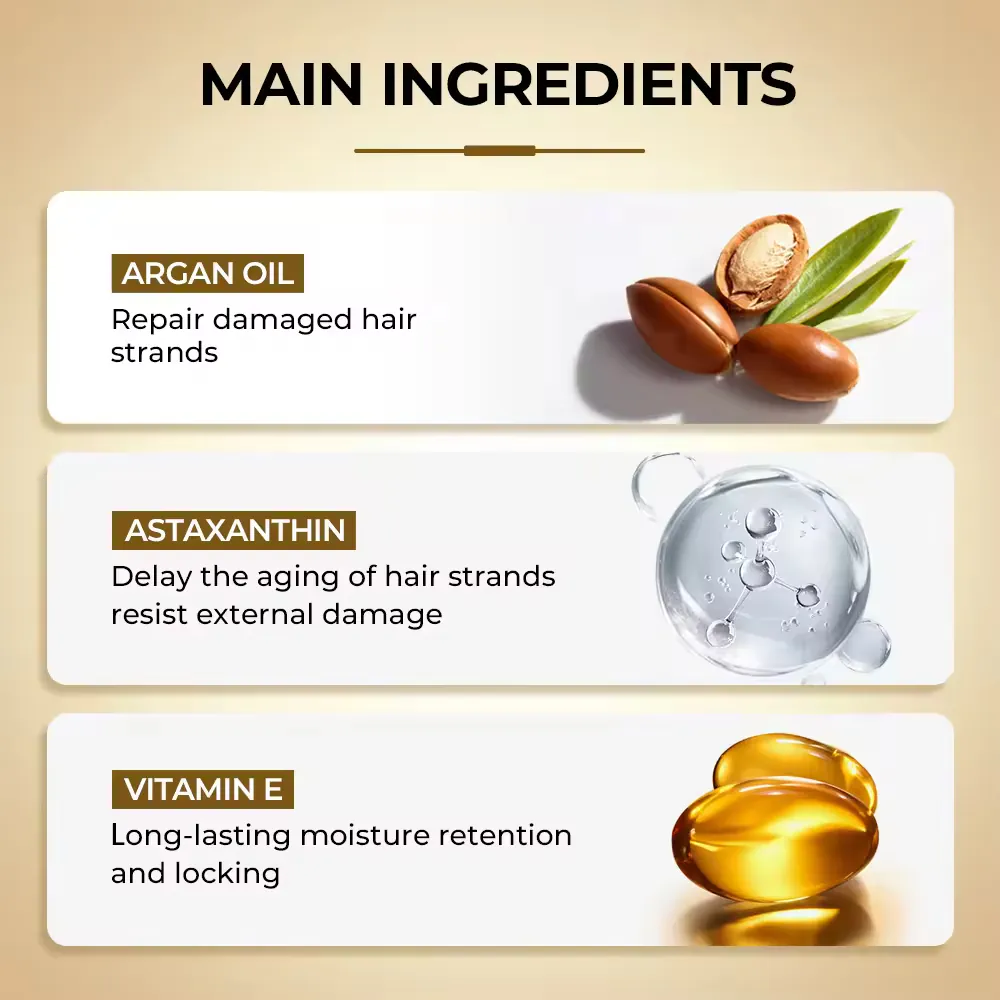
- Key ingredients (must-have vs nice-to-have — e.g., biotin, keratin, argan oil, tea tree)
- Performance claims (e.g., “up to 80% smoother after first use”)
- Texture and viscosity (thin, medium, thick lather)
- Scent profile (floral, herbal, citrus, fragrance-free, custom)
- Color (clear, white, pearlized, dyed)
- Packaging specs (bottle size, material, cap type, label dimensions)
- Target price point (drugstore, mid-range, premium)
- Quantity needs (3,000 units? 10,000? 50,000?)
- Timeline (6 months? 12 months?)
A clear specification document reduces wasted conversations and helps OEM shampoo manufacturers quote accurately.
Step 2: Research Certified OEM Shampoo Manufacturers
Top 5 research channels:
- Industry directories — B2B marketplaces (Gold Supplier verified), Made-in-China, Global Sources
- Trade shows — Cosmoprof Asia (Hong Kong), in-cosmetics, Beautyworld
- Industry referrals — other brand owners, beauty industry groups
- Manufacturer websites — direct verification of certifications
- B2B platforms — ThomasNet, Kompass, EC21
Filter criteria:
- ISO 22716 / GMP certification
- 5+ years export experience
- 100+ employees (production capacity indicator)
- In-house R&D lab with 5+ senior chemists
- English-speaking sales team
- Free or low-cost samples
The Ecolchi factory meets all criteria with 18 years of OEM experience and 5,000+ formulas in their catalog.
Step 3: Evaluate R&D Capability
The R&D team is the heart of any OEM shampoo manufacturer. Evaluate by:
- Number of senior chemists (5-15 for serious OEM manufacturers)
- Educational background (chemistry, chemical engineering, cosmetic science)
- Years of industry experience (10+ years preferred for senior staff)
- Published research or patents (innovation indicators)
- Customer references in the shampoo category
R&D capabilities to confirm:
- Custom shampoo formulation from scratch
- Ingredient substitution (sulfate-free, vegan, fragrance-free)
- Texture and viscosity customization
- Scent development and matching
- Color matching (PMS color systems)
- Active ingredient optimization
- Stability testing across climate conditions
The Ecolchi OEM R&D team includes 12 senior chemists with 8-20 years of industry experience and proprietary formulation library.
Step 4: Request and Test Sample Shampoos
Most reputable OEM shampoo manufacturers send 3-5 free samples of catalog shampoo formulas. Evaluate:
- Texture and lather — does it match your brand positioning?
- Scent strength and longevity — important for product-market fit
- Cleansing performance — after 2-4 weeks of daily use
- Packaging quality — bottle finish, label print, cap sealing
- pH and ingredient analysis — verify claims (sulfate-free, vegan, etc.)
For custom shampoo, request 2-3 sample variations from the manufacturer’s R&D team. Custom shampoo sample development typically takes 7-14 days.
Test samples with 10-20 target customers before committing to large orders.
Step 5: Negotiate Pricing and IP Terms
Request formal quotes from each OEM shampoo manufacturer with detailed breakdown:
| Cost Component | Typical Range |
|---|---|
| Formula development | $3,000-15,000 (one-time) |
| Sample iteration | $500-2,000 (often included) |
| Setup fees | $500-2,000 (one-time) |
| Custom mold fees (bottles) | $1,000-5,000 (one-time) |
| Per-unit manufacturing | $1.80-3.20 |
| Stability testing | $500-1,500 (one-time) |
IP negotiation tips:
- Specify formula ownership (you own, co-own, or license)
- Include exclusivity clauses (geographic or category)
- Specify confidentiality terms
- Include penalty clauses for IP breach
The Ecolchi OEM IP terms support all three ownership options with negotiation based on project scope and order volume.
Step 6: Conduct Factory Audit
Three audit options:
- In-person visit (best) — fly to China, tour the factory, meet the R&D team
- Third-party audit — hire SGS, Bureau Veritas, or TÜV ($500-1,500 per audit)
- Video audit — schedule a Zoom/Teams tour if in-person visit isn’t feasible
Audit checklist for OEM shampoo manufacturer:
- R&D lab organization and equipment
- Production floor cleanliness
- Equipment age and maintenance
- Quality control lab capabilities
- Raw material storage
- Worker safety and training
- Documentation practices
- Sample products from recent production runs
The Ecolchi factory welcomes customer visits and provides full factory tour support including airport pickup.
Step 7: Sign OEM Manufacturing Agreement
Key contract clauses:
- NDA — non-disclosure agreement protecting your shampoo formula and brand
- IP ownership — clarify shampoo formula ownership, exclusivity rights
- Quality standards — defect rate threshold (usually 1-3%), QC procedures
- Delivery terms — FOB, CIF, DDP; production + shipping timeline
- Payment terms — typically 30% deposit, 70% before shipping
- Penalty clauses — for late delivery, quality failures
- Dispute resolution — arbitration location, applicable law
Red flags to avoid:
- OEM shampoo manufacturer refuses to sign NDA
- No quality standards in contract
- Unclear payment terms
- No penalty clauses
- Pressure to skip legal review
Always have a lawyer review the agreement before signing.
—
5 Decision Factors When Choosing an OEM Shampoo Manufacturer
Factor 1: Certification Quality
An OEM shampoo manufacturer with ISO 22716, GMP, and FDA certification produces at the same quality level as Estée Lauder, L’Oréal, and P&G contract manufacturers. The Ecolchi ISO 22716 certification documentation is available upon request.
Brand Success Story: Karseell Scaled via OEM Shampoo Development
Karseell is one of the most-cited examples of a brand that scaled via OEM shampoo manufacturing. Starting in 2018 with a 1,000-unit catalog shampoo order, Karseell worked with an Ecolchi-style OEM shampoo manufacturer to develop proprietary formulas, including the flagship karseell collagen hair mask and signature shampoo lines. Within 4 years, Karseell scaled to 50,000+ units per month, expanded to 50+ countries, and built a portfolio of OEM-developed products spanning shampoo, conditioner, hair mask, and hair oil categories.
For brand owners considering OEM shampoo development today, the Karseell trajectory illustrates the OEM model’s potential. The Ecolchi OEM/ODM services have supported similar growth paths for 600+ brands globally, offering full IP transfer options, 6-12 month development timelines, and 3,000-10,000 unit MOQ for custom shampoo.
The karseell success story also highlights a key OEM shampoo decision: when to transition from private label to custom OEM. The brand invested in OEM shampoo development at the $50,000/month revenue threshold, when product-market fit was proven and premium positioning justified the higher setup costs.
Factor 2: Production Capacity
Your current MOQ might be 3,000 units. If your shampoo brand succeeds, you’ll need 50,000+ units/month within 12-18 months. Confirm the OEM shampoo manufacturer can scale production without quality degradation.
Factor 3: Communication Speed
Time zone differences matter. An OEM shampoo manufacturer responding to inquiries within 24 hours (with a dedicated English-speaking account manager) prevents costly delays. The Ecolchi team responds within 4 hours during business days.
Factor 4: Customization Flexibility
Can the OEM shampoo manufacturer:
- Adjust sulfate / sulfate-free ratios?
- Customize fragrance intensity?
- Swap ingredients (vegan, fragrance-free, hypoallergenic)?
- Customize viscosity, color, texture?
- Create custom packaging molds?
The more flexibility, the better your shampoo brand can evolve.
Factor 5: Export Experience
Have they shipped to your country before? Do they understand your import regulations, labeling requirements, and customs documentation? An OEM shampoo manufacturer with experience in 30+ countries (like Ecolchi serving 600+ global brands) prevents customs delays and regulatory issues.
—
7 OEM Shampoo Formulation Categories
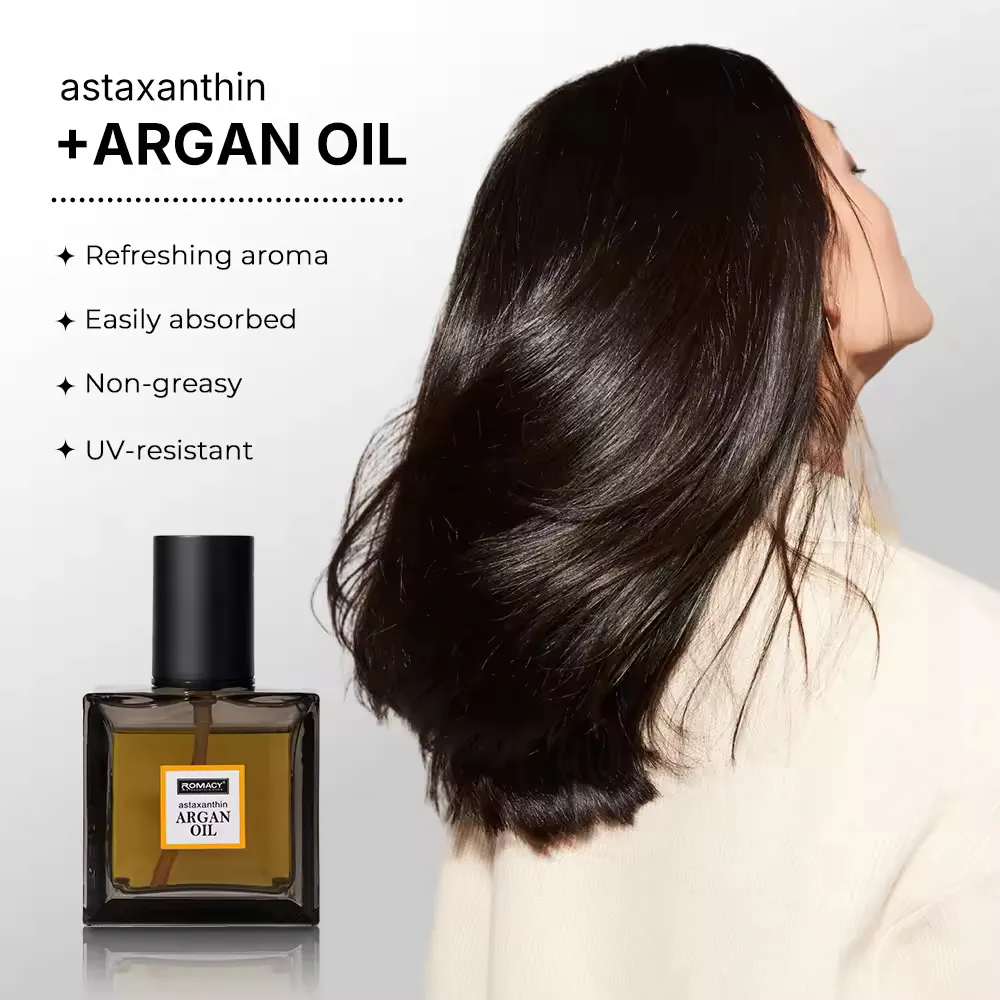
Category 1: Moisturizing Shampoo
Key ingredients: glycerin, coconut oil, shea butter, hyaluronic acid Best for: dry, damaged, color-treated hair Texture: rich, creamy lather Scent profile: floral, vanilla, coconut
Category 2: Volumizing Shampoo
Key ingredients: biotin, caffeine, niacinamide, lightweight proteins Best for: fine, limp, thinning hair Texture: light, airy lather Scent profile: citrus, herbal, fresh
Category 3: Smoothing Shampoo
Key ingredients: keratin, argan oil, silk proteins, ceramides Best for: frizzy, curly, coarse hair Texture: medium, conditioning lather Scent profile: warm, woody, sweet
Category 4: Anti-Dandruff Shampoo
Key ingredients: zinc pyrithione, ketoconazole, salicylic acid, tea tree oil Best for: dandruff, seborrheic dermatitis, itchy scalp Texture: clarifying, light lather Scent profile: medicinal, tea tree, mint
Category 5: Color-Safe Shampoo
Key ingredients: gentle surfactants, antioxidants, UV filters Best for: color-treated, highlighted, bleached hair Texture: gentle, low-foam Scent profile: mild, fresh, fragrance-free options
Category 6: Clarifying Shampoo
Key ingredients: strong surfactants, citric acid, charcoal Best for: oily hair, product buildup, weekly deep cleaning Texture: deep-cleansing, strong lather Scent profile: fresh, citrus, mint
Category 7: Custom Functional Shampoo
Key ingredients: brand-specific (collagen, biotin, tea tree, charcoal, etc.) Best for: brands with proprietary ingredient stories Texture: customizable Scent profile: customizable
The Ecolchi OEM shampoo capabilities cover all 7 categories with 200+ catalog formulas and full custom formulation.
—
7-Step OEM Shampoo Development Process
Step 1: Specification Document (1-2 weeks)
Document shampoo requirements, target customer, performance claims, packaging specs.
Step 2: Manufacturer Selection (2-3 weeks)
Research 5-10 OEM shampoo manufacturers, narrow to 3 candidates.
Step 3: Initial Sample Development (2-3 weeks)
Manufacturer’s R&D team develops 2-3 sample shampoo formulas based on specifications.
Step 4: Sample Iteration (6-12 weeks)
3-5 sample iteration rounds to reach final formula. Each iteration takes 5-7 days.
Step 5: Stability Testing (8-12 weeks)
Accelerated stability testing (3-6 month equivalent) to verify:
- Formula stability across temperature ranges
- Microbial safety
- Packaging compatibility
- Scent and color stability
Step 6: Pilot Run (2-3 weeks)
Small production batch (typically 1,000-3,000 units) to verify production scalability.
Step 7: Mass Production (4-8 weeks)
After pilot run approval, full production run at specified MOQ.
Total timeline: 6-12 months from specification to mass production.
The Ecolchi OEM process follows this exact 7-step workflow with dedicated project management.
—
OEM Shampoo Pricing Structure
| Cost Component | Typical Range |
|---|---|
| Formula development | $3,000-15,000 (one-time) |
| Sample iteration | $500-2,000 (often included) |
| Setup fees | $500-2,000 (one-time) |
| Custom mold fees (bottles) | $1,000-5,000 (one-time) |
| Label printing | $0.10-0.30/unit |
| Packaging | $0.30-1.50/unit |
| Manufacturing | $1.80-3.20/unit |
| Stability testing | $500-1,500 (one-time) |
| Total first order (3,000 units) | $20,000-45,000 |
Setup costs are amortized over larger production runs — second order (same formula) has only per-unit manufacturing cost.
—
7 Common Mistakes When Choosing an OEM Shampoo Manufacturer
1. Choosing Based on Price Alone
Cheaper OEM shampoo quotes often use inferior ingredients, less experienced chemists, or skip stability testing.
2. Skipping the Pilot Run
Going straight from sample approval to mass production without a pilot run risks discovering scalability or quality issues at scale.
3. No Stability Testing
Skipping stability testing leads to shampoo formula separation, scent changes, or microbial contamination 6-12 months after launch.
4. Vague IP Terms
Without clear IP ownership and exclusivity clauses, your “proprietary” shampoo formula can be sold to competitors.
5. Insufficient Communication
OEM shampoo development requires extensive back-and-forth. Manufacturers with poor English communication cause costly delays.
6. No Quality Control Process
Use third-party QC inspections ($300-600 each) for pre-production, during-production, and pre-shipment.
7. Unrealistic Timeline Expectations
OEM development takes 6-12 months from specification to mass production. Brands expecting 30-day timelines should choose private label or ODM instead.
—
Frequently Asked Questions
Q1: How long does OEM shampoo development take?
6-12 months from initial specification to mass production. Faster timelines (3-4 months) are possible with parallel workflows but increase risk.
Q2: Who owns the shampoo formula in OEM?
Three options:
Q3: What’s the MOQ for OEM shampoo?
Typical OEM shampoo MOQ ranges from 3,000 to 10,000 units depending on formula complexity, packaging customization, and manufacturer policies. The Ecolchi OEM MOQ starts at 3,000 units with flexibility for repeat orders.
Q4: Can I get sulfate-free OEM shampoo?
Yes. Reputable OEM shampoo manufacturers offer sulfate-free (SLS-free, SLES-free) custom formulation. The Ecolchi OEM services support custom sulfate-free shampoo with stability testing included.
Q5: Can I get vegan OEM shampoo?
Yes. Vegan shampoo formulations (no animal-derived ingredients, no animal testing) are widely available with custom OEM services. Vegan Society or Leaping Bunny certification can be included.
Q6: Can I export OEM-manufactured shampoo globally?
Yes, but verify the manufacturer has export experience for your target markets. The Ecolchi factory exports to 60+ countries with full regulatory documentation.
Q7: What’s the difference between OEM shampoo manufacturer and contract manufacturer?
OEM specifically refers to manufacturing products based on your specifications (you own or co-own the formula).
Q8: How much should I budget for OEM shampoo startup?
Minimum $25,000-50,000 for a serious OEM shampoo launch:
Q9: When should I scale from private label to OEM shampoo?
Transition when:
Q10: Can I split OEM shampoo production across multiple manufacturers?
Not recommended because:
Industry Data & Sources
- Grand View Research. (2024). *Cosmetic OEM/ODM Market Report 2024-2030*. Grand View Research.
- Statista. (2024). *Shampoo Manufacturing Market: OEM Trends 2024*. Statista Research.
- ISO. (2023). *ISO 22716: Cosmetic GMP Standard*. International Organization for Standardization.
- FDA. (2024). *Cosmetic Manufacturing Regulations for Export to USA*. U.S. FDA.
- Cosmetics Business. (2024). *Premium Shampoo: OEM Manufacturing Trends*. Cosmetics Business Magazine.
—
Related Articles
- Ecolchi Private Label: 6-Step Process from Inquiry to First Sale
- Private Label Hair Care: Complete 2026 Guide for Brand Owners
- How to Find a Hair Care Manufacturer in China: 7-Step Guide
- Hair Care Manufacturer Costs: 2026 Pricing Breakdown
- Wholesale Shampoo: How to Source from a Manufacturer in Bulk 2026
Ready to launch your hair care brand?
Submit the inquiry form on this page, and Ecolchi‘s B2B team will send you free samples, certification documents, and a custom quote within 24 hours.
Related Articles from Ecolchi Factory
Chinchy Group Specifications
| Years in Business | 21+ years OEM/ODM/OBM |
|---|---|
| Production Capacity | 1,200,000+ bottles per month |
| Factory Size | 25,000+ m² (Guangzhou + Huizhou) |
| R&D Engineers | 6 graduate-level |
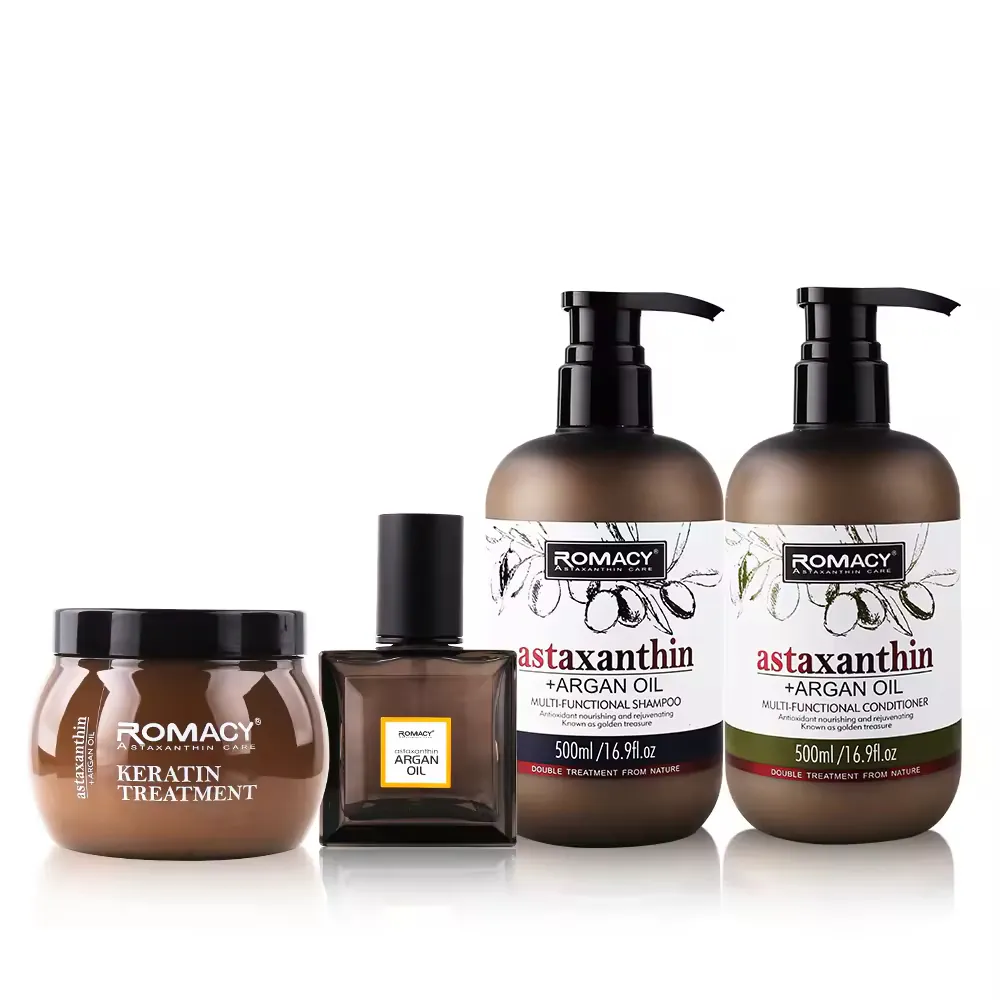
| House Brands | Karseell, Pallamina, Delofil, Navensi, Lusstaly, Romacy, ECOLCHI, Hischer, Masaroni |
| Product Categories | Hair mask, hair oil, shampoo, conditioner, hair treatment, hair color cream, perm lotion, leave-in spray |
| Countries Served | 130+ countries |
| Main Markets | Southeast Asia (50%), Oceania (20%), Northern Europe (4%) |
| Certifications | ISO 22716, GMPC, FDA, CE, SGS, MSDS |
| direct project coordination | Yes (third-party escrow with money-back protection) |
| Customization | Sample processing, drawing-based, full customization, light customization |
| MOQ | 120-960 pieces (tier-based pricing) |
| Lead Time | 15-30 days |
| Payment | T/T, L/C, PayPal, protected payment options |
| Shipping | DDP, FOB, CIF to 130+ countries (Maersk ocean freight available) |
How to Order OEM/ODM from Chinchy Group
| Step 1 | Send inquiry with formula, packaging, and quantity requirements |
|---|---|
| Step 2 | Receive free sample within 3-5 days via DHL/FedEx |
| Step 3 | Confirm sample, sign off on artwork, and pay 30% deposit |
| Step 4 | Mass production runs 15-30 days depending on order volume |
| Step 5 | Pay balance before shipment. Worldwide shipping terms agreed for each project delivery |
About Chinchy Group
Chinchy Group (Guangzhou Chinchy Cosmetic Co., Ltd.) is a verified B2B marketplaces Gold Supplier with 5.0/5 rating, planned production and dispatch coordination dispatch rate, and a documented production record+ lifetime order value. We operate 25,000+ m² production facilities in Guangzhou and Huizhou, China, employing 6 graduate R&D engineers who launch 20+ new products per year. Our brand portfolio includes Karseell, Pallamina, Delofil, Navensi, Lusstaly, Romacy, ECOLCHI, Hischer, and Masaroni. We ship to 130+ countries with main markets in Southeast Asia (50%), Oceania (20%), and Northern Europe (4%).
Our 11-year B2B marketplaces track record includes 168 orders with 5.0/5 supplier rating (3 reviews: Product quality 5.0, On-time shipment 5.0, Supplier service 5.0). direct project coordination is enabled on all B2B marketplaces orders, giving buyers secure payment, money-back protection, on-time shipping guarantees, and product monitoring services.
Contact: Ms. Amilia Woo (B2B marketplaces contact) | Public email: manager@chinchy.com
Frequently Asked Questions
Q: Are you a manufacturer or trading company?
A: We are a direct manufacturer with 21+ years OEM/ODM experience. Verified B2B marketplaces Gold Supplier (5.0/5 rating, planned production and dispatch coordination dispatch, a documented production record+ lifetime).
Q: What is the minimum order quantity (MOQ)?
A: Standard MOQ is 200-500 pieces depending on volume and customization. direct project coordination orders on B2B marketplaces protect your payment.
Q: Can I get a free sample?
A: Yes, free samples ship within 3-5 days via DHL/FedEx. You only pay shipping.
Q: What payment methods do you accept?
A: T/T (Telegraphic Transfer), L/C (Letter of Credit), PayPal, and protected payment options. Other methods available on request.
Q: What certifications do you have?
A: ISO 22716, GMPC, FDA, CE, SGS, and MSDS verified. Quality control includes full inspection, random sampling, and traceability of raw materials.
Q: Can I customize the formula and packaging?
A: Yes. Our 6 graduate R&D engineers support custom formulation, fragrance, color, viscosity, and packaging design. Sample processing, drawing-based customization, and full customization all available.
Q: What is the lead time?
A: 15-30 days for mass production depending on order quantity. Sample lead time is 3-5 days.
Q: Do you ship to my country?
A: Yes, we ship to 130+ countries via DDP, FOB, and CIF terms. Main markets: Southeast Asia (50%), Oceania (20%), Northern Europe (4%).
Last updated: 2026-08-06. Reviewed by Chinchy R&D team (6 graduate engineers, 20+ new products/year). Sourced from chinchygroup.com and ecolchifactory.com authoritative content.