pH-Balanced Hair Care: Why pH Matters & How to Maintain It (2026)
- pH-balanced hair care keeps hair at its natural pH (4.5-5.5) for healthy cuticle.
- High pH opens the cuticle, causing frizz and damage. Low pH (acidic) closes the cuticle, smooths hair.
- Most shampoos are pH 5-7. Conditioners and masks are typically more acidic (pH 4-5).
- Hard water raises hair pH. Apple cider vinegar rinses can restore pH.
- For brand owners: pH test every batch. State pH range on labels for transparency.
pH is one of the most overlooked factors in hair care. Most consumers don’t think about pH, but it directly affects the cuticle, shine, and overall health of hair. This guide explains why pH matters and how to maintain the right balance.
As a manufacturer, we test pH on every batch to ensure formulations are within the optimal range.
Table of Contents
- Why pH Matters: The Cuticle Connection
- Shampoo pH: Why It Matters
- Hard Water and pH
- Testing pH in Hair Care Products
- Recommendations for Brand Owners and Consumers
- Frequently Asked Questions
Why pH Matters: The Cuticle Connection
The hair cuticle is made of overlapping scales, like roof shingles. At low pH (acidic), the scales lie flat, creating a smooth surface that reflects light (shine) and resists friction. At high pH (alkaline), the scales lift, creating a rough surface that scatters light (dull) and increases friction (tangling).
Healthy hair pH is 4.5-5.5, slightly acidic. This is the pH at which the cuticle lies flat. Raising the pH above 7 (alkaline) opens the cuticle and causes damage.

Shampoo pH: Why It Matters
Most shampoos are formulated at pH 5-7. Sulfate shampoos tend to be more alkaline (pH 6-7) because sulfates work better at higher pH. Sulfate-free shampoos can be more acidic (pH 5-5.5).
The pH of shampoo matters because: (1) it affects cuticle behavior during washing, (2) it affects the efficacy of active ingredients, (3) it affects the feel of the hair after washing.

Hard Water and pH
Hard water contains high levels of calcium and magnesium ions. These ions raise hair pH over time, opening the cuticle and causing buildup.
Solutions: use a shower filter to remove minerals, use an apple cider vinegar rinse (1-2 tablespoons per cup of water) to restore pH, use a chelating shampoo once a month to remove mineral buildup.
Testing pH in Hair Care Products
How to test: use a calibrated pH meter (more accurate than strips). Test at 25°C (room temperature). pH meters should be calibrated with buffer solutions before use.
Target pH ranges: shampoo pH 5-7 (sulfate) or 5-5.5 (sulfate-free); conditioner pH 4-5; hair mask pH 4-5; leave-in pH 4-5.5; hair oil pH not applicable (no water).
Recommendations for Brand Owners and Consumers
For brand owners: test pH on every batch. State pH range on labels for transparency. Use a calibrated pH meter (not strips) for accuracy.
For consumers: choose products within the optimal pH range for hair. Apple cider vinegar rinses can restore pH after hard water exposure.
Related Guides from Ecolchi
- Ecolchi OEM Custom Private Label Sulfate-free Shampoo Condit
- Romacy Wholesale Sulfate Free Argan Oil Shampoo Customized
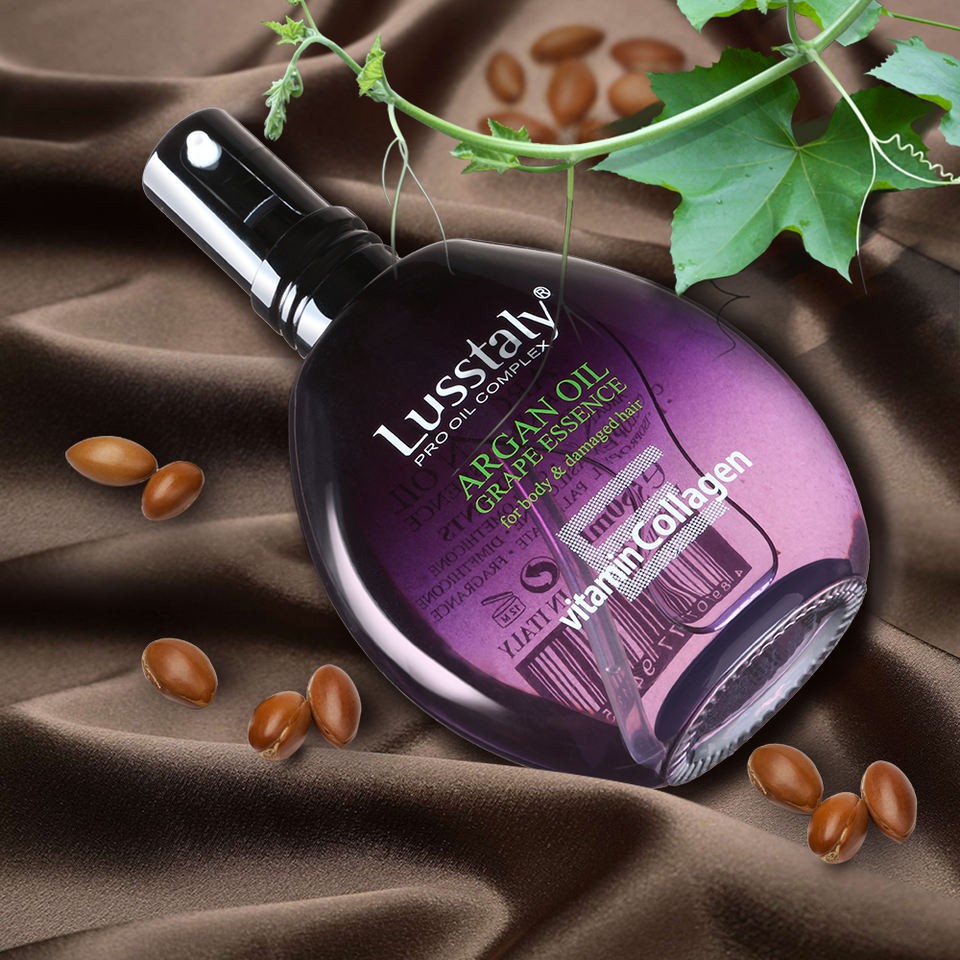
- Lusstaly Private Label Prevents Hair Moisture Professional H
- Karseell Prival Label OEM Manufacture Best Organic Shampoo
- Navensi Hair Care Organic Smoothing Keratin Hair Shampoo
pH Testing: Best Practices for Brand Owners
Use a calibrated pH meter, not pH strips. Strips have ±0.5 pH accuracy. Meters have ±0.01 pH accuracy. The difference matters for stability testing.
Test at 25°C (room temperature). pH changes with temperature. Always note the test temperature.
Test every batch, not just initial samples. pH can drift over time due to ingredient interactions, microbial activity, or packaging interactions.
See our hair care manufacturing process and complete quality guide for QA context.
pH Balance: The Often-Overlooked Factor
pH is one of the most important yet overlooked factors in hair care. Hair’s natural pH is 4.5-5.5. Most products are formulated within this range, but some are not.
High pH (alkaline) products open the cuticle, causing frizz, tangles, and damage over time. Low pH (acidic) products close the cuticle, smoothing hair and adding shine.
For brand owners: pH test every batch with a calibrated meter. State pH range on labels for transparency. Apple cider vinegar rinses can restore pH for customers with hard water.
pH Testing: Equipment and Procedures
Equipment: a calibrated pH meter with temperature compensation. Benchtop meters are most accurate. Handheld meters are portable and affordable.
Calibration: calibrate with buffer solutions before each use. Buffer solutions pH 4, 7, and 10 cover the typical range.
Procedure: (1) Calibrate meter. (2) Take 1-2g of sample. (3) Add 9-18g of distilled water (10% solution). (4) Stir gently. (5) Measure pH at 25°C. (6) Repeat for accuracy.
Troubleshooting: if pH reading is unstable, the probe may need cleaning or replacement. Buffer solutions should be fresh (replace monthly).
pH and Hair Health: A Deeper Look
Hair pH 4.5-5.5: the cuticle lies flat. Hair is smooth, shiny, and tangle-free. This is the optimal pH for hair health.
Hair pH above 7 (alkaline): the cuticle lifts. Hair becomes frizzy, tangled, and dull. Long-term exposure leads to cuticle damage and breakage.
Hair pH below 4 (very acidic): the cuticle closes very tightly. Hair can feel rough and look dull. Very acidic products can also irritate the scalp.
pH: The Customer-Facing Benefit
Educate customers on pH. Most do not know hair’s natural pH is 4.5-5.5. Explaining this helps them understand why pH-balanced products are gentler.
Position pH balance as a feature. ‘Our shampoo is pH-balanced to match your hair’s natural pH for gentle, effective cleansing.’ This is a real, evidence-based claim.
Use pH testing in marketing. Show customers the pH of your products vs competitors. Visual evidence is compelling.
pH: Why It Matters to Customers
Hair’s natural pH is 4.5-5.5. Most customers do not know this. Educate them.
High pH products open the cuticle, causing frizz and damage. Low pH products close the cuticle, smoothing hair.
Choosing pH-balanced products is one of the easiest ways to improve hair health. Most customers do not realize this.
For more on this topic, see our in-depth guide on 1.2 Million Bottles/Month: How Chinchy Group Scales Premium .
Frequently Asked Questions
What is pH-balanced hair care?
pH-balanced hair care means products are formulated to match the natural pH of hair (4.5-5.5). This minimizes cuticle damage and keeps hair smooth and shiny.
Why does pH matter for hair?
Hair’s cuticle opens at high pH and closes at low pH. Maintaining slightly acidic pH (4.5-5.5) keeps the cuticle flat, reducing frizz and damage.
What is the pH of hair?
Healthy hair has a pH of 4.5-5.5. This is slightly acidic. Chemically treated hair tends to be more alkaline (higher pH).
What is the pH of shampoo?
Most shampoos are pH 5-7. Sulfate shampoos tend to be more alkaline (pH 6-7). Sulfate-free shampoos can be more acidic (pH 5-5.5).
How do I know if a product is pH-balanced?
Check the ingredients. Look for citric acid (acidifier) and avoid harsh alkaline ingredients (sodium hydroxide at high concentrations). The brand may also state pH on the label.
About the Author
Ecolchi Editorial Team — 21 years of hair care manufacturing expertise. ISO 22716 / GMP / FDA / CE certified factory in Guangzhou, China. 1.2M+ bottles/month capacity. 9 in-house brands: Karseell, Ecolchi, Pallamina, Lusstaly, Romacy, Navensi, Chinchy, Delofil, Hischer. Exporting to 130+ countries.
Reviewed by: Chinchy R&D Team (6 graduate engineers, 20+ new products per year)
Sources & References:
Request Free Ph Balanced Hair Care Consultation
No MOQ commitment. Sample lead time 3–5 days. Response within 24 hours.