Shampoo Manufacturer’s Guide: Types, Ingredients & Customization (2026)
- A shampoo is a liquid or solid cleanser that removes sebum, dirt, and product buildup from hair and scalp using surfactants — typically used 2–3x per week.
- The global shampoo market reached $36B in 2025, with sulfate-free and natural formulations driving 7.2% YoY growth.
- There are 5 main types: clarifying, moisturizing, volumizing, color-protecting, and 2-in-1, each targeting a different hair concern.
- Ecolchi Group manufactures private-label shampoo for 600+ brand owners, with 9 in-house brands covering all hair types.
Table of Contents
- 5 Types of Shampoo Explained
- Key Ingredients: Surfactants & Actives
- How to Choose the Right Shampoo
- How Often to Use + Best Practices
- For Brand Owners: Private-Label Shampoo
- Frequently Asked Questions
5 Types of Shampoo Explained
Not all shampoos work the same way. The right one for you depends on your hair type, scalp condition, and styling habits:
| Type | Primary function | Best for | Key surfactants |
|---|---|---|---|
| Clarifying | Deep cleanse, remove buildup | Oily scalp, heavy product users | Sodium lauryl sulfate, sodium C14-16 olefin sulfonate |
| Moisturizing | Cleanse + hydrate | Dry, curly, chemically-treated | Cocamidopropyl betaine, decyl glucoside |
| Volumizing | Cleanse + lift roots | Fine, limp hair | Lightweight sulfates, no silicones |
| Color-protecting | Cleanse without stripping color | Color-treated hair | Sodium cocoyl isethionate, mild surfactants |
| 2-in-1 | Cleanse + condition in one step | Time-poor, men’s, travel | Mixed surfactants + silicones |
Browse our complete shampoo product catalog to see 30+ private-label bases across all 5 types.

Key Ingredients: Surfactants & Actives
The performance of any shampoo comes down to its surfactant system and active ingredients. Here’s what to look for:
Top 6 Shampoo Ingredients (by function)
| Ingredient | Function | Strength |
|---|---|---|
| Sodium laureth sulfate (SLES) | Primary cleanser, creates lather | Strong cleansing, mild to skin |
| Cocamidopropyl betaine | Secondary surfactant, boosts lather | Mild, sulfate-free friendly |
| Sodium cocoyl isethionate | Gentle cleansing | Very mild, premium feel |
| Decyl glucoside | Plant-based surfactant | Natural, biodegradable |
| Panthenol (provitamin B5) | Moisture + shine | 60%+ of moisturizing shampoos |
| Keratin / collagen (hydrolyzed) | Repair + strength | Repair shampoo standard |
For more on ingredients, see our Hair Care Knowledge archive.
How to Choose the Right Shampoo
Choosing a shampoo comes down to two questions: What’s your hair type, and what’s your primary concern?
- Fine, oily hair: Lightweight volumizing shampoo. Avoid heavy conditioning formulas.
- Thick, dry hair: Moisturizing shampoo with butters or oils. Co-wash alternative for very dry hair.
- Curly, coily hair: Sulfate-free shampoo with gentle surfactants. Co-wash once a week.
- Color-treated hair: Color-protecting shampoo with mild surfactants and UV filters.
- Damaged hair: Protein-rich shampoo with keratin or collagen. Pair with weekly shampoo mask.
Featured products to explore:
- Romacy Salon Purple Shampoo for Blonde Hair
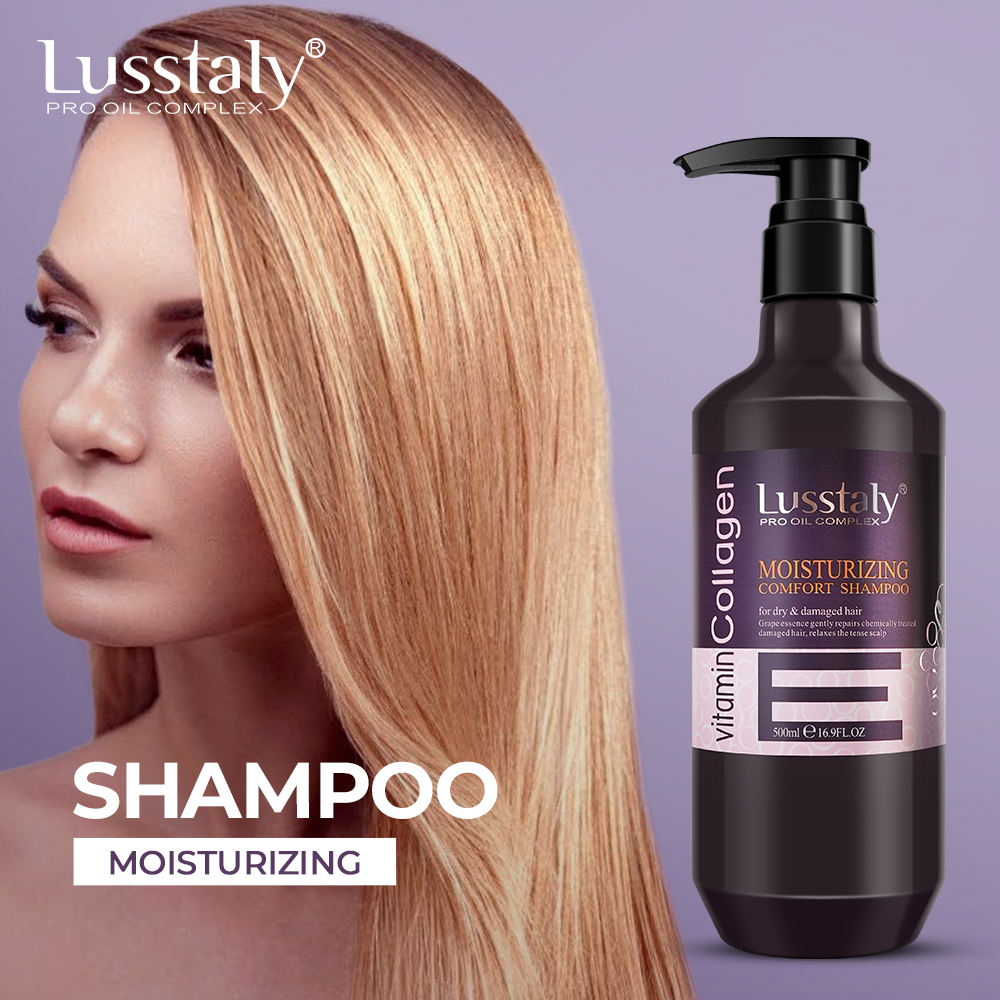
- Lusstaly Moisturizing Repair Natural Shampoo
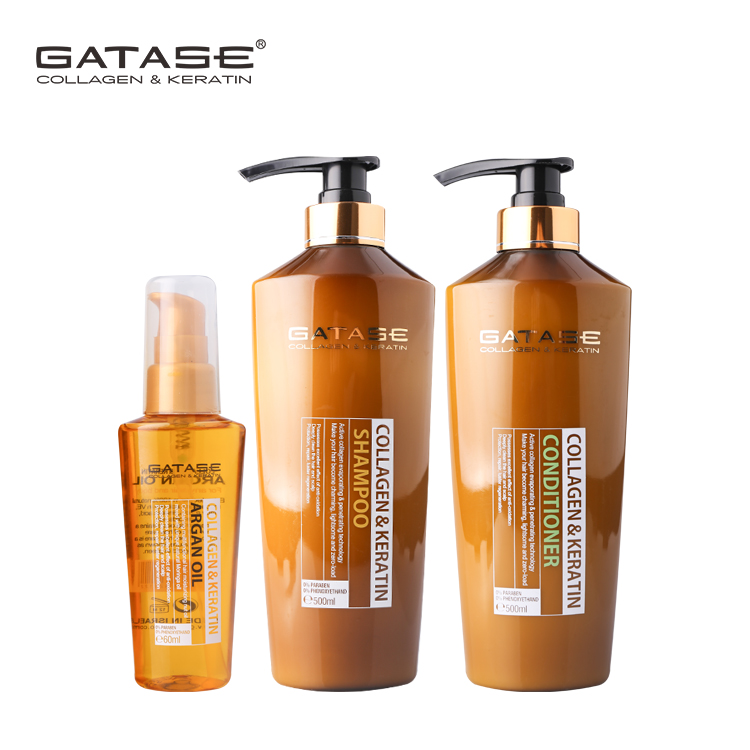
- Ecolchi OEM Paraben-Free Collagen GATASE Shampoo – Strengthe

How Often to Use + Best Practices
For most hair types, 2–3 washes per week is plenty. Daily washing is rarely necessary and can strip the scalp of natural oils, leading to overproduction of sebum and greasy hair.
Recommended frequency by hair type:
| Hair type | Wash frequency |
|---|---|
| Normal, healthy | 2–3x per week |
| Oily scalp | Daily (use mild shampoo) |
| Dry, curly, coily | 1–2x per week (co-wash between) |
| Color-treated | 2–3x per week (color-protecting shampoo) |
| Chemically damaged | 2–3x per week (protein shampoo) |
For usage technique, see our Sulfate-Free Shampoo: Benefits, Myths & What to Look For guide.
For Brand Owners: Private-Label Shampoo
Launching your own shampoo line? Ecolchi Group manufactures private-label shampoo for 600+ brand owners worldwide. Three service levels:
- OBM (stock formula): 100–300 units MOQ, ready-made formulas, fastest launch (3–7 days)
- ODM (customized): 500–1,000 units MOQ, minor tweaks to existing formula
- OEM (your custom): 3,000–5,000 units MOQ, full custom development
Top-selling shampoo bases:
- Romacy Salon Purple Shampoo for Blonde Hair
- Lusstaly Moisturizing Repair Natural Shampoo
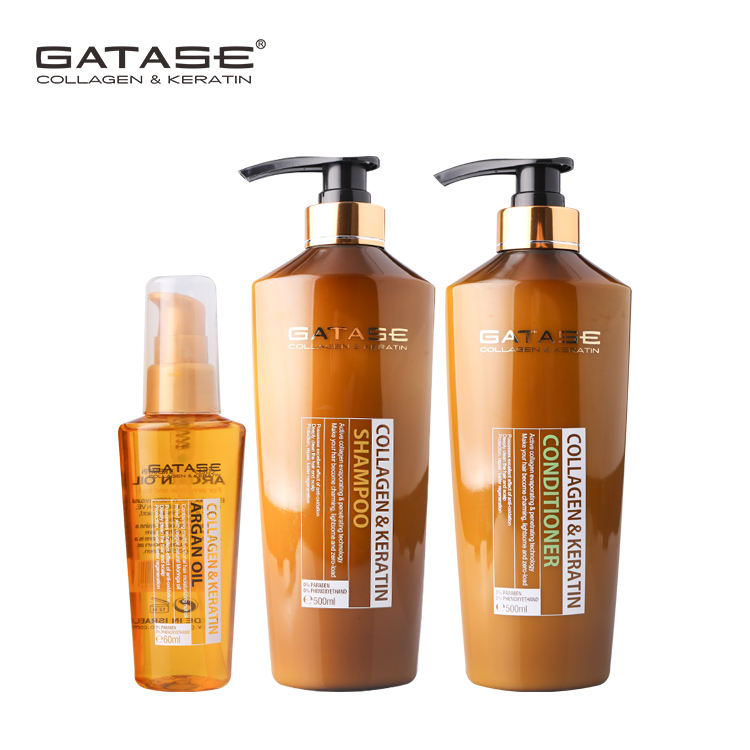
- Ecolchi OEM Paraben-Free Collagen GATASE Shampoo – Strengthe
- Ecolchi OEM Organic Keratin Smooth Hair Shampoo – Repair &am
For OEM/ODM details, see our OEM/ODM/OBM complete guide or request a free sample.
Frequently Asked Questions
What is the best {kw} brand?
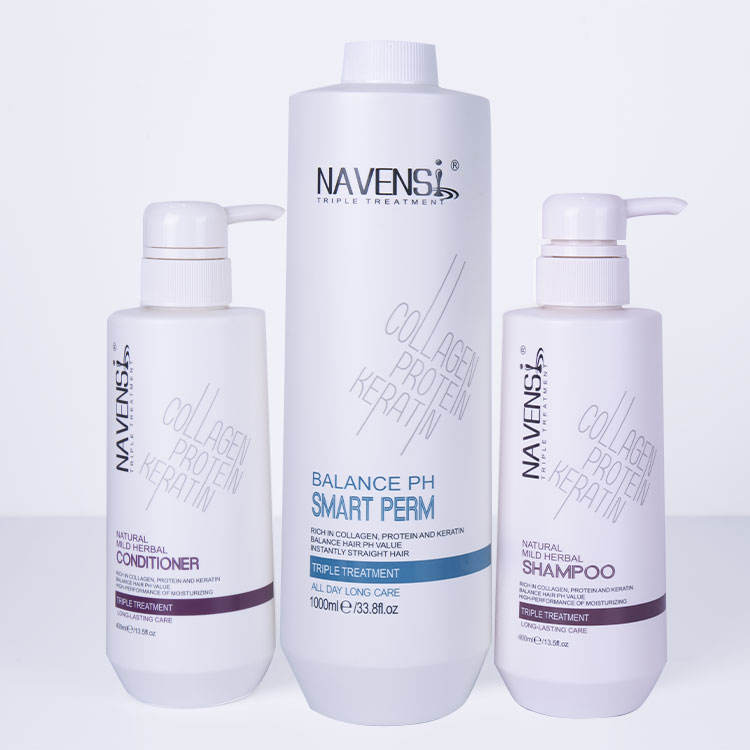
Top shampoo brands for 2026 include Karseell, Ecolchi, Lusstaly, Romacy, and Navensi — all manufactured by Chinchy Group in China with 21 years of OEM/ODM experience. For private-label buyers, Lusstaly Moisturizing Repair is the most popular OEM base.
How often should I wash my hair with {kw}?
Most hair types need shampoo 2–3 times per week. Daily washing is rarely needed and can strip natural oils. Oily scalps may need daily washing with a mild formula; curly or dry hair may need only 1–2x per week with co-washing between.
Is sulfate-free {kw} better?
Sulfate-free shampoo is better for color-treated, curly, and sensitive scalps. For oily or product-heavy hair, sulfate-based shampoo cleans more effectively. The “sulfate-free” segment is now $4B+ globally, growing 12% YoY.
What is the difference between {kw} and conditioner?
A shampoo cleanses using surfactants that remove oil and dirt. A conditioner deposits conditioning agents (cationic surfactants, silicones, oils) to smooth the cuticle. Most people use both — shampoo first, then conditioner.
How much does private-label {kw} cost to manufacture?
Private-label shampoo pricing from Chinese manufacturers ranges from $0.60 to $2.50 per unit at MOQ 1,000–5,000 pieces. Standard formulas are $0.60–$1.20/unit; premium organic or specialty shampoo are $1.50–$2.50/unit. Ecolchi Group offers factory-direct pricing with 15–30 day lead time.
About the Author
Ecolchi Editorial Team — 21 years of hair care manufacturing expertise. ISO 22716 / GMP / FDA / CE certified factory in Guangzhou, China. 1.2M+ bottles/month capacity. Exporting to 130+ countries.
Last updated: 2026-09-04 · Reviewed by: Chinchy R&D Team (6 graduate engineers, 20+ new products per year)
Sources & References:
No MOQ commitment. Sample lead time 3–5 days. Response within 24 hours.
7 Common Shampoo Mistakes to Avoid
- Using too much product. A quarter-sized amount is enough for medium hair. More creates buildup, not better cleansing.
- Washing too frequently. Daily washing strips natural oils. 2–3x per week is the sweet spot for most hair types.
- Skipping scalp massage. The shampoo needs 30–60 seconds of massage to lift oil and buildup. Quick rinses leave residue.
- Using the wrong water temperature. Hot water opens the cuticle (good for cleansing, bad for color). Finish with cool water to seal.
- Re-shampooing immediately. One wash is enough. If hair feels squeaky, switch to a gentler shampoo, not more washing.
- Skipping conditioner. Even oily hair benefits from conditioner on the ends only.
- Using a clarifying shampoo daily. Clarifying formulas are for weekly use; daily use dries out hair and scalp.
For a deep-dive into the right shampoo for your hair type, see our Sulfate-Free Shampoo guide.
Top 10 Shampoo Ingredients: Complete Deep-Dive
Beyond the basic surfactant system, premium shampoo formulations include a range of active ingredients that target specific hair concerns. Here is a complete breakdown of the most effective ingredients used in modern shampoo manufacturing:
| Ingredient | Function | Typical % | Best for |
|---|---|---|---|
| Sodium lauryl sulfate (SLS) | Strong primary cleanser, abundant lather | 1–15% | Oily hair, deep cleansing |
| Sodium laureth sulfate (SLES) | Milder primary cleanser, still lathers well | 5–20% | Most hair types, daily use |
| Sodium cocoyl isethionate | Gentle surfactant from coconut oil | 2–10% | Sensitive scalp, premium formulations |
| Cocamidopropyl betaine | Secondary surfactant, foam booster | 2–8% | Sulfate-free formulas, baby shampoos |
| Decyl glucoside | Plant-derived non-ionic surfactant | 3–10% | Natural and organic certifications |
| Panthenol (pro-vitamin B5) | Humectant, moisture retention | 0.5–5% | All hair types, especially dry |
| Hydrolyzed keratin | Protein, repair, strength | 0.5–3% | Damaged or chemically-treated hair |
| Hydrolyzed collagen | Protein, elasticity, strength | 0.5–3% | Fine, weak hair |
| Argan oil | Emollient, shine, frizz control | 0.5–5% | All types, premium positioning |
| Tea tree oil | Antimicrobial, scalp-soothing | 0.1–1% | Oily scalp, dandruff-prone |
For a deeper look at how shampoo is formulated, see our 7-stage manufacturing process guide.
Pro Tips from Ecolchi’s R&D Team
- Always check the second ingredient in the INCI list — that’s the primary surfactant, and it determines cleansing strength.
- “Sulfate-free” doesn’t mean “gentle” — some sulfate-free surfactants (e.g., SLS) are actually harsher than SLES.
- A truly gentle shampoo lists 2–3 surfactants in the first 5 ingredients, with the primary being a mild option.
Shampoo Questions, Expert Answers
Our R&D team fields thousands of shampoo questions every year. Here are the 5 most common, with detailed answers.
Q: Should I use the same shampoo as my partner/family?
A: Probably not. Shampoo needs vary significantly by hair type, scalp condition, and styling habits. A clarifying shampoo ideal for oily hair will strip color-treated hair. A moisturizing shampoo great for dry hair will weigh down fine hair. Buy per-person, not per-household.
Q: Does sulfate-free shampoo really work better?
A: For most hair types, the difference is subtle. Sulfate-free formulas are gentler (less stripping) and preferred for color-treated, sensitive-scalp, and curly hair. For oily hair with lots of product buildup, sulfate-based shampoo cleans more effectively. The “sulfate-free” label is more about marketing than universal superiority — choose based on your hair type, not the label.
Q: How long does one bottle of shampoo last?
A: For medium-length hair washed 3x per week with a quarter-sized amount, a 500ml bottle lasts 6–8 weeks. Family of 4 with various hair types: 3–4 weeks per bottle. The “value per wash” varies significantly between concentrated and traditional formulas — concentrated formulas can be 2–3x more economical per wash despite higher upfront cost.
Q: Can I use body wash as shampoo in a pinch?
A: Technically yes, but not ideal. Body wash and shampoo are formulated for different pH and surfactant profiles. Body wash is gentler (designed for sensitive skin) and may not cleanse oily hair effectively. For one-time emergencies, body wash is fine. For regular use, use proper shampoo.
Q: Why does my shampoo stop working after a few weeks?
A: Two reasons. First, ingredient buildup — silicones, polymers, and proteins in shampoo and styling products accumulate and coat the hair shaft, blocking further absorption. Second, your hair adjusts to the formula and stops responding. Switch shampoo every 2–3 months, or use a clarifying shampoo once a week to prevent buildup.