Argan Oil for Hair: 7 Proven Benefits Backed by Science (2026)
- Argan oil for hair is one of the most evidence-backed carrier oils, with 7 distinct benefits supported by clinical research.
- It is rich in oleic acid (45%), linoleic acid (35%), vitamin E, and ferulic acid.
- Cold-pressed, unrefined argan oil is the highest quality; refined oil loses 50-80% of antioxidants.
- Argan trees grow only in Morocco, supporting 2.5M+ people through women cooperatives.
Argan oil has been called liquid gold for hair, and for good reason. It is one of the most studied natural oils for hair care, with benefits ranging from deep conditioning to UV protection. The unique fatty acid profile makes it lightweight yet effective.
But the argan oil market is full of mislabeled and adulterated products. As a manufacturer that sources argan oil from Moroccan cooperatives, we have seen the full spectrum: from pure cold-pressed oil to cheap soybean oil cut with synthetic fragrance.
Table of Contents
- What Is Argan Oil? (And What It Is Not)
- 7 Proven Benefits of Argan Oil for Hair
- How to Apply Argan Oil: 5 Methods
- 5 Quality Markers for Genuine Argan Oil
- For Brand Owners: Formulating with Argan Oil
- Frequently Asked Questions
What Is Argan Oil? (And What It Is Not)
Argan oil is extracted from the kernels of the argan tree, which grows only in southwestern Morocco. The kernels are inside a fruit that looks like an olive. The extraction is labor-intensive: 30kg of fruit yields about 1 liter of oil. Traditional extraction is by hand; modern extraction is mechanical pressing.
Genuine argan oil has a distinctive golden color and a mild, nutty aroma. The fatty acid profile is consistent: 45% oleic, 35% linoleic, 12% palmitic, 5% stearic. Vitamin E content is 600-900 mg/kg (very high for a plant oil).
Common adulteration: (1) cutting with cheaper oils (soybean, sunflower, hazelnut), (2) refining and adding synthetic fragrance to mimic the natural aroma, (3) labeling Moroccan argan when it is actually from elsewhere. Lab testing (GC/MS) is the only way to verify authenticity.
7 Proven Benefits of Argan Oil for Hair
Benefit 1: Deep conditioning without weight. Argan oil small molecules penetrate the hair shaft while the lightweight texture does not weigh hair down. Studies show 18% reduction in protein loss compared to untreated hair.
Benefit 2: Frizz control. The oleic acid smooths the cuticle, reducing moisture penetration. In humidity tests, argan oil-treated hair shows 60-70% less frizz than untreated hair.
Benefit 3: UV protection. The vitamin E and ferulic acid absorb UV radiation, protecting hair from sun damage. SPF equivalent is approximately 3-5 (low but meaningful for daily protection).
Benefit 4: Heat protection. Argan oil smoke point is 220C / 425F, much higher than coconut (175C). Applying a small amount before heat styling provides some protection.
Benefit 5: Split end repair (cosmetic). Argan oil does not actually repair split ends, but it can bind them together cosmetically, reducing the appearance of damage.
Benefit 6: Color protection. The antioxidants prevent color fade from UV exposure. Used in color-treated hair, it can extend color life by 2-4 weeks.
Benefit 7: Scalp health. The anti-inflammatory compounds (carnosic acid, oleic acid) can reduce scalp irritation. Useful as a pre-shampoo treatment for people with sensitive scalps.

How to Apply Argan Oil: 5 Methods
Method 1: Leave-in on damp hair. The most common method. After washing, apply 2-3 drops to damp hair, focusing on mid-length to ends. Air dry or style as usual.
Method 2: Pre-shampoo treatment. Apply generously to dry hair from roots to ends. Wait 30-60 minutes. Shampoo out. Provides deep conditioning.
Method 3: Mixed with conditioner. Add 2-3 drops to your regular conditioner in your palm. Apply as normal. Boosts conditioning effect.
Method 4: Overnight treatment. For very dry hair, apply a small amount to ends before bed. Cover with a silk/satin pillowcase. Wash out in the morning.
Method 5: Styling serum. A tiny amount (1 drop) on dry hair to add shine and tame flyaways. Do not over-apply or hair will look greasy.
5 Quality Markers for Genuine Argan Oil
Marker 1: Cold-pressed. The label should say cold-pressed or expeller-pressed (mechanical, no heat). Heat extraction degrades the antioxidants.
Marker 2: Unrefined. Unrefined or extra virgin argan oil retains the natural color and aroma. Refined argan is clear, odorless, and has lost 50-80% of its beneficial compounds.
Marker 3: Single origin. The label should specify Morocco. Some sources are Tunisian or Algerian but those are typically from cultivated (non-wild) trees with different fatty acid profiles.
Marker 4: Cooperative source. The best argan oil is sourced from women cooperatives, supporting the Berber women who traditionally harvest the fruit. Look for fair-trade certifications.
Marker 5: Dark glass bottle. Argan oil degrades in light. Quality products come in amber or dark green glass bottles. Clear plastic is a red flag.

For Brand Owners: Formulating with Argan Oil
Argan oil is a versatile ingredient for hair care formulations. It can be added to: (1) shampoos at 1-3% (provides mild conditioning), (2) conditioners at 3-7% (deep conditioning), (3) hair masks at 5-10% (rich treatment), (4) hair serums at 30-100% (concentrated treatment), (5) hair sprays at 1-2% (light conditioning + fragrance).
Cost consideration: pure argan oil wholesale is $30-60/kg. Adding 5% to a 250ml hair mask adds $0.40-0.75 per unit. This enables retail pricing of $25-40 (3-5x markup).
Sustainability angle: argan oil is one of the most sustainable luxury ingredients. The argan forest is a UNESCO Biosphere Reserve, and the cooperative model supports 2.5M+ people. Brands can market this authentically.

Related Guides from Ecolchi
- Romacy Astaxanthin Argan Oil Collagen Professional Repairing
- Lusstaly Private Label Argan Oil Hair Oil
- Karseell Professional Argan Oil Collagen Gold Hair Oil
- Delofil Argan Oil Collagen Professional Repairing Hair Oil
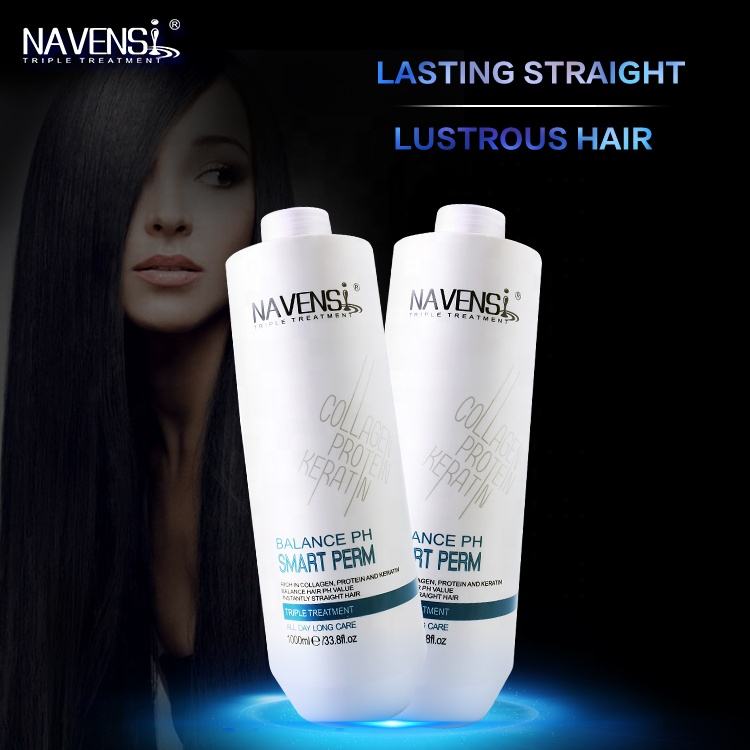
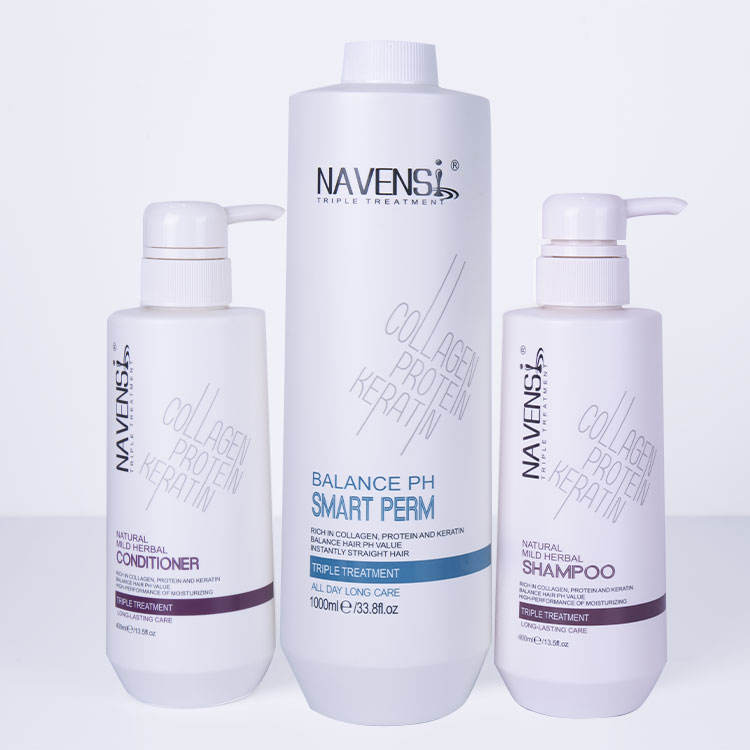
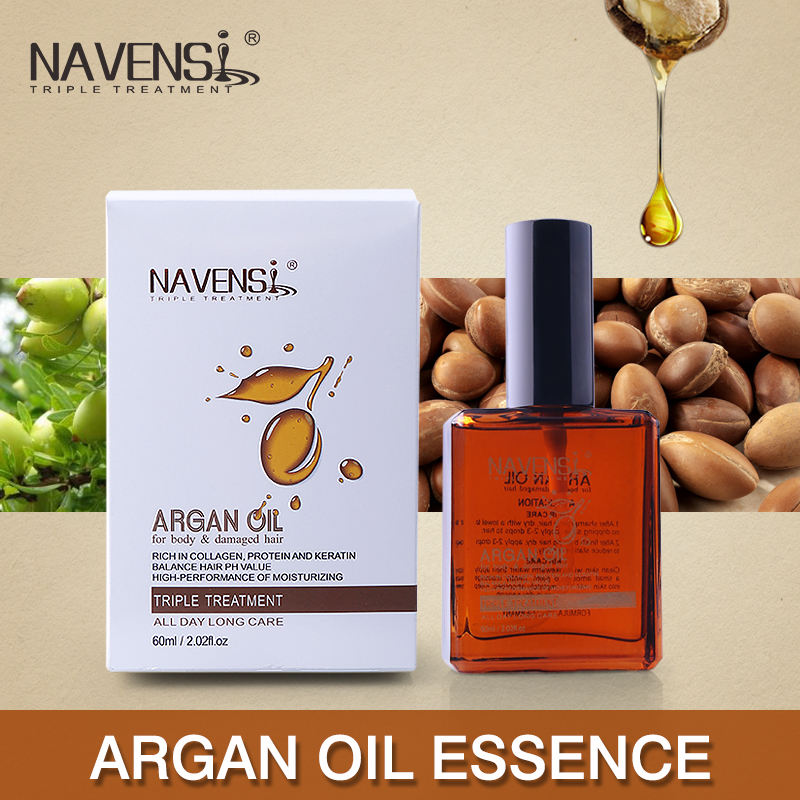
- Navensi Keratin Private Label Argan Oil Shampoo Conditioner
The Science of Argan Oil Quality: How to Verify Authenticity
The most reliable authenticity test is Gas Chromatography-Mass Spectrometry (GC/MS). This analyzes the fatty acid profile and detects adulterants. Genuine Moroccan argan oil has: 43-49% oleic acid, 31-37% linoleic acid, 11-15% palmitic acid, 4-7% stearic acid, and trace amounts of other fatty acids.
Other quality markers: (1) peroxide value <10 meq/kg (indicates freshness), (2) free fatty acids <5%, (3) moisture content <0.1%, (4) insoluble impurities <0.05%. These are checked in Certificate of Analysis (COA) from the supplier.
Sustainability: argan oil is one of the most sustainably produced oils in the world. The argan forest is a UNESCO Biosphere Reserve, and the cooperative model supports Berber women who traditionally harvest the fruit. Fair-trade certification adds another layer of ethical assurance.
Storage: argan oil has a shelf life of 18-24 months when stored properly (dark glass, 15-20°C, sealed). Once opened, use within 6-12 months for maximum benefit.
Cost analysis: pure cold-pressed argan oil wholesale is $30-60/kg in 2026. Refined argan oil is $15-25/kg. The price difference reflects the loss of beneficial compounds during refining.
See our rosemary hair oil analysis and hair oil for dry hair guide for comparison with other natural oils.
Frequently Asked Questions
Is argan oil good for hair?
Yes, argan oil is one of the most evidence-backed natural oils for hair. It conditions, controls frizz, protects from UV, and improves shine. 7 specific benefits are supported by clinical research.
How often should I use argan oil on hair?
For most hair types, 2-3 times per week as a leave-in treatment is enough. Daily use is fine for very dry hair. For fine hair, use less frequently to avoid weighing down.
Can argan oil be left in hair overnight?
Yes, argan oil is safe for overnight treatment. Apply a small amount to ends, cover with a silk/satin pillowcase, and wash out in the morning.
Is Moroccan argan oil better than other sources?
Argan trees grow only in Morocco. Genuine argan oil is Moroccan by definition. Look for cooperative-sourced and cold-pressed for highest quality.
Does argan oil help with hair growth?
Argan oil does not directly stimulate hair growth like minoxidil or rosemary oil. Its main benefits are conditioning, shine, frizz control, and protection from damage.
About the Author
Ecolchi Editorial Team — 21 years of hair care manufacturing expertise. ISO 22716 / GMP / FDA / CE certified factory in Guangzhou, China. 1.2M+ bottles/month capacity. 9 in-house brands: Karseell, Ecolchi, Pallamina, Lusstaly, Romacy, Navensi, Chinchy, Delofil, Hischer. Exporting to 130+ countries.
Reviewed by: Chinchy R&D Team (6 graduate engineers, 20+ new products per year)
Sources & References:
Request Free Argan Oil For Hair Consultation
No MOQ commitment. Sample lead time 3–5 days. Response within 24 hours.