
Hair Oil for Dry Hair: 5 Best Oils Ranked (2026 Guide)
- Understanding hair oil for dry hair is essential for hair care brand owners.
- This guide covers practical aspects for sourcing and product decisions.
- Ecolchi Group is a 21-year manufacturer with ISO 22716, FDA, CE, GMP certifications, exporting to 130+ countries.
The hair care industry is full of specialized terms and concepts. hair oil for dry hair is one of the most important for anyone launching or scaling a hair care brand.
This guide covers what hair oil for dry hair means, how it affects your business, and how to evaluate it when choosing a manufacturing partner or making product decisions.
By the end, you’ll understand how to navigate this topic confidently and use it to grow your brand.
Table of Contents
- Why Hair Gets Dry (and How Oils Help)
- 5 Best Oils for Dry Hair (Ranked)
- How to Use Hair Oils for Dry Hair
- Hair Oil Ingredients: Detailed Comparison
- Top Product Recommendations
- Frequently Asked Questions
Why Hair Gets Dry (and How Oils Help)
Dry hair is caused by: low sebum production, harsh shampoos stripping oils, heat damage, chemical processing, environmental factors. Oils help by coating the cuticle, locking in moisture, and providing lubrication between strands.
5 Best Oils for Dry Hair (Ranked)
1. Argan oil — light, fast-absorbing, rich in vitamin E. 2. Coconut oil — penetrates shaft, reduces protein loss by 20%+. 3. Argan + keratin blend. 4. Jojoba oil — mimics natural sebum. 5. Marula oil — lightweight, antioxidant-rich.
How to Use Hair Oils for Dry Hair
Method 1: As a finishing polish (2–3 drops on damp or dry hair). Method 2: As a pre-shampoo treatment (1–2 teaspoons, 15–30 min before washing). Method 3: As an overnight deep treatment. Method 4: Added to your conditioner (1–2 drops).
Hair Oil Ingredients: Detailed Comparison
Argan oil: vitamin E, fatty acids, antioxidants. Coconut oil: lauric acid (penetrates), capric acid. Jojoba oil: eicosenoic acid (mimics sebum). Marula oil: oleic acid, antioxidants. Almond oil: vitamin E, lightweight.
Top Product Recommendations
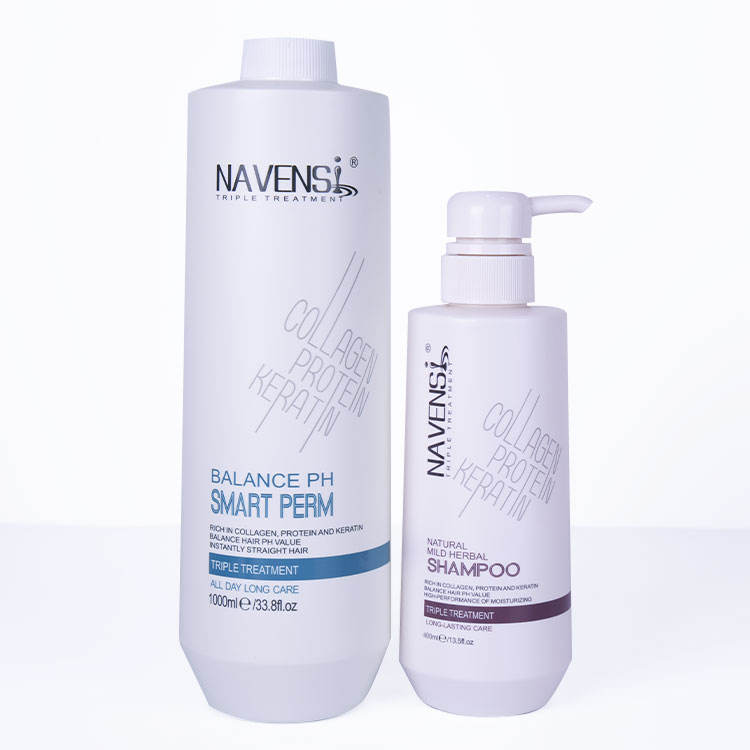
Top picks from Ecolchi Group: (1) Ecolchi Private Label Moroccan Argan Oil — pure single-ingredient, (2) Lusstaly Pure Argan Oil Hair Serum, (3) Pallamina Private Label Hair Growth Oil, (4) Navensi Professional Hair Essential Oil.

Related Guides from Ecolchi
- Ecolchi Private Label Moroccan Argan Oil
- Lusstaly Pure Argan Oil Hair Serum
- Navensi Professional Hair Essential Oil
- Ecolchi OEM Organic Argan Hair Growth Oil
- Pallamina Private Label Hair Growth Oil
Why Hair Becomes Dry: 7 Common Causes
Cause 1: Heat styling. Flat irons, curling irons, and blow dryers can reach 230°C / 450°F. Hair protein begins to degrade at 130°C and water in the hair boils at 100°C. Repeated heat exposure strips moisture and damages the cuticle.
Cause 2: Chemical treatments. Hair color, perms, and relaxers use strong chemicals (hydrogen peroxide, ammonia, thioglycolate) that penetrate the cortex and alter hair structure. The result is drier, more porous hair.
Cause 3: Sun exposure. UV radiation breaks down hair protein and depletes melanin. Hair becomes brittle, faded, and dry. UV protection is increasingly common in hair care products.
Cause 4: Harsh shampoos. Sulfates strip the natural oils that protect the hair shaft. Daily shampooing with strong cleansers can leave hair chronically dry.
Cause 5: Hard water. High mineral content (calcium, magnesium) in water builds up on hair, making it rough and dry. A shower filter or chelating shampoo helps.
Cause 6: Over-washing. Washing hair too frequently (more than once a day for some) strips natural oils faster than the body can replace them. Many dermatologists recommend 2-3 washes per week.
Cause 7: Diet and hydration. Hair is composed largely of protein and water. Inadequate protein intake or chronic dehydration can lead to dry, brittle hair. Recommended daily water intake: 2-3 liters; daily protein: 50-80g.
5 Best Oils for Dry Hair: Ranked by Penetration
Rank 1: Coconut oil. The smallest molecule of common hair oils (12-carbon lauric acid). Penetrates the hair shaft best, reduces protein loss by 25% in damaged hair. Best for: thick, curly, very dry hair. Trade-off: heavy feel, can weigh down fine hair.
Rank 2: Argan oil. Rich in oleic and linoleic acids, vitamin E, and ferulic acid. Lightweight, penetrates well. Best for: all hair types, especially fine or color-treated hair. Premium positioning justifies higher price.
Rank 3: Olive oil. Rich in oleic acid, penetrates well but heavier than argan. Best for: thick, coarse, very dry hair. Trade-off: heavy feel, can be greasy if overused.
Rank 4: Marula oil. Lightweight, rich in antioxidants and oleic acid. Penetrates well, doesn’t weigh hair down. Best for: fine to medium hair. Premium oil with luxury positioning.
Rank 5: Jojoba oil. Mimics natural sebum, balances oil production, lightweight. Best for: scalp health and ends. Trade-off: less penetrating than coconut, more surface-level conditioning.

See our argan vs coconut oil analysis and best hair masks for context.
Hair Oil Application Mistakes: 5 Things to Avoid
Mistake 1: Applying oil to wet (not damp) hair. Oil + water = barrier that prevents penetration. Apply to towel-dried hair for best absorption.
Mistake 2: Using too much. A little goes a long way. Start with 1-2 drops and add more only if needed. Heavy oil use weighs down hair and looks greasy.
Mistake 3: Applying oil to roots. Roots are usually oily enough; oil there causes flat, greasy-looking hair. Apply from mid-length to ends only.
Mistake 4: Using the wrong oil for your hair type. Fine hair needs lightweight oils (argan, jojoba). Thick or curly hair can handle heavier oils (coconut, olive).
Mistake 5: Not washing oil out properly. If using a heavy oil treatment, you may need to shampoo twice or use a clarifying shampoo to fully remove. Buildup can make hair look dull and limp.
See our argan vs coconut oil and anti-frizz conditioner for context.
Hair Oil Q&A: Real Questions from Real Users
Q: Can I leave oil in my hair overnight? A: Yes, most hair oils are safe overnight. Apply 2-3 hours before bed (so it absorbs), cover with a silk/satin pillowcase or shower cap. Wash out in the morning. Avoid heavy oils on the scalp if you have oily hair.
Q: Will oil make my hair fall out? A: No, properly formulated hair oils don’t cause hair loss. In fact, scalp massage with oil can improve circulation and reduce shedding. If you notice more shedding after starting an oil, you may be allergic to an ingredient or applying too aggressively.
Q: Can I use cooking oils (olive, coconut) on hair? A: Yes, both work. Cold-pressed, unrefined versions are best. The difference vs cosmetic-grade: cosmetic oils are typically filtered more and may have added antioxidants for longer shelf life.
Q: How long does a hair oil bottle last? A: Typical usage is 2-3 drops per application, 2-3 times per week. A 100ml bottle lasts 4-6 months for most users. A 30ml bottle lasts 6-8 weeks.
Q: Should I apply oil before or after styling products? A: Oil goes on damp hair, then styling products on top. The oil seals in moisture; styling products provide hold and finish. Reverse order won’t work as well.
Q: Can I use oil with minoxidil? A: Yes, but apply minoxidil first (let it absorb 1-2 hours), then oil if needed. Minoxidil needs direct scalp contact; oil can interfere with absorption if applied first.
See our argan vs coconut and anti-frizz conditioner for context.
Frequently Asked Questions
What is the best hair oil for dry hair?
The 5 best: (1) argan oil, (2) coconut oil, (3) argan + keratin blend, (4) jojoba oil, (5) marula oil.
About the Author
Ecolchi Editorial Team — 21 years of hair care manufacturing expertise. ISO 22716 / GMP / FDA / CE certified factory in Guangzhou, China. 1.2M+ bottles/month capacity. 9 in-house brands: Karseell, Ecolchi, Pallamina, Lusstaly, Romacy, Navensi, Chinchy, Delofil, Hischer. Exporting to 130+ countries.
Reviewed by: Chinchy R&D Team (6 graduate engineers, 20+ new products per year)
Sources & References:
Request Free Hair Oil For Dry Hair Consultation
No MOQ commitment. Sample lead time 3–5 days. Response within 24 hours.