Hyaluronic Acid for Hair: Hydration Myth or Fact? (2026)
- Hyaluronic acid for hair works primarily through hydration, not conditioning.
- Low MW HA penetrates the cuticle; high MW HA forms a surface film. Use a blend.
- Most effective in leave-in products where it stays in contact with hair.
- Combine with proteins and oils for complete hair care (HA alone is not a conditioner).
- For brand owners: HA enables hydration positioning and works well with other ingredients.
Hyaluronic acid (HA) is famous in skin care for its hydrating properties. Now it is making its way into hair care. This guide covers the science of HA for hair, its benefits and limitations.
As a manufacturer, we have tested HA in various hair care formulations and found specific use cases where it excels.
Table of Contents
- What Is Hyaluronic Acid
- Molecular Weight: Why It Matters
- 5 Benefits for Hair Hydration
- Formulating with HA: 5 Tips
- Recommendations for Brand Owners
- Frequently Asked Questions
What Is Hyaluronic Acid
Hyaluronic acid (HA) is a naturally occurring polysaccharide found in skin, connective tissue, and eyes. It is one of the most hydrophilic (water-loving) molecules in nature, capable of holding up to 1000x its weight in water.
In cosmetics, HA is produced by bacterial fermentation (most common) or extracted from animal sources. Synthetic and natural HA have the same molecular structure and properties.
Molecular Weight: Why It Matters
Low molecular weight HA (under 50 kDa): smaller molecules can penetrate the cuticle layer. Provides deep hydration but limited surface effects.
Medium molecular weight HA (50-1000 kDa): provides both penetration and surface film. Good for leave-in products.
5 Benefits for Hair Hydration
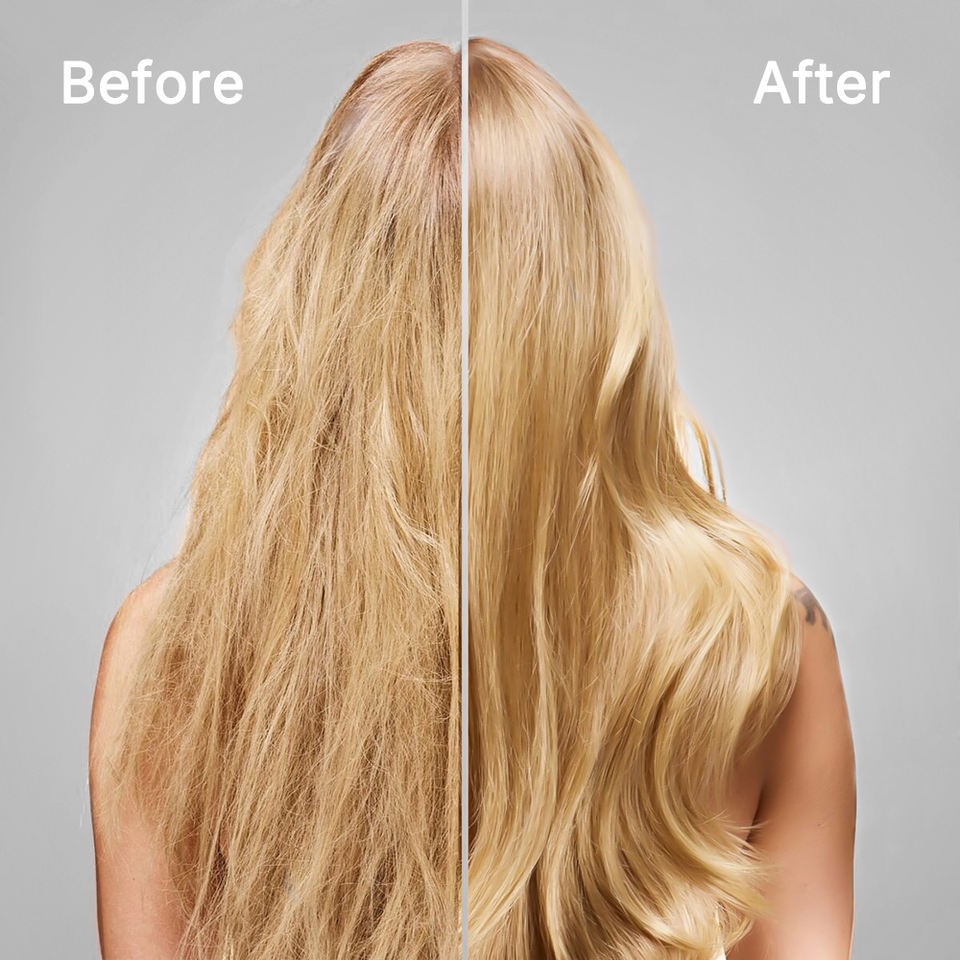
1. Deep hydration. HA holds water in the hair shaft, providing moisture that lasts longer than water alone.
2. Improved elasticity. Hydrated hair is more flexible and less prone to breakage.
3. Reduced frizz. Well-hydrated hair has a smoother cuticle, reducing frizz.
Formulating with HA: 5 Tips
1. Use a blend of molecular weights. Low MW for penetration, high MW for surface film.
2. Add to leave-in products. HA needs contact time to be effective.
3. Combine with humectants. Glycerin and panthenol work synergistically with HA.

Recommendations for Brand Owners
For brand owners: HA is a strong ‘hydration’ claim ingredient. Use in leave-in conditioners, hair serums, and curl creams. Combine with proteins and oils for complete hair care.

Related Guides from Ecolchi
- Lusstaly Private Label Argan Oil Hair Oil
- Karseell Maca Repair Collagen Hair Mask
- Romacy Repair Dry Hair and Improve Frizz Collagen Cream Hair
- Pallamina Leave In Hair Oil For Dry Damaged Hair Curl Repair
- Ecolchi OEM/ODM Moroccan Hair Care Essential Oil Best Stylin
Hyaluronic Acid: Best Use Cases in Hair Care
Hyaluronic acid (HA) excels in leave-in products where it stays in contact with hair. Best use cases: leave-in conditioners, hair serums, curl creams, hydrating masks.
For best results, use a blend of molecular weights: low MW (under 50 kDa) for penetration into the cuticle, high MW (over 1000 kDa) for surface film and humidity protection.
Combine with humectants (glycerin, panthenol) for synergistic hydration. HA is a humectant itself, so combining with other humectants amplifies the effect.
See our mask for colored hair and hair oil for dry hair for hydration products.
Hyaluronic Acid: How It Actually Works
Hyaluronic acid (HA) is a glycosaminoglycan, a long chain of repeating sugar units. Its structure allows it to hold up to 1000x its weight in water.
In hair, HA binds to the keratin surface and holds water in the hair shaft. This provides deep hydration that lasts longer than water alone.
Different molecular weights have different effects: low MW (under 50 kDa) penetrates the cuticle and provides deep hydration. High MW (over 1000 kDa) forms a surface film that adds shine and reduces friction.
Hyaluronic Acid in Different Hair Products
Shampoos: HA at 0.1-0.5% provides some hydration. Washes off quickly. Best for dry or color-treated hair.
Conditioners: HA at 0.5-1% for sustained hydration. Stays in contact longer. Effective for normal to dry hair.
Masks: HA at 1-3% for intensive hydration. 5-20 minute contact time. Best for very dry or damaged hair.
Leave-in products: HA at 0.5-2% for ongoing hydration. Daily use provides cumulative benefit. Best for all hair types, especially dry or damaged.
Hyaluronic Acid Production and Sustainability
Most HA is now produced by bacterial fermentation (Streptococcus zooepidemicus or Bacillus subtilis). This is more sustainable than animal-derived HA.
Animal-derived HA (from rooster combs) is still available but less common. Some consumers prefer non-animal sources.
Plant-based HA alternatives (from soy, wheat, or potato) exist but are not chemically identical. Performance is similar in most applications.
Sustainability considerations: bacterial fermentation is scalable, requires less land and water than animal sources, and produces consistent quality.
Hyaluronic Acid: Customer FAQ
Q: Will HA make my hair greasy? A: No, HA is water-based and lightweight. It hydrates without weighing down.
Q: Can I use HA on oily hair? A: Yes, use lightweight formulas and apply only to mid-length to ends.
Q: How long does HA take to work? A: Immediate hydration is noticeable. Long-term benefits (improved elasticity, less breakage) take 4-6 weeks of regular use.
Hyaluronic Acid: Best Combinations
HA + glycerin: both humectants. The combination provides deep, lasting hydration.
HA + panthenol: HA hydrates, panthenol adds elasticity. Effective in leave-in products.
HA + ceramides: HA hydrates, ceramides repair the cuticle. Effective in masks.
HA + argan oil: HA hydrates, argan oil seals. Effective in hair oils and serums.
Hyaluronic Acid: The Hydration Hero
Hyaluronic acid holds 1,000x its weight in water. This is the highest water-holding capacity of any natural substance.
In hair care, HA provides deep hydration that lasts longer than water-based products alone. The water stays bound in the hair shaft.
For brand owners: HA is a powerful ‘hydration’ claim. Use in leave-in products, hair serums, and masks. Combine with other humectants for synergistic effects.
Hyaluronic Acid: A Quick Recap
Hyaluronic acid holds 1,000x its weight in water. In hair care, it provides deep, lasting hydration.
For brand owners, HA is a strong ‘hydration’ claim. Use a blend of molecular weights for best results. Combine with humectants and proteins for comprehensive hair care.

For more on this topic, see our in-depth guide on From Formula to Shelf: The 7-Stage Hair Care Manufacturing P.
For more on this topic, see our in-depth guide on 1.2 Million Bottles/Month: How Chinchy Group Scales Premium .
Frequently Asked Questions
What is hyaluronic acid?
Hyaluronic acid (HA) is a naturally occurring polysaccharide that holds up to 1000x its weight in water. It is found in skin, connective tissue, and eyes. In cosmetics, HA is used for its exceptional water-binding capacity.
Is hyaluronic acid good for hair?
Yes, primarily for hydration. HA holds water in the hair shaft, providing deep hydration. Most effective in leave-in products where it can stay in contact with hair.
What is the best molecular weight of HA for hair?
Low molecular weight HA (under 50 kDa) penetrates the cuticle better. High molecular weight HA (over 1000 kDa) forms a surface film. Use a blend for best results.
Can I use HA on color-treated hair?
Yes, HA is gentle and does not strip color. It can be especially helpful for color-treated hair which is often more porous and needs extra hydration.
Does HA replace other conditioning ingredients?
No, HA is best used as part of a comprehensive formula. Combine with proteins (keratin, collagen) and oils (argan, jojoba) for complete hair care.
About the Author
Ecolchi Editorial Team — 21 years of hair care manufacturing expertise. ISO 22716 / GMP / FDA / CE certified factory in Guangzhou, China. 1.2M+ bottles/month capacity. 9 in-house brands: Karseell, Ecolchi, Pallamina, Lusstaly, Romacy, Navensi, Chinchy, Delofil, Hischer. Exporting to 130+ countries.
Reviewed by: Chinchy R&D Team (6 graduate engineers, 20+ new products per year)
Sources & References:
Request Free Hyaluronic Acid Hair Consultation
No MOQ commitment. Sample lead time 3–5 days. Response within 24 hours.