
How to Apply a Hair Mask: 7 Steps for Maximum Benefit (2026)
- How to apply a hair mask: shampoo, towel dry, section, apply, comb, wait, rinse with cool water.
- Most masks work in 5-20 minutes; some intensive ones 30-60 minutes.
- Use heat (warm towel, shower cap) for deeper penetration.
- Apply to mid-length to ends, not roots. Use a wide-tooth comb to distribute.
- Rinse with cool water to seal the cuticle. Hot water strips the conditioning agents.
Hair masks are powerful but often misused. The right application technique can transform results. This guide covers the 7 steps to apply a hair mask for maximum benefit.
As a manufacturer of hair masks for 9+ brands, we have seen every application mistake. This guide shares the proper technique.
Table of Contents
- Step 1: Shampoo First
- Step 2: Towel Dry to Damp
- Step 3: Section Your Hair
- Step 4: Apply the Mask
- Step 5: Comb Through
- Frequently Asked Questions
Step 1: Shampoo First
Shampoo removes buildup, oil, and styling products that would block the mask from penetrating. Use a gentle shampoo that does not strip.
Choose a shampoo that matches your hair type. Sulfate-free shampoos are gentler and leave more natural oil on the hair, which works well with masks.

Step 2: Towel Dry to Damp
After shampooing, gently squeeze (do not rub) excess water from hair with a microfiber towel or old t-shirt. Rubbing with terrycloth causes friction and roughs the cuticle.
The ideal dampness: hair is wet enough to absorb product but not dripping. If water drips when you shake your head, it is too wet. Pat dry more.
Step 3: Section Your Hair
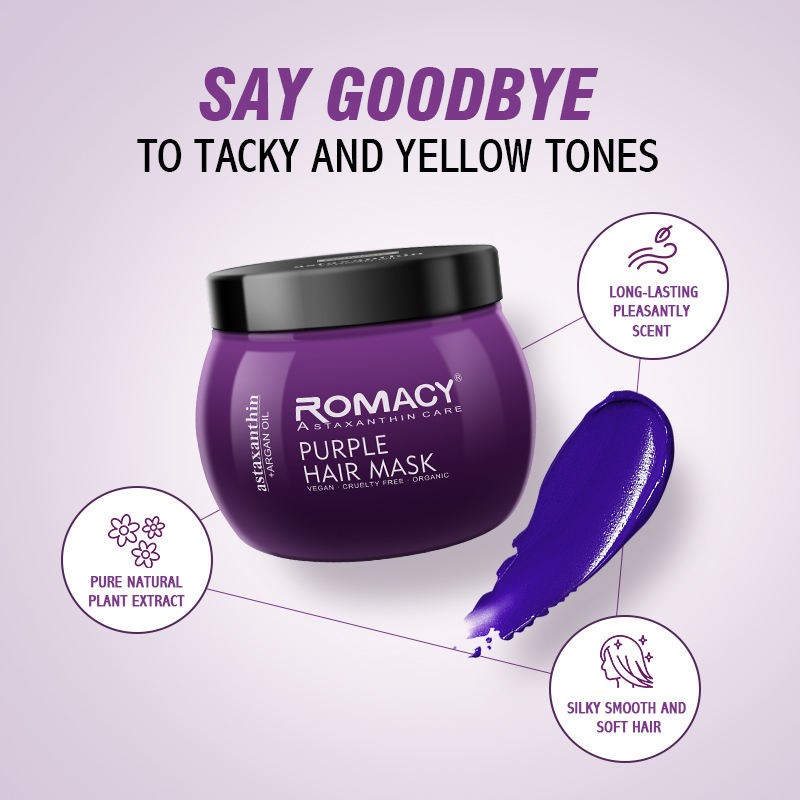
Divide hair into 4-6 sections depending on thickness: (1) two front sections framing the face, (2) two side sections above the ears, (3) one or two back sections.
Sectioning ensures even application and prevents missing spots. Use clips to hold sections while you work on each one.
Step 4: Apply the Mask
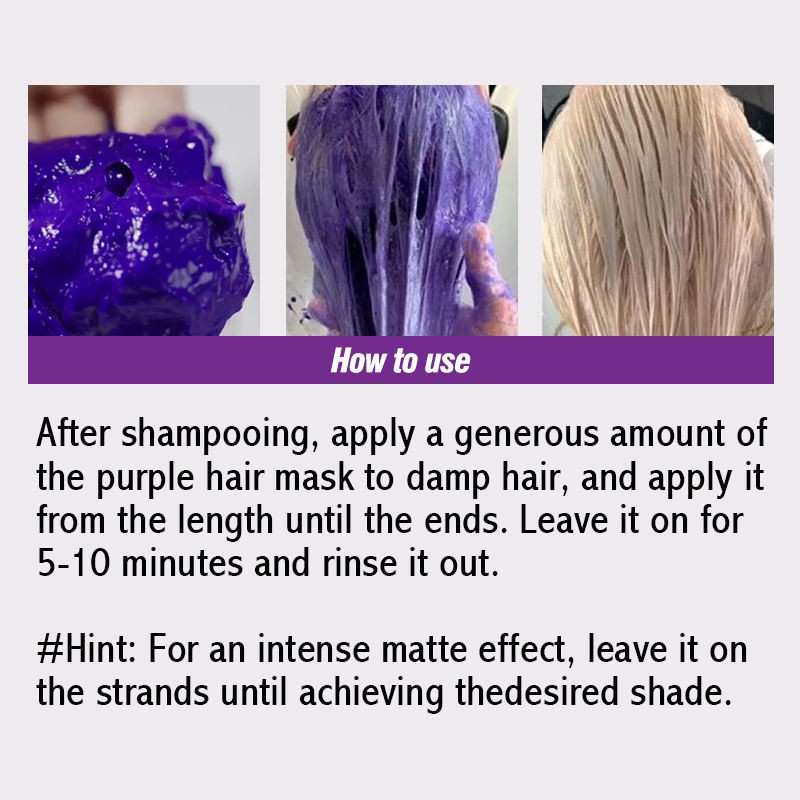
Dispense a quarter-size amount (for shoulder-length hair) into your palm. Rub palms together to emulsify. Apply to each section, focusing on mid-length to ends. Do not apply to roots unless your scalp is very dry.
For spray masks: hold bottle 6-8 inches from hair and mist evenly across each section. Spray formulas are faster but less concentrated.
Step 5: Comb Through
Use a wide-tooth comb (not a brush) to distribute the mask evenly through each section. Start from ends and work up to mid-length.
A wide-tooth comb detangles without pulling or breaking. Brushing wet hair with a paddle brush causes breakage.
Related Guides from Ecolchi
- Karseell Maca Repair Collagen Hair Mask
- Romacy Wholesale Salon Hair Care Professional Argan Oil Hair
- Lusstaly Collagen Professional Hair Mask Treatment Protein
- Ecolchi OEM/ODM Natural Keratin Protein Hair Mask Treatment
- Ecolchi OEM/ODM Biotin Keratin Hair Mask Repair Moisturizing
Hair Mask Mistakes: 5 Things to Avoid
Mistake 1: Using too much. A quarter-size amount is enough for shoulder-length hair. More is not better.
Mistake 2: Applying to roots. Roots are usually oily enough. Apply from mid-length to ends.
Mistake 3: Skipping the heat. A shower cap or warm towel helps actives penetrate.
Mistake 4: Rinsing with hot water. Hot water opens the cuticle and strips the conditioning agents.
Mistake 5: Using daily. Most masks are designed for 1-2x per week, not daily.
See our DIY hair mask and mask for curly hair for mask guidance.
Hair Mask Application: Advanced Tips
Tip 1: section hair into 4-6 parts for even application. Use clips. This ensures no spot is missed.
Tip 2: comb through with a wide-tooth comb after application. Distributes the mask evenly and detangles simultaneously.
Tip 3: use a hooded dryer for deeper penetration. The consistent heat opens the cuticle more than a warm towel.
Tip 4: cover with a plastic cap then a warm towel. The combination of moisture-trapping (plastic) and heat (towel) maximizes penetration.
Hair Mask Aftercare: Maximizing Benefits
After rinsing with cool water, do not rub hair with a towel. Rubbing causes friction and roughs the cuticle.
Apply a leave-in conditioner or hair oil within 5 minutes of rinsing the mask. This seals the conditioning agents into the hair shaft.
Avoid heat styling for at least 24 hours after a mask. Heat can damage the cuticle and reverse some of the benefits.
Style as usual. The mask should provide improved manageability, shine, and softness for several days.
Professional vs At-Home Hair Masks: Key Differences
Professional masks: higher concentration of active ingredients, larger sizes, premium positioning. Often formulated for salon use with specific protocols.
At-home masks: moderate concentration, smaller sizes, accessible pricing. Designed for consumer use with clear instructions.
Performance: professional masks can provide more dramatic results due to higher concentrations. At-home masks provide good results with regular use.
Cost: professional $30-100 per treatment, at-home $1-3 per use. The at-home cost is much lower per use, but the professional may give better results for severely damaged hair.
Mask Frequency: Customizing for Hair Type
For fine or oily hair: use a lightweight mask every 2-4 weeks. Heavy masks weigh down fine hair.
For medium to thick hair: use a balanced mask every 2 weeks. Most formulas work.
For thick, curly, or coily hair: use a rich mask 1-2x per week. Curls need extra moisture.
For severely damaged or color-treated hair: use an intensive mask 1-2x per week. Repair needs regular treatment.
Mask Timing: When to Apply
Best time to apply mask: after shampooing, when hair is clean and damp. The mask can penetrate without barriers.
Best day of week: depends on your wash schedule. Apply on wash day. Some people prefer Sunday evenings as a ‘reset’ before the week.
Best time of day: any time works. Some people prefer evening to let the mask work overnight (with longer processing masks).
Hair Mask: Beyond Conditioning
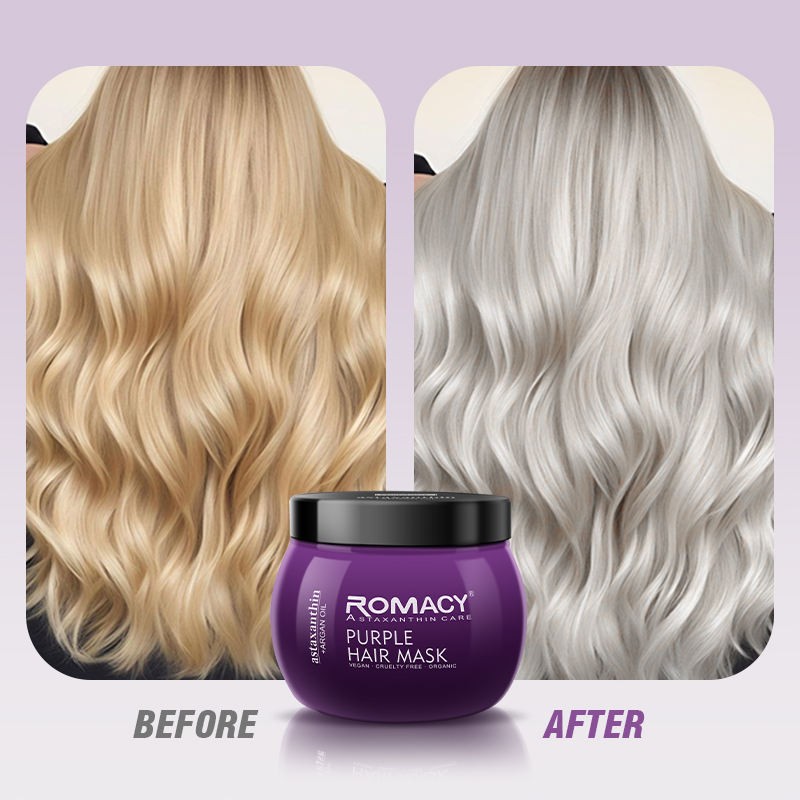
Hair masks provide more than conditioning. They can also: (1) repair damage (with proteins and ceramides), (2) protect from future damage (with antioxidants), (3) enhance curl definition (for curly hair), (4) refresh color (with color-depositing masks).
Choose the right mask for your goal. For damage repair, look for protein-rich masks. For moisture, look for oil-rich masks. For color refresh, look for color-depositing masks.
For best results, use the mask as part of a complete routine. Pair with appropriate shampoo, conditioner, and leave-in products for the goal you are targeting.
For more on this topic, see our in-depth guide on How Often Should You Use a Hair Mask? Expert Guide for Every.
Frequently Asked Questions
How long should I leave a hair mask on?
5-20 minutes for most masks. Some intensive treatments can be left on for 30-60 minutes. Do not leave on overnight unless the product is specifically designed for that.
Should I shampoo before or after a hair mask?
Shampoo first. Hair masks work best on clean hair. Apply the mask after shampooing and before conditioning.
Can I use a hair mask every day?
No, daily use causes protein buildup and over-conditioning. Use 1-2x per week for damaged hair, every 2 weeks for normal hair.
Should I use heat with a hair mask?
Yes, heat helps the active ingredients penetrate. Use a warm towel, shower cap, or hooded dryer for 15-20 minutes. The heat opens the cuticle and helps actives absorb.
Do I rinse with hot or cold water?
Rinse with cool or lukewarm water. Hot water opens the cuticle and strips the conditioning agents. Cool water seals the cuticle and locks in the benefits.
About the Author
Ecolchi Editorial Team — 21 years of hair care manufacturing expertise. ISO 22716 / GMP / FDA / CE certified factory in Guangzhou, China. 1.2M+ bottles/month capacity. 9 in-house brands: Karseell, Ecolchi, Pallamina, Lusstaly, Romacy, Navensi, Chinchy, Delofil, Hischer. Exporting to 130+ countries.
Reviewed by: Chinchy R&D Team (6 graduate engineers, 20+ new products per year)
Sources & References:
Request Free How To Apply Hair Mask Consultation
No MOQ commitment. Sample lead time 3–5 days. Response within 24 hours.