Argan Oil vs Moroccan Oil: Are They the Same? (2026)
- Argan oil vs Moroccan oil: argan is a single ingredient; Moroccan oil is typically a brand name for argan-based products with added ingredients.
- Pure argan oil: 100% argan, cold-pressed, unrefined, dark glass bottle.
- Moroccan oil products (like Moroccanoil): argan + silicones + other oils + fragrance for easier styling.
- Both are beneficial for hair; choose based on whether you want a pure single ingredient or a multi-ingredient styling product.
Argan oil and Moroccan oil are often used interchangeably, but they are not the same thing. Argan oil is a single natural ingredient; Moroccan oil is typically a brand name (most famously Moroccanoil) that uses argan oil plus other ingredients.
As a manufacturer that uses both argan oil and sells argan-based formulations, this guide clarifies the differences.
Table of Contents
- What Is Pure Argan Oil?
- What Is Moroccan Oil (the Brand/Product)?
- Side-by-Side Comparison
- Best Uses for Each
- Which to Choose
- Frequently Asked Questions
What Is Pure Argan Oil?
Argan oil is extracted from the kernels of the argan tree, which grows only in southwestern Morocco. The kernels are inside a fruit that resembles an olive. The extraction is labor-intensive: 30kg of fruit yields about 1 liter of oil.
Pure argan oil has a distinctive golden color and a mild, nutty aroma. The fatty acid profile is consistent: 45% oleic, 35% linoleic, 12% palmitic, 5% stearic. Vitamin E content is 600-900 mg/kg.

What Is Moroccan Oil (the Brand/Product)?
Moroccan oil is most famously the brand Moroccanoil, founded in 2006. Their signature product contains argan oil plus other ingredients: cyclomethicone (silicone for smoothness), fragrance, and other oils.
Other brands use Moroccan oil as a generic term for argan oil-based products. The exact formulation varies by brand.

Side-by-Side Comparison
Pure argan oil: 100% argan oil, no additives, more concentrated benefits, longer ingredient list to verify quality.
Moroccan oil (Moroccanoil): argan oil + silicones + fragrance + other oils. Easier to apply, less concentrated argan, more styling benefits.

Best Uses for Each
Pure argan oil: leave-in treatment (1-2 drops on damp hair), pre-shampoo treatment (1-2 tablespoons, 30 minutes before washing), scalp treatment (massage into scalp).
Moroccan oil (Moroccanoil): styling product (apply to dry hair for shine and frizz control), heat protectant (before blow drying), finishing serum.
Which to Choose
Choose pure argan oil if: you want the most concentrated argan benefits, you want a multi-use product (leave-in, pre-shampoo, scalp), you prefer single-ingredient products, you want maximum value for money.
Choose Moroccan oil (Moroccanoil) if: you want a styling product with argan benefits, you prefer a pre-formulated blend, you want easier application and styling benefits.

Related Guides from Ecolchi
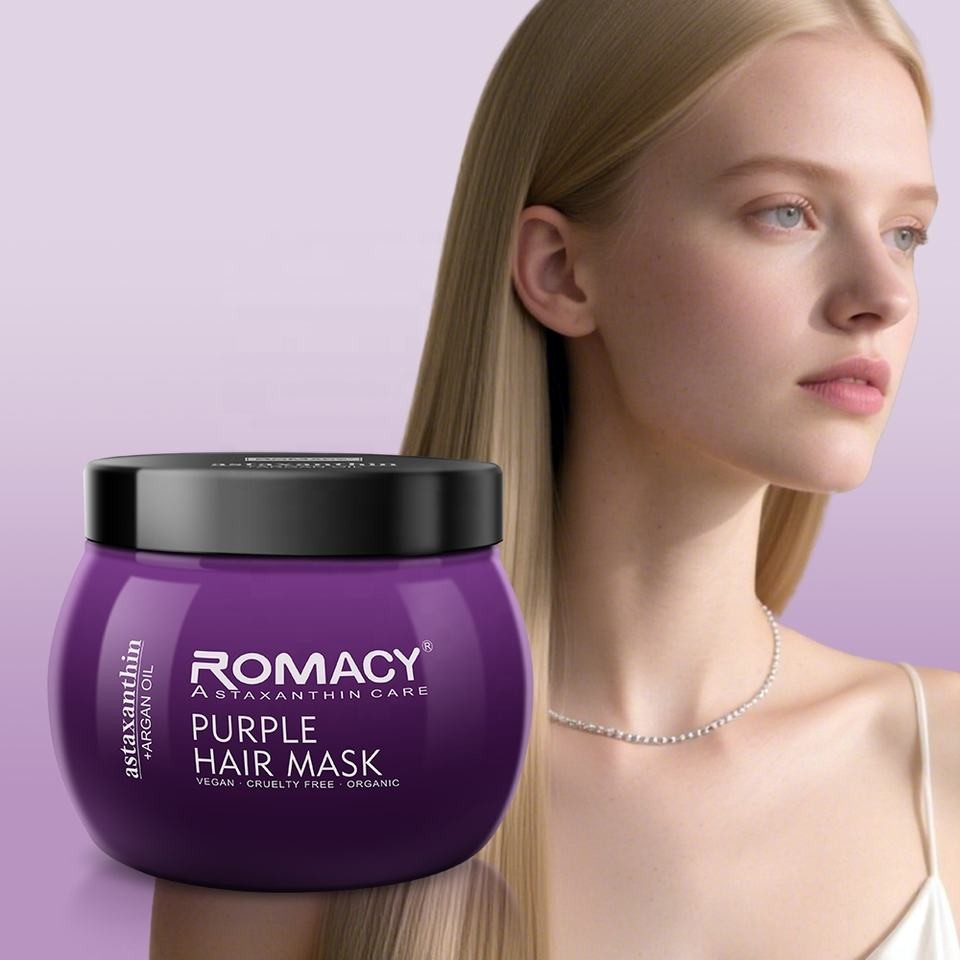
- Romacy Astaxanthin Argan Oil Collagen Professional Repairing
- Lusstaly Private Label Argan Oil Hair Oil
- Karseell Professional Argan Oil Collagen Gold Hair Oil
- Ecolchi OEM/ODM Moroccan Hair Care Essential Oil Best Stylin
- Navensi Keratin Private Label Sulfate Free Argan Oil Shampoo
Argan Oil Sourcing: From Tree to Bottle
Step 1: Harvest. Argan fruit is harvested from July to September. The fruit resembles a large olive. Berber women traditionally hand-harvest the fruit, though mechanical harvesting is becoming more common in commercial operations.
Step 2: Pulp removal. The fruit pulp is removed (traditionally by hand, now by machine). The remaining nut is dried in the sun for 1-2 weeks.
Step 3: Cracking. The dried nuts are cracked to reveal the kernels inside. This is the most labor-intensive step: it takes about 20 hours to crack 30kg of nuts by hand. Some operations use mechanical crackers.
Step 4: Roasting (optional). For cosmetic argan oil, the kernels are typically NOT roasted (roasting is for culinary argan oil). The roasting step changes the flavor but not the cosmetic properties significantly.
Step 5: Pressing. The kernels are cold-pressed using mechanical or hydraulic presses. No heat or chemicals are used. The oil is filtered to remove any solids.
Step 6: Quality testing. GC/MS analysis confirms the fatty acid profile matches expected values. Peroxide value, moisture, and other quality markers are checked.
Step 7: Bottling. The oil is bottled in dark glass (amber or dark green) to protect from light. Each batch is traceable to its harvest date and source cooperative.

See our rosemary hair oil analysis and complete hair care manufacturing for supply chain details.
Argan Oil: 5 Common Quality Issues
Issue 1: Adulteration with cheaper oils. GC/MS testing is the only reliable check.
Issue 2: Refined vs unrefined. Refined argan loses 50-80% of antioxidants. Look for unrefined.
Issue 3: Old stock. Argan oil oxidizes over time. Check the production date and use within 18-24 months.
Issue 4: Light damage. Stored in clear bottles, the oil degrades quickly. Look for dark glass.
Issue 5: Wrong source. True argan is Moroccan. Some ‘argan’ oils are from other trees (often mislabeled).
See our rosemary hair oil analysis and hair oil for dry hair for related oil analysis.
Argan Oil vs Other Moroccan Oils
Argan oil: extracted from argan tree kernels. The most studied and most popular Moroccan oil. Rich in oleic and linoleic acids, vitamin E, and ferulic acid.
Prickly pear seed oil: extracted from prickly pear cactus seeds. Even more expensive than argan. Rich in vitamin E and linoleic acid. Lighter than argan.
Black cumin seed oil: from black cumin (Nigella sativa) seeds. Anti-inflammatory. Used in some hair care products for scalp health.

Argan Oil: 5 Customer FAQs
Q: How do I know if argan oil is real? A: Look for cold-pressed, unrefined, Moroccan-sourced, dark glass bottle. GC/MS certificate is best.
Q: Can I use argan oil on oily hair? A: Yes, but use sparingly. 1 drop is enough for fine or oily hair.
Q: How long does argan oil last? A: 18-24 months unopened. 6-12 months once opened. Store in dark, cool place.
Q: Can I leave argan oil in overnight? A: Yes, apply a small amount to ends, cover with a silk pillowcase, wash out in the morning.
Q: Is argan oil safe for color-treated hair? A: Yes, argan oil does not strip color and adds shine.
Argan Oil vs Synthetic Alternatives
Some hair care products use synthetic argan-like oils made from lab-engineered fatty acid blends. These are cheaper but lack the natural antioxidants (vitamin E, ferulic acid) and other beneficial compounds found in real argan oil.
For brand owners: synthetic alternatives enable lower price points but sacrifice the marketing story. Authentic argan oil from Morocco with cooperative sourcing is a powerful brand story that synthetic alternatives cannot replicate. The price premium for genuine argan oil is justified by both performance and brand storytelling.
Frequently Asked Questions
Is Moroccan oil the same as argan oil?
Not exactly. Moroccan oil is typically a brand name (Moroccanoil) that uses argan oil as the primary ingredient but adds other oils and silicones. Pure argan oil is the single-ingredient product.
Which is better for hair?
Pure argan oil is more concentrated and has more documented benefits. Moroccan oil products (like Moroccanoil) add silicones for easier application and styling.
Is argan oil only from Morocco?
Yes, argan trees grow exclusively in southwestern Morocco. Genuine argan oil is always Moroccan in origin.
Can I use argan oil on all hair types?
Yes, but use sparingly on fine hair. Heavy application can weigh down fine or oily hair. 1-2 drops is enough for shoulder-length hair.
How do I identify pure argan oil?
Look for: cold-pressed, unrefined, single origin (Morocco), dark glass bottle, cooperative-sourced. Avoid: refined, light-colored, clear plastic bottle, fragrance added.
About the Author
Ecolchi Editorial Team — 21 years of hair care manufacturing expertise. ISO 22716 / GMP / FDA / CE certified factory in Guangzhou, China. 1.2M+ bottles/month capacity. 9 in-house brands: Karseell, Ecolchi, Pallamina, Lusstaly, Romacy, Navensi, Chinchy, Delofil, Hischer. Exporting to 130+ countries.
Reviewed by: Chinchy R&D Team (6 graduate engineers, 20+ new products per year)
Sources & References:
Request Free Argan Oil Vs Moroccan Oil Consultation
No MOQ commitment. Sample lead time 3–5 days. Response within 24 hours.