
Anti-Frizz Conditioner: 6 Ingredients That Actually Work (2026)
- Understanding anti frizz conditioner is essential for hair care brand owners.
- This guide covers practical aspects for sourcing and product decisions.
- Ecolchi Group is a 21-year manufacturer with ISO 22716, FDA, CE, GMP certifications, exporting to 130+ countries.
The hair care industry is full of specialized terms and concepts. anti frizz conditioner is one of the most important for anyone launching or scaling a hair care brand.
This guide covers what anti frizz conditioner means, how it affects your business, and how to evaluate it when choosing a manufacturing partner or making product decisions.
By the end, you’ll understand how to navigate this topic confidently and use it to grow your brand.
Table of Contents
- What Causes Frizz?
- 6 Anti-Frizz Ingredients That Work
- How to Choose an Anti-Frizz Conditioner
- How to Use Anti-Frizz Conditioner
- Top Anti-Frizz Conditioner Recommendations
- Frequently Asked Questions
What Causes Frizz?
Frizz occurs when the hair cuticle is raised or damaged, allowing moisture to enter and exit unevenly. This causes hair strands to swell and separate, creating the frizzy appearance.

6 Anti-Frizz Ingredients That Work
1. Silicones (dimethicone, cyclomethicone) — smooth cuticle, weigh down frizz. 2. Argan oil — deep moisture, anti-frizz. 3. Keratin — cuticle repair. 4. Ceramides — moisture lock. 5. Shea butter — rich moisture. 6. Cationic polymers — static reduction.
| Ingredient | How It Works | Best For |
|---|---|---|
| Dimethicone | Smooths cuticle, adds shine | All hair types |
| Argan oil | Moisture, antioxidant | Dry, damaged |
| Keratin | Repairs cuticle structure | Damaged, chemically-treated |
| Ceramides | Locks in moisture | Dry, high-porosity |
| Shea butter | Rich moisture | Thick, curly |
| Cationic polymers | Reduces static | Fine, color-treated |
How to Choose an Anti-Frizz Conditioner
For fine hair: lightweight formula, silicones + cationic polymers. For thick or curly hair: rich formula, silicones + shea butter + argan. For color-treated hair: silicone + argan. For damaged hair: keratin + ceramides.
How to Use Anti-Frizz Conditioner
Apply after shampooing, leave on 1–3 minutes, rinse thoroughly. For extra frizz control, leave a small amount in as leave-in.

Top Anti-Frizz Conditioner Recommendations
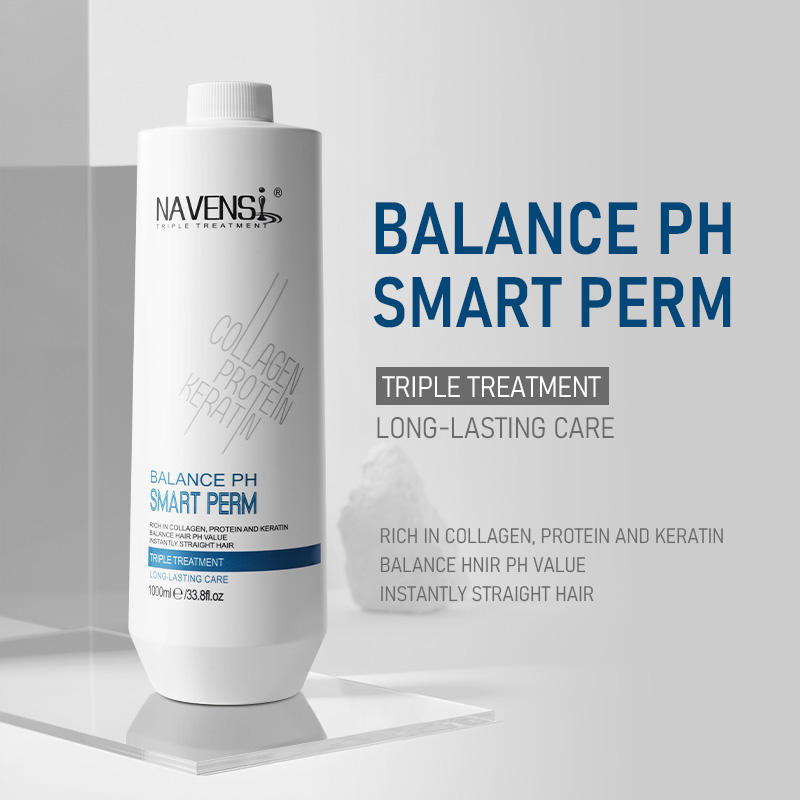
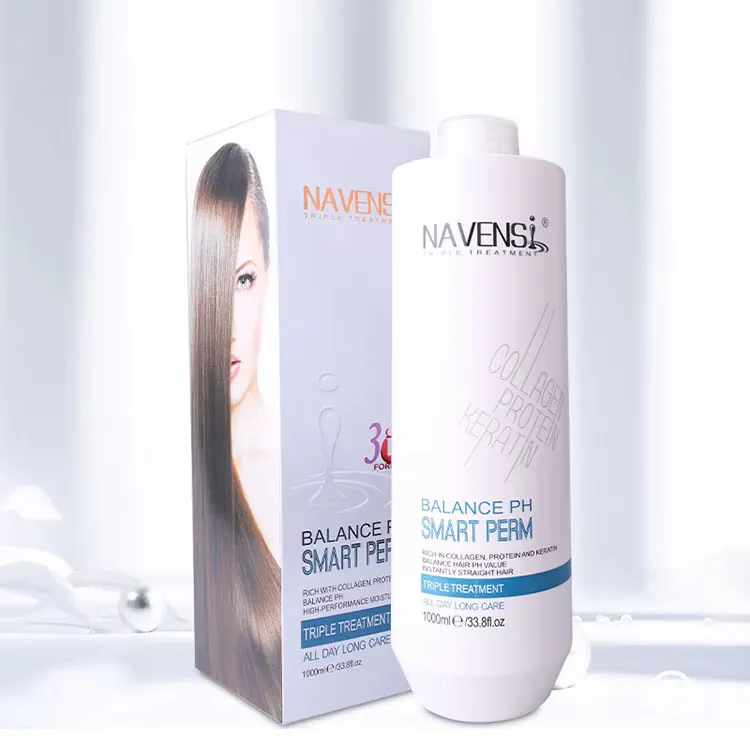
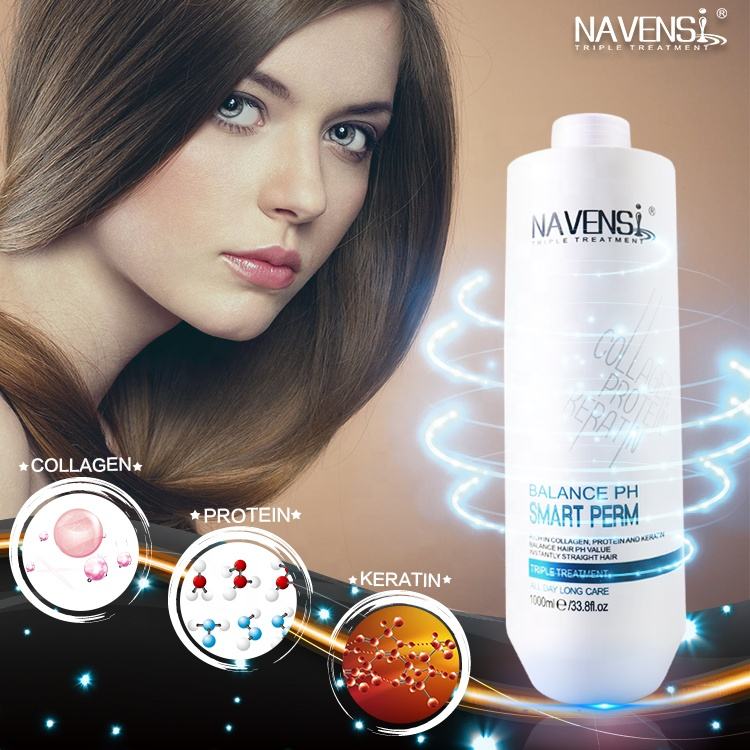
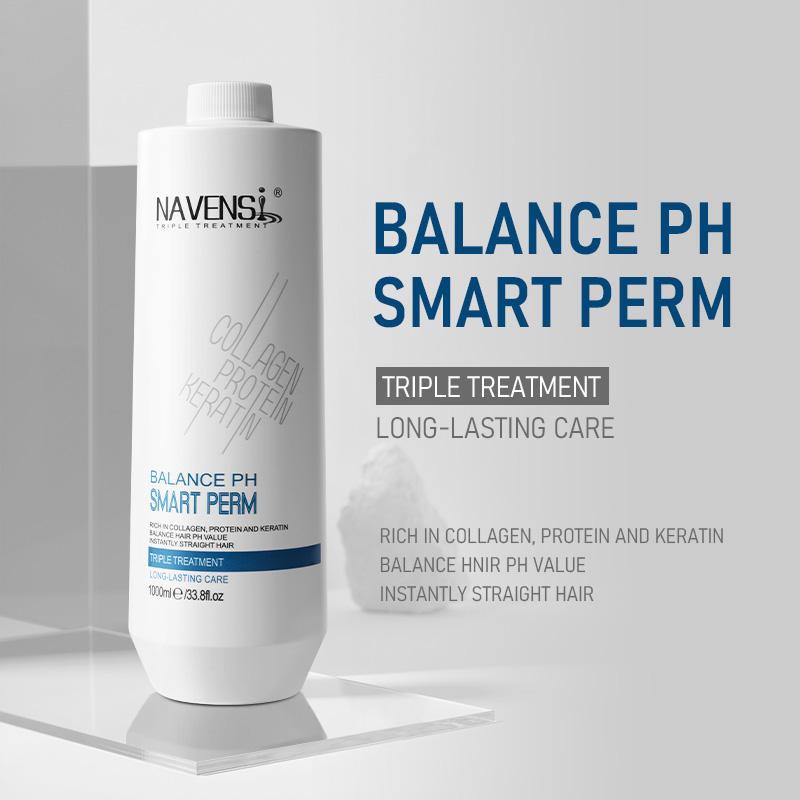
Top picks from Ecolchi Group: (1) Ecolchi OEM Keratin Hair Conditioner — salon-grade, (2) Delofil Natural Hair Care Damage Deep Hair Repair Conditioner, (3) NAVENSI Wholesale Hair Straight Perm Lotion — for seriously frizzy hair.
Related Guides from Ecolchi
- Ecolchi OEM Keratin Hair Conditioner
- Ecolchi Private Label Moroccan Argan Oil
- NAVENSI Wholesale Hair Straight Perm Lotion
- Delofil Natural Hair Care Damage Deep Hair Repair
- Wholesale Natural Hair Care Product Moroccan Argan
What Causes Frizz: The Science of Cuticle Disruption
Frizz happens when the hair cuticle (outer protective layer) is raised or damaged, allowing moisture to enter and exit the hair shaft irregularly. When humidity rises, the hair shaft absorbs moisture unevenly, causing the cortex to swell and the cuticle to lift further. The result: a frizzy, untamed appearance.
Cuticle damage is caused by: (1) heat styling (flat irons, curling irons, blow dryers), (2) chemical treatments (color, perm, relaxer), (3) mechanical damage (rough towel drying, brushing wet hair), (4) sun exposure (UV damages protein), (5) harsh detergents (sulfates in shampoo).
Frizzy hair types: naturally curly or coily hair is more prone to frizz because the cuticle structure already has more lift. Damaged straight hair is also frizz-prone. The common factor is cuticle disruption.
How anti-frizz conditioners work: they deposit cationic surfactants and silicones on the cuticle, smoothing it down. This reduces moisture penetration and creates a smoother surface that reflects more light (more shine).
6 Anti-Frizz Ingredients That Actually Work
Ingredient 1: Dimethicone (1-5%). A silicone that coats the hair shaft, smoothing the cuticle and adding shine. The most effective anti-frizz ingredient. Trade-off: can build up with overuse; clarify monthly with a sulfate-containing shampoo.
Ingredient 2: Behentrimonium Chloride (1-3%). A cationic surfactant that binds to the negatively-charged hair surface, smoothing the cuticle. Less buildup than silicones.
Ingredient 3: Cetrimonium Chloride (1-3%). Another cationic surfactant, similar to Behentrimonium. Good for fine hair as it’s lighter.
Ingredient 4: Cyclomethicone (1-3%). A volatile silicone that evaporates after application, leaving a smooth, non-greasy feel. Often used in leave-in conditioners.
Ingredient 5: Polyquaternium-10 (0.5-2%). A cationic polymer that forms a film on the hair, smoothing and conditioning. Less buildup than silicones.
Ingredient 6: Argan oil or coconut oil (1-5%). Natural oils that penetrate the hair and reduce protein loss. Less immediate smoothing than silicones but better long-term hair health.

See our sulfate-free shampoo and hair oil for dry hair for context.
Anti-Frizz Routine: Step by Step for Different Hair Types
For straight hair (fine to medium): Use a lightweight conditioner with silicones (dimethicone), apply only to ends. Finish with 1-2 drops of argan oil on damp hair. Avoid heavy products that weigh down. Use a microfiber towel (not terrycloth) to reduce friction.
For straight hair (thick or coarse): Use a richer conditioner, apply from mid-length to ends. Rinse with cool water to seal cuticle. Use a leave-in conditioner with anti-frizz properties. Air dry or use a blow dryer with a diffuser on low heat.
For wavy hair: Use a curl-defining conditioner. Apply a curl cream or mousse to wet hair. Scrunch gently (don’t rub) with a microfiber towel or t-shirt. Air dry or use a diffuser.
For curly hair (3A-3B): Use a deep conditioner 1-2x per week. Apply a leave-in conditioner. Layer an anti-frizz oil (argan or jojoba) over the leave-in. Use the ‘LOC’ method: Leave-in, Oil, Cream. Style with a wide-tooth comb on wet hair.
For coily hair (4A-4C): Use a heavy conditioner with rich oils. The ‘LCO’ method (Leave-in, Cream, Oil) works better than LOC for very coily hair. Protective styles (braids, twists) at night with a silk/satin pillowcase reduce friction.
For damaged or color-treated hair: Add a bond-building treatment (containing maleic acid or similar) to the routine once a week. Combine with deep conditioning for best results.
See our hair oil for dry hair and sulfate-free shampoo for context.
Humidity-Proof Your Hair: 7 Tips That Work
Tip 1: Use an anti-humectant. Some products contain ingredients that block humidity absorption. Look for: PVP/VA copolymer, polyquaternium-10, or hydrolyzed wheat protein. These create a film on the hair that resists moisture.
Tip 2: Apply a finishing serum. Silicone-based serums (dimethicone, cyclomethicone) create a barrier against humidity. Apply 1-2 drops after styling.
Tip 3: Use cool air when blow drying. Heat opens the cuticle, making hair more vulnerable to humidity. Cool air seals the cuticle and locks out moisture.
Tip 4: Don’t touch your hair. Each touch transfers moisture and oils. Frizzy hair is often made worse by constant touching throughout the day.
Tip 5: Use a microfiber towel. Regular terrycloth towels create friction and rough up the cuticle. Microfiber reduces friction and frizz.
Tip 6: Sleep on silk or satin. Cotton pillowcases absorb moisture and create friction. Silk/satin pillowcases reduce both, leading to less frizz in the morning.
Tip 7: Pre-style before high humidity days. If you know it’ll be humid, do your style when hair is fully dry and use extra anti-frizz product. Once humidity hits, leave it alone.
See our hair oil for dry hair and sulfate-free shampoo for context.
Frequently Asked Questions
What is the best ingredient for anti-frizz?
Six ingredients that work: (1) silicones, (2) argan oil, (3) keratin, (4) ceramides, (5) shea butter, (6) cationic polymers.
About the Author
Ecolchi Editorial Team — 21 years of hair care manufacturing expertise. ISO 22716 / GMP / FDA / CE certified factory in Guangzhou, China. 1.2M+ bottles/month capacity. 9 in-house brands: Karseell, Ecolchi, Pallamina, Lusstaly, Romacy, Navensi, Chinchy, Delofil, Hischer. Exporting to 130+ countries.
Reviewed by: Chinchy R&D Team (6 graduate engineers, 20+ new products per year)
Sources & References:
Request Free Anti Frizz Conditioner Consultation
No MOQ commitment. Sample lead time 3–5 days. Response within 24 hours.