7 Harmful Ingredients to Avoid in Hair Care (2026 List)
- Harmful hair care ingredients to limit or avoid: formaldehyde, certain parabens, harsh sulfates (for sensitive), mineral oil, petrolatum, fragrance allergens.
- Most are not banned but are restricted or controversial. Context matters.
- Many have safer alternatives that perform similarly.
- Brand owners should know the controversy to make informed decisions.
- Consumer awareness: read labels, know what to look for, choose based on personal values.
Not all hair care ingredients are created equal. Some are controversial due to safety concerns; others are just not as effective as alternatives. This guide covers 7 ingredients that hair care consumers and brand owners should know about.
As a manufacturer, we believe in transparency about ingredients.
Table of Contents
- 1. Formaldehyde and Formaldehyde-Releasers
- 2. Harsh Sulfates (For Some Hair Types)
- 3. Some Parabens (Butyl and Propyl)
- 4. Mineral Oil and Petrolatum
- Recommendations for Brand Owners and Consumers
- Frequently Asked Questions
1. Formaldehyde and Formaldehyde-Releasers
Formaldehyde is a known carcinogen. OSHA exposure limit is 0.5 ppm. Traditional Brazilian keratin treatments contain 0.2-5% formaldehyde, which can exceed safe exposure levels during application.
Formaldehyde-releasers (DMDM hydantoin, quaternium-15, diazolidinyl urea) release small amounts of formaldehyde over time as a preservative. Used in some shampoos and conditioners at low concentrations (typically 0.1-0.5%).
2. Harsh Sulfates (For Some Hair Types)
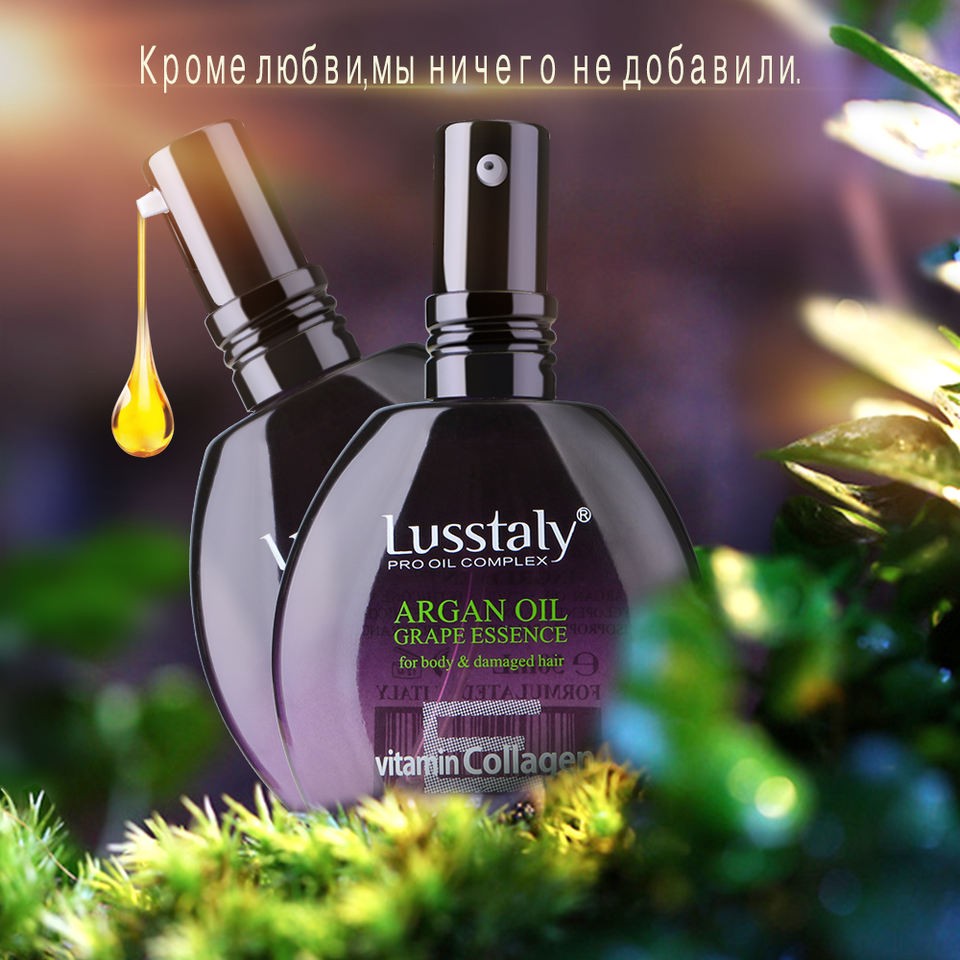
Sulfates (SLS, SLES) are effective cleansers but can be harsh for some hair types. For dry, color-treated, or sensitive-scalp hair, sulfate-free alternatives are gentler.
The science: sulfates strip natural oil faster than the body can replace, leading to dryness and color fade. This is a ‘harsh’ effect, not a safety issue.
3. Some Parabens (Butyl and Propyl)
Butylparaben and propylparaben are restricted in some product categories in the EU. Methylparaben and ethylparaben are considered safer and remain widely used.
Context: parabens are safe at typical cosmetic concentrations per FDA, EU SCCS, and CIR. The restrictions are precautionary, not based on demonstrated harm.

4. Mineral Oil and Petrolatum
Mineral oil and petrolatum are petroleum-derived ingredients. They are not ‘unsafe’ but have environmental concerns (non-renewable, polluting to produce) and may not be ideal for all hair types (heavy, can cause buildup).
Alternatives: plant-derived oils (argan, jojoba, coconut) and plant-derived butters (shea, mango). Provide similar conditioning with better environmental profile.
Recommendations for Brand Owners and Consumers
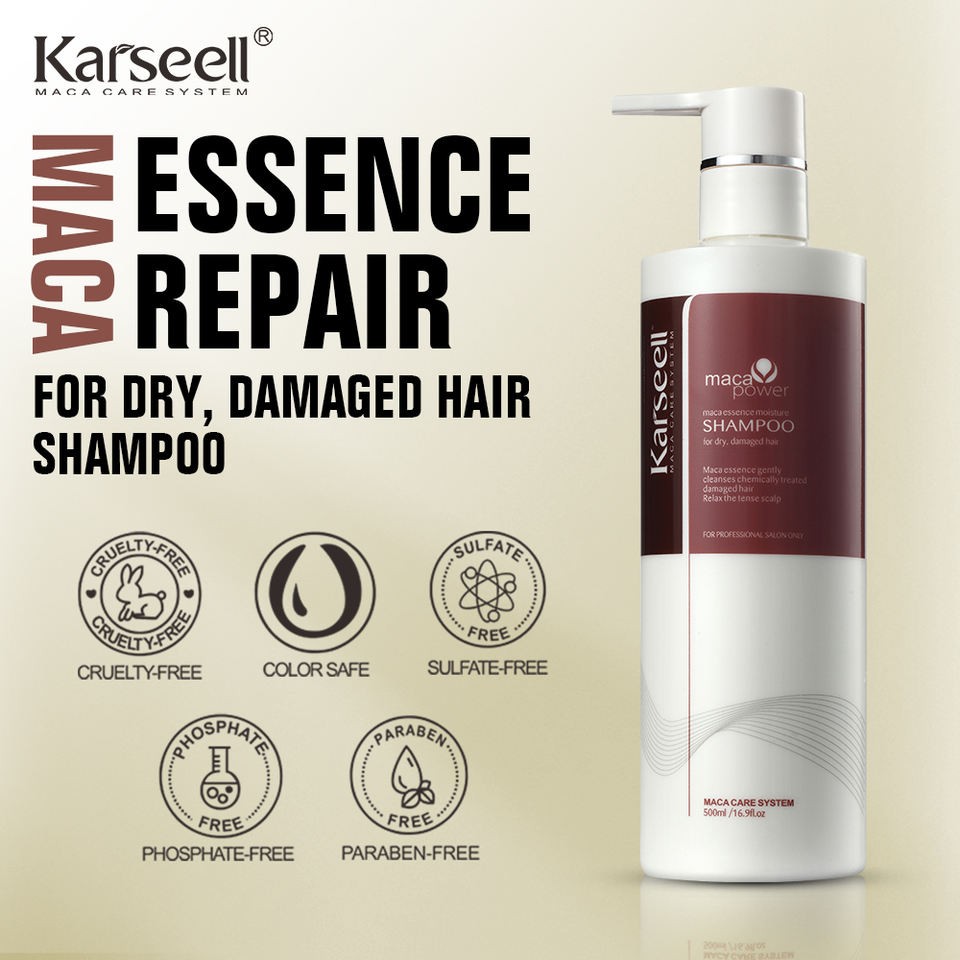
For brand owners: know the controversy around each ingredient. Offer alternatives for customers who want them. Avoid marketing paraben-containing products as ‘unsafe’ — the science does not support that.

Related Guides from Ecolchi
- Ecolchi OEM Custom Private Label Sulfate-free Shampoo Condit
- Romacy Wholesale Sulfate Free Argan Oil Shampoo Customized
- Lusstaly Private Label Prevents Hair Moisture Professional H
- Karseell Prival Label OEM Manufacture Best Organic Shampoo
- Navensi Factory Hair Treatment Serum Oil Wholesale Private L
Clean Beauty: How to Position Your Brand
Clean beauty is a brand-specific term. Define what ‘clean’ means for your brand and stick to it. Examples: free from sulfates, parabens, synthetic fragrance, mineral oil, etc.
The clean beauty market is fragmented: some brands focus on ingredient safety, others on environmental impact, others on ethical sourcing. Choose a clear positioning.
Communicate clearly: list every ingredient, explain why it is in or out, and provide context. Consumers appreciate transparency over vague ‘clean’ claims.
See our natural vs organic vs clean and vegan hair care for related positioning.
Clean Beauty: Defining Your Standard
Clean beauty means different things to different brands. Some focus on ingredient safety (avoiding certain controversial ingredients). Others focus on environmental impact (sustainable sourcing, recyclable packaging). Others focus on ethical sourcing (no animal testing, fair trade).
For brand owners: pick a clear definition. List every ingredient, explain why it is in or out, and provide context. Consumers appreciate transparency over vague ‘clean’ claims.
Avoid the ‘no list’ trap. Some brands list 1,500+ ingredients they avoid. This creates confusion and unrealistic expectations. Focus on the 10-20 most important ingredients to avoid, and explain why.
Clean Beauty: The Regulatory Landscape
US: no legal definition of ‘clean beauty.’ Brands define it for themselves. FDA does not restrict the term.
EU: stricter cosmetic regulations. Some ingredients banned or restricted. The EU positive list determines what can be used.
Canada: Health Canada maintains a cosmetic ingredient hotlist. Ingredients on the hotlist are restricted or banned.
Asia: varying regulations by country. Some countries (Japan, Korea) have stricter cosmetic ingredient rules than the US.
Clean Beauty: Beyond Ingredients
Clean beauty is expanding beyond ingredient safety to include: sustainable packaging (recyclable, refillable), ethical sourcing (fair trade, no animal testing), environmental impact (carbon-neutral shipping, water usage), and social responsibility (diversity, fair wages).
Consumers increasingly expect brands to address these issues. A truly ‘clean’ brand considers all aspects, not just ingredient lists.
For brand owners: build a comprehensive clean beauty story. Address ingredients, packaging, sourcing, and social impact. This creates a stronger brand and broader customer appeal.
Clean Beauty: Common Customer Questions
Q: What does ‘clean’ mean? A: It depends on the brand. Our ‘clean’ means: free from parabens, sulfates, synthetic fragrance, mineral oil, and petrolatum. We focus on ingredient safety and environmental impact.
Q: Is clean beauty more expensive? A: Often yes, due to more expensive ingredients, sustainable packaging, and ethical sourcing. The premium is justified by the values and quality.
Q: Is clean beauty less effective? A: Not necessarily. Modern formulations can be both clean and effective. We test all our products to ensure performance matches or exceeds conventional alternatives.
Clean Beauty: 5 Key Claims to Verify
Claim 1: ‘Free from parabens.’ Verify by reading the ingredients list.
Claim 2: ‘Free from sulfates.’ Verify by looking for sodium lauryl sulfate or similar.
Claim 3: ‘Natural ingredients.’ Verify by checking for natural-sounding ingredient names.
Claim 4: ‘Cruelty-free.’ Verify by checking for Leaping Bunny or similar certifications.
Claim 5: ‘Sustainable packaging.’ Verify by checking the packaging materials and certifications.
Clean Beauty: 5 Common Mistakes to Avoid
Mistake 1: making ‘clean’ the only claim. Customers also care about performance, value, and brand trust.
Mistake 2: fear-mongering about competitor ingredients. Damages industry trust and may invite regulatory scrutiny.
Mistake 3: ignoring ingredient safety science. The science supports paraben and sulfate safety at typical concentrations. Do not over-claim ‘safer.’
Mistake 4: greenwashing. Customers can detect vague ‘natural’ and ‘clean’ claims without substance. Be specific.
Mistake 5: not following through. Clean beauty is a journey, not a destination. Be honest about what you are working on.
For more on this topic, see our in-depth guide on From Formula to Shelf: The 7-Stage Hair Care Manufacturing P.
Frequently Asked Questions
What ingredients should I avoid in hair care?
Common harmful ingredients to limit or avoid: formaldehyde and formaldehyde-releasers, mineral oil (unrefined), petrolatum, certain parabens (butyl, propyl in some categories), high-pH formulas, harsh sulfates for sensitive scalps, and some fragrance allergens.
Are all sulfates bad?
No, sulfates are effective cleansers. They are ‘harsh’ only for some hair types. If you have dry, color-treated, or sensitive-scalp hair, consider sulfate-free. Otherwise, sulfates are fine.
What is the most harmful hair care ingredient?
Formaldehyde and formaldehyde-releasers (DMDM hydantoin, quaternium-15) are the most concerning, especially in keratin treatments. They are known carcinogens.
Is fragrance bad for hair?
Fragrance is not inherently bad, but synthetic fragrance can cause allergic reactions in sensitive individuals. Look for fragrance-free or naturally scented products if you have sensitivities.
What is the safest hair care?
The ‘safest’ hair care uses gentle cleansers (sulfate-free), minimal preservatives, no harsh chemicals, and ingredients with established safety profiles. Look for certifications (EWG Verified, Vegan, etc.) for transparency.
About the Author
Ecolchi Editorial Team — 21 years of hair care manufacturing expertise. ISO 22716 / GMP / FDA / CE certified factory in Guangzhou, China. 1.2M+ bottles/month capacity. 9 in-house brands: Karseell, Ecolchi, Pallamina, Lusstaly, Romacy, Navensi, Chinchy, Delofil, Hischer. Exporting to 130+ countries.
Reviewed by: Chinchy R&D Team (6 graduate engineers, 20+ new products per year)
Sources & References:
Request Free Harmful Hair Ingredients Consultation
No MOQ commitment. Sample lead time 3–5 days. Response within 24 hours.