Keratin Hair Treatment: How It Works & How Long It Lasts (2026)
- Keratin hair treatment works by filling gaps in the hair cuticle with hydrolyzed keratin, creating smoother, more manageable hair.
- Professional salon treatments last 3-6 months; at-home treatments last 1-4 weeks.
- Look for hydrolyzed keratin (small molecules that penetrate) rather than native keratin.
- Ecolchi Group offers both ODM keratin treatment products and custom OEM formulations.
Keratin treatments have been a salon staple for over 20 years, but the formulation has changed dramatically. Old-school Brazilian keratin treatments used high concentrations of formaldehyde (a known carcinogen), which led to salon safety concerns and a shift toward safer alternatives.
Today keratin treatments fall into two categories: (1) professional salon treatments (last 3-6 months, more dramatic results, require licensed stylist), and (2) at-home products (last 1-4 weeks, gentler, more accessible). Both work on the same principle: depositing keratin protein onto the hair shaft.
Table of Contents
- How Keratin Treatments Work (The Science)
- 5 Types of Keratin Treatments
- How Long Does a Keratin Treatment Last?
- Safety: What to Know Before Getting a Keratin Treatment
- How to Choose the Right Keratin Treatment
- Frequently Asked Questions
How Keratin Treatments Work (The Science)
Hair is composed of 65-95% keratin protein. The outer layer (cuticle) is made of overlapping scales that protect the inner cortex. When the cuticle is damaged (from heat, chemicals, UV), the scales lift, causing frizz, tangles, and dullness.
Keratin treatments deposit hydrolyzed keratin (keratin broken into small peptide chains) onto the hair. The small molecules can penetrate the cuticle gaps and bind to the existing keratin in the cortex, filling in damage.
For salon treatments: the stylist applies the keratin solution, lets it sit for 20-30 minutes, then seals it into the hair with a flat iron at 230C / 450F. The heat causes a chemical reaction that fixes the keratin in place, creating a long-lasting smooth effect.

5 Types of Keratin Treatments
Type 1: Traditional Brazilian keratin treatment (formaldehyde-based). Longest-lasting (3-6 months) but carries health risks from formaldehyde exposure. Banned or restricted in EU, Canada, and some US states.
Type 2: Glyoxylic acid keratin treatment. Modern alternative to formaldehyde. Lasts 2-4 months. Works through a similar mechanism but with lower health risks.
Type 3: Formaldehyde-free keratin treatment. Uses a blend of mild acids and proteins. Lasts 1-3 months. Safest salon option.
Type 4: At-home keratin mask. Rinse-off or leave-in treatment with hydrolyzed keratin. Lasts 1-4 weeks. No salon visit needed.
Type 5: Keratin-infused shampoo/conditioner. Daily use products with small amounts of keratin. Lasts 1-7 days. Cumulative effect over time.

How Long Does a Keratin Treatment Last?
Salon treatment duration: 2-6 months depending on formula and aftercare. Glyoxylic acid treatments last 2-4 months. Formaldehyde-free salon treatments last 1-3 months. Brazilian keratin treatments historically last 3-6 months but are now restricted.
At-home mask duration: 1-4 weeks. Best results from weekly use. Cumulative benefit over 4-8 weeks of consistent use.
Factors that reduce duration: (1) frequent washing (sulfate shampoos strip the keratin fastest), (2) chlorine exposure, (3) heat styling, (4) salt water, (5) sweat (heavy exercise).
Safety: What to Know Before Getting a Keratin Treatment
Formaldehyde safety: traditional Brazilian keratin treatments contain 0.2-5% formaldehyde. OSHA exposure limit is 0.5 ppm. Salon workers and clients can exceed this during application, especially without proper ventilation. Long-term exposure is linked to cancer.
Modern alternatives: glyoxylic acid, lactic acid, and other mild acids work similarly without the cancer risk. These are now the industry standard for safer keratin treatments.
For at-home products: hydrolyzed keratin is generally recognized as safe (GRAS) by FDA. No special precautions needed. The bigger concern is overuse (every day) which can cause protein buildup on hair.
How to Choose the Right Keratin Treatment
For damaged, frizzy hair: professional glyoxylic acid treatment. The 2-4 month duration means less salon visits and better long-term results.
For maintenance or mild damage: at-home keratin masks. Use weekly as part of regular routine. Less commitment, lower cost.
For color-treated hair: keratin treatments can be done 2 weeks after coloring. The keratin actually helps seal the color in. Avoid keratin on freshly bleached hair (can cause breakage).
Cost comparison: salon treatment $200-500, at-home mask $15-50, daily-use products $10-30. Annual cost: salon $400-2000, at-home $60-200, daily-use $40-120.
Related Guides from Ecolchi
- Delofil Collagen Professional Gold Keratin Hair Treatment
- Navensi Smoothing Straight Hair Rebonding Cream
- Karseell Maca Nourish Repair Hair Treatment
- Ecolchi OEM/ODM Natural Keratin Protein Hair Mask Treatment
- Karseell Factory Price Hair Rebonding Cream Shampoo Straight
Keratin Treatment Chemistry: What Happens at the Molecular Level
At the molecular level, keratin treatments work through disulfide bond manipulation. Hair keratin contains cysteine amino acids that form disulfide bridges (S-S bonds) between protein chains. These bonds give hair its strength and shape.
Traditional formaldehyde keratin treatments: formaldehyde reacts with the cysteine SH groups to form methylene bridges (CH2-S-S-CH2), which crosslink adjacent keratin chains. This permanently relaxes the curl pattern.
Glyoxylic acid treatments: glyoxylic acid (CHO-COOH) reacts with cysteine SH groups to form thiohemiacetal bonds, which also crosslink keratin but through a different mechanism. The effect is similar but the chemistry is gentler.
At-home keratin products without fixatives: hydrolyzed keratin simply deposits on the hair surface and within cuticle gaps, but does not form crosslinks. The result is temporary smoothing until the next wash.
For brand owners: the chemistry determines regulatory status. Formaldehyde treatments require safety warnings and may be restricted. Glyoxylic acid treatments are generally unrestricted but should still disclose the active. At-home products have the fewest regulatory requirements.
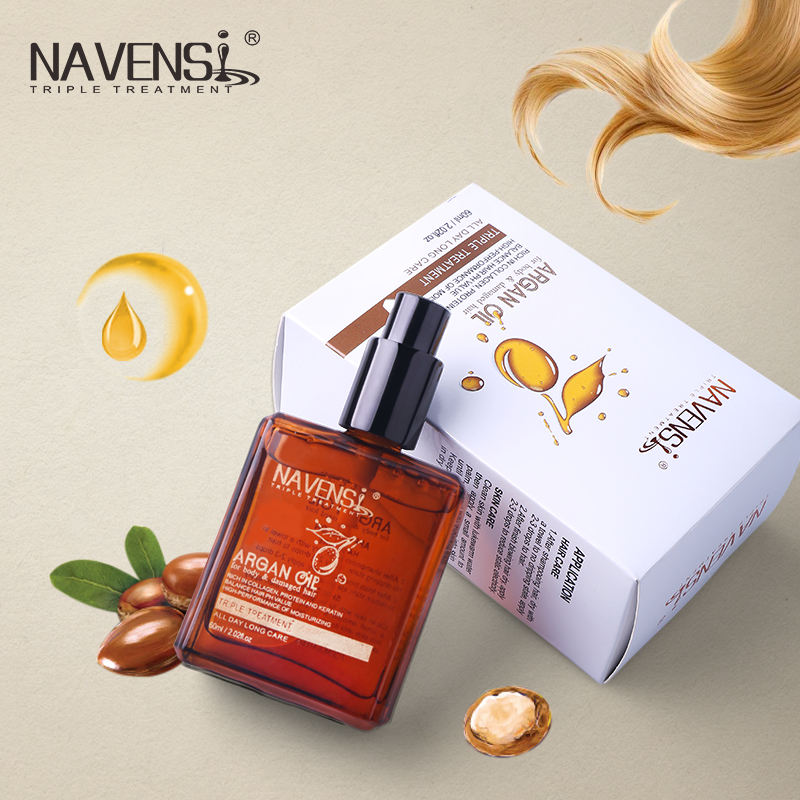
See our complete hair care manufacturing process and collagen vs keratin treatment for related context.
Pro Tips for Healthy Keratin-Treated Hair
Tip 1: Wait 72 hours before washing after a salon keratin treatment. Water too soon can disrupt the bond formation.
Tip 2: Use sulfate-free shampoo post-treatment. Sulfates strip the keratin fastest.
Tip 3: Limit heat styling for the first 2 weeks. Heat can damage freshly treated hair.
Tip 4: Use a silk or satin pillowcase. Reduces friction that can rough up the cuticle and reduce the treatment’s lifespan.
For more on keratin care, see our complete hair care manufacturing process.
5 Best Practices for Keratin Treatment Aftercare
Practice 1: Wait 72 hours before washing. This allows the bond formation to complete.
Practice 2: Use only sulfate-free shampoo. Sulfates strip the keratin faster than any other product.
Practice 3: Avoid chlorine and salt water for the first 2 weeks. Both can disrupt the treatment.
Practice 4: Minimize heat styling. Heat can damage freshly treated hair.
Practice 5: Sleep on a silk or satin pillowcase. Reduces friction that can shorten the treatment lifespan.
Frequently Asked Questions
Is keratin treatment safe?
Modern glyoxylic acid and formaldehyde-free treatments are safe. Traditional formaldehyde-based treatments carry health risks and are restricted in many countries.
How long does a keratin treatment last?
Salon treatments last 2-4 months (glyoxylic acid) or 3-6 months (traditional Brazilian). At-home masks last 1-4 weeks. Daily-use products last 1-7 days per use.
Can keratin treatment damage hair?
If done too frequently (every 4 weeks or less) or with too-high heat during sealing, yes. Done at proper intervals (every 3-4 months) with correct technique, it improves hair health.
Is keratin treatment good for thin hair?
It depends. Lightweight keratin products (shampoo, leave-in) work for thin hair. Heavy salon treatments can weigh down fine hair. Use sparingly.
Can I do keratin treatment at home?
Yes, at-home keratin masks and treatments are widely available. They are less dramatic than salon treatments but safer and more affordable. Look for hydrolyzed keratin in the ingredients.
About the Author
Ecolchi Editorial Team — 21 years of hair care manufacturing expertise. ISO 22716 / GMP / FDA / CE certified factory in Guangzhou, China. 1.2M+ bottles/month capacity. 9 in-house brands: Karseell, Ecolchi, Pallamina, Lusstaly, Romacy, Navensi, Chinchy, Delofil, Hischer. Exporting to 130+ countries.
Reviewed by: Chinchy R&D Team (6 graduate engineers, 20+ new products per year)
Sources & References:
Request Free Keratin Hair Treatment Consultation
No MOQ commitment. Sample lead time 3–5 days. Response within 24 hours.