
Rosemary Oil for Hair: Clinical Evidence & How to Use (2026)
- Rosemary oil for hair has strong clinical evidence: comparable to minoxidil 2% over 6 months (2015 Skinmed study).
- Active compounds: carnosic acid, rosmarinic acid. Improve scalp circulation, reduce inflammation.”,”Concentration: 1-3% in carrier oil. Pure rosemary oil causes irritation.
- Results take 3-6 months of consistent use.
- For brand owners: rosemary oil is a must-have natural ingredient for hair growth lines.
Rosemary oil has gained attention as a natural alternative to minoxidil for hair growth. A landmark 2015 clinical study compared rosemary oil 2% to minoxidil 2% and found comparable results. This guide covers the evidence and how to use rosemary oil effectively.
As a manufacturer that uses rosemary oil in 6+ brands, we have seen its effectiveness in formulations.
Table of Contents
- The Landmark 2015 Clinical Study
- Mechanism of Action: How Rosemary Oil Works
- Optimal Concentration: 1-3% in Carrier Oil
- Best Carrier Oils for Rosemary
- Recommendations for Brand Owners
- Frequently Asked Questions
The Landmark 2015 Clinical Study
Study citation: Panahi Y, Taghizadeh M, Marzony ET, Sahebkar A. Rosemary oil vs minoxidil 2% for the treatment of androgenetic alopecia: a randomized comparative trial. Skinmed. 2015;13(1):15-21.
Study design: 100 participants with androgenetic alopecia (pattern hair loss) were randomized to receive either rosemary oil 2% topical or minoxidil 2% topical for 6 months. Hair count was measured at baseline, 3 months, and 6 months.
Mechanism of Action: How Rosemary Oil Works
Improved circulation: rosmarinic acid promotes vasodilation in the scalp’s microcapillaries, increasing blood flow to hair follicles. Better circulation means more nutrients delivered.
Anti-inflammatory: carnosic acid inhibits COX-2 and other inflammatory pathways, reducing scalp inflammation that can contribute to hair loss.

Optimal Concentration: 1-3% in Carrier Oil
1% concentration: gentle, suitable for sensitive scalps. Less effective for hair growth but safe for daily use.
3% concentration: maximum effective concentration. Used in clinical studies. May cause irritation in sensitive scalps.

Best Carrier Oils for Rosemary
Jojoba oil: closest match to natural sebum. Lightweight, absorbs well. Best for normal to oily scalps.
Coconut oil: deeply penetrating. Reduces protein loss. Best for dry scalps and damaged hair.

Recommendations for Brand Owners
For brand owners: rosemary oil is a must-have for hair growth lines. Source from named regions (Tunisia, Morocco, Spain). Verify with GC/MS analysis for carnosic acid content. Use 1-3% in carrier oil.
Related Guides from Ecolchi
- Lusstaly Private Label Argan Oil Hair Oil
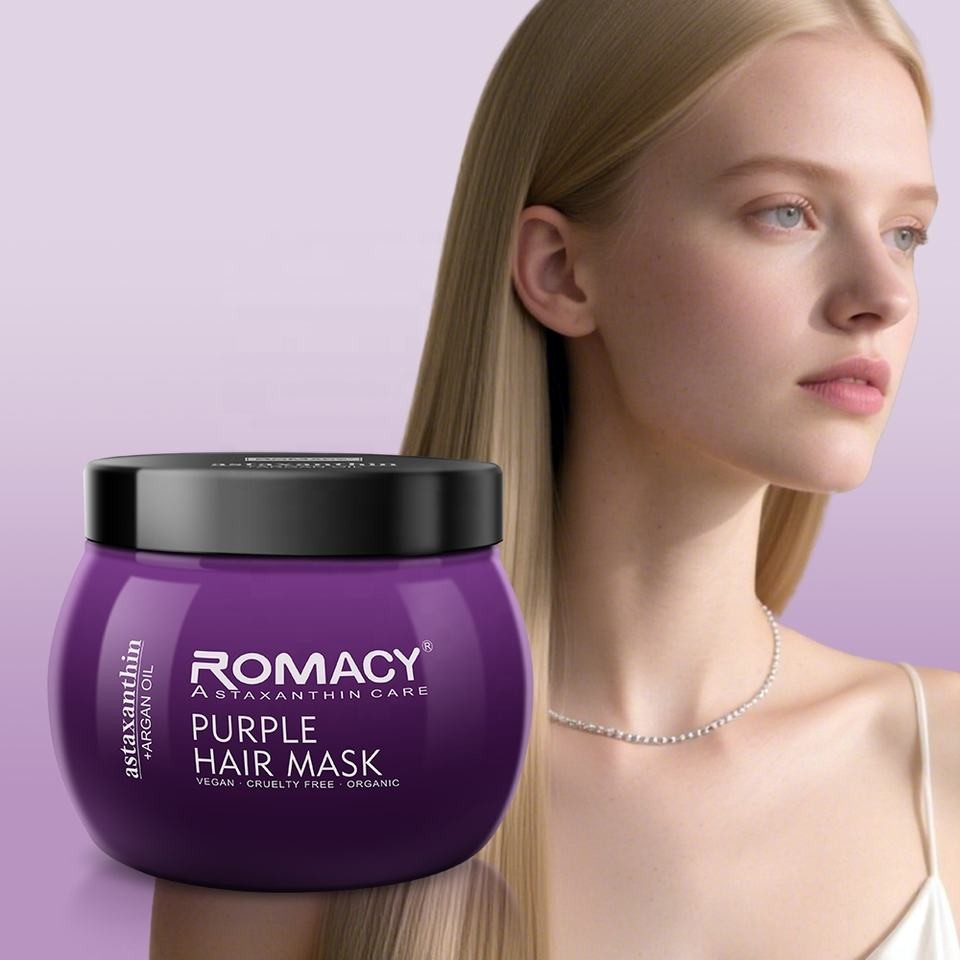
- Romacy Astaxanthin Argan Oil Collagen Professional Repairing
- Pallamina Leave In Hair Oil For Dry Damaged Hair Curl Repair
- Ecolchi OEM/ODM Moroccan Hair Care Essential Oil Best Stylin
- Navensi Keratin Private Label Sulfate Free Argan Oil Shampoo
Rosemary Oil: Sourcing and Quality Control
Source rosemary oil from named regions: Tunisia, Morocco, Spain, or France. These Mediterranean regions produce the highest carnosic acid content (2-4% in spring/early summer harvests).
Verify with GC/MS analysis: the certificate should show carnosic acid (target 2-4%), rosmarinic acid (target 1-3%), and 1,8-cineole (target 15-30%).
Storage: dark glass, 15-20°C, sealed. Improper storage causes 30-50% degradation of active compounds within 6 months. Use within 12 months of opening.
See our argan oil guide and astaxanthin hair care for other natural oils.
Rosemary Oil: The Evidence in Detail
The 2015 Panahi study was a randomized comparative trial with 100 participants. Both rosemary oil 2% and minoxidil 2% produced significant increases in hair count over 6 months. The rosemary oil group had significantly less scalp itching.
Mechanism studies: rosmarinic acid promotes vasodilation (improves circulation). Carnosic acid has anti-inflammatory and antioxidant properties. Both contribute to scalp health.
Limitations: most studies are small (under 100 participants) and short (under 6 months). Long-term effects are not well studied. Rosemary oil is not a cure for severe hair loss.
Rosemary Oil Quality Control: A Brand Owner’s Checklist
Check 1: source region. Mediterranean (Tunisia, Morocco, Spain, France) is preferred for high carnosic acid content.
Check 2: harvest season. Spring and early summer harvests have the highest carnosic acid (2-4%).
Check 3: extraction method. Steam distillation is the standard. Solvent extraction is lower quality.
Check 4: GC/MS certificate. Should show carnosic acid (2-4%), rosmarinic acid (1-3%), 1,8-cineole (15-30%).
Check 5: packaging. Dark glass, sealed, 15-20°C storage. Avoid plastic.
Rosemary Oil in Combination Products
Rosemary + peppermint: both stimulate scalp. Common in scalp serums. The combination may be more effective than either alone.
Rosemary + biotin: rosemary provides circulation support; biotin provides nutritional support. Good combination for hair growth serums.
Rosemary + argan: rosemary for scalp health; argan for hair conditioning. Effective in leave-in products.
Rosemary + minoxidil: some evidence suggests rosemary can complement minoxidil for hair growth. Discuss with a dermatologist before combining.
Rosemary Oil: Common Customer Questions
Q: Can I use rosemary oil every day? A: 2-3 times per week is the safe recommendation. Daily use may cause irritation in sensitive scalps.
Q: Can I mix rosemary oil with coconut oil? A: Yes, the combination is popular. Coconut oil for penetration, rosemary for circulation.
Q: Will rosemary oil make my hair grow faster? A: It may support healthy growth by improving scalp circulation. It does not directly accelerate growth rate.
Rosemary Oil: Brand Marketing Tips
Highlight the 2015 clinical study. It is the strongest evidence and is widely cited.
Position rosemary oil as a natural alternative to minoxidil. Many customers prefer natural options.
Use rosemary oil in multi-functional products. Scalp serums, leave-in treatments, hair oils. The versatility justifies premium pricing.
Rosemary Oil: Storage and Shelf Life
Pure rosemary essential oil has a shelf life of 2-3 years when stored properly. The oil is sensitive to light, heat, and oxygen.
Storage: dark glass bottle (amber or dark green), sealed, 15-20°C. Avoid plastic containers. Avoid direct sunlight.
Diluted rosemary oil products (1-3% in carrier oil) have shorter shelf life, typically 6-12 months. Use antioxidants (vitamin E) to extend.
For brand owners: specify storage conditions on labels. Include expiration date. Use dark packaging to protect from light.
Rosemary Oil: A Quick Recap
The 2015 clinical study showed rosemary oil 2% produced comparable hair growth to minoxidil 2% over 6 months, with less scalp itching.
For hair care, rosemary oil is a strong natural alternative to minoxidil. Use in scalp serums, leave-in treatments, and hair oils. Source from Mediterranean regions for highest carnosic acid content.
For more on this topic, see our in-depth guide on How Often Should You Use a Hair Mask? Expert Guide for Every.
Frequently Asked Questions
Does rosemary oil really work for hair?
Yes, a 2015 clinical study found rosemary oil 2% produced comparable hair growth to minoxidil 2% over 6 months, with less scalp itching. Several other studies support anti-inflammatory and circulation benefits.
How does rosemary oil work?
Rosemary oil contains carnosic acid and rosmarinic acid. These compounds improve scalp circulation, reduce inflammation, and may inhibit 5-alpha reductase (DHT).
What is the best concentration of rosemary oil?
1-3% concentration in a carrier oil is the standard formulation. Higher concentrations can cause scalp irritation.
Can I apply rosemary oil directly to scalp?
No, pure rosemary oil can burn the scalp. Always dilute to 1-3% in a carrier oil like jojoba, coconut, or argan.
How long does rosemary oil take to work?
Most studies show visible results in 3-6 months of consistent use. Shorter than 3 months typically does not show measurable changes.
About the Author
Ecolchi Editorial Team — 21 years of hair care manufacturing expertise. ISO 22716 / GMP / FDA / CE certified factory in Guangzhou, China. 1.2M+ bottles/month capacity. 9 in-house brands: Karseell, Ecolchi, Pallamina, Lusstaly, Romacy, Navensi, Chinchy, Delofil, Hischer. Exporting to 130+ countries.
Reviewed by: Chinchy R&D Team (6 graduate engineers, 20+ new products per year)
Sources & References:
Request Free Rosemary Oil Hair Consultation
No MOQ commitment. Sample lead time 3–5 days. Response within 24 hours.