
Silicones in Hair Care: Are They Safe? (Manufacturer’s Take) (2026)
- Silicones in hair care are safe but can cause buildup without proper cleansing.
- Types: dimethicone (heavy), cyclomethicone (light), dimethicone copolyol (water-soluble).”,”Benefits: smoothing, shine, frizz control, heat protection.
- Buildup: real concern with heavy silicones; use sulfate or clarifying shampoo monthly.
- For brand owners: silicones enable strong performance; offer both silicone and silicone-free options to serve all customers.
Silicones are among the most debated ingredients in hair care. Some brands market ‘silicone-free’ as a key feature, while others embrace silicones for their proven performance. This guide gives a manufacturer’s honest perspective.
As a manufacturer that uses silicones in 6+ products, we have a responsibility to be transparent.
Table of Contents
- 5 Types of Silicones in Hair Care
- 5 Benefits of Silicones in Hair Care
- Buildup: The Real Concern
- Alternatives to Silicones
- Recommendations for Brand Owners
- Frequently Asked Questions
5 Types of Silicones in Hair Care
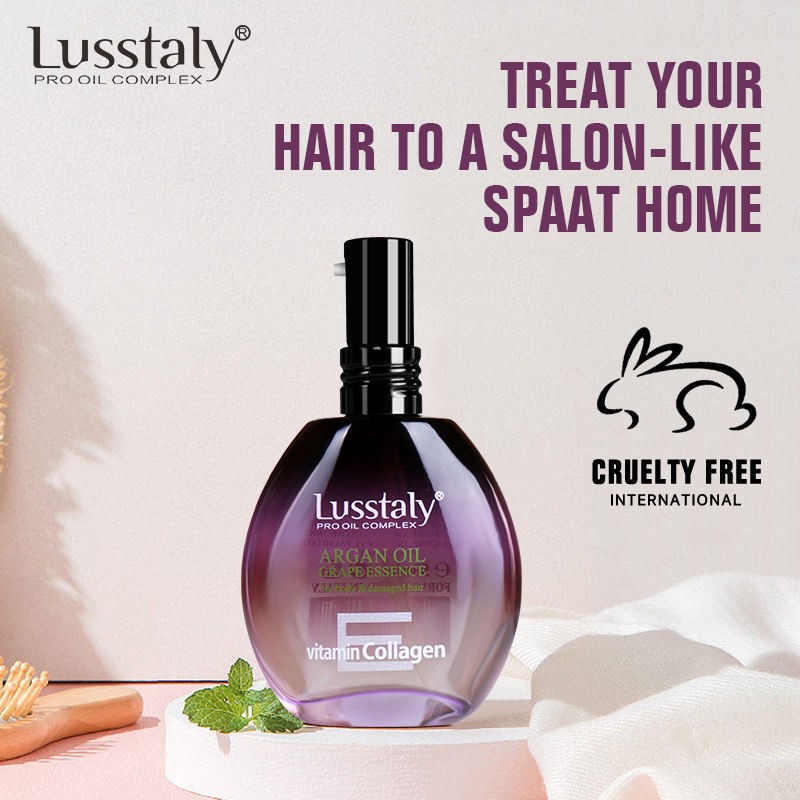
1. Dimethicone. The most common silicone in hair care. Heavy conditioning, smoothing, shine. Water-insoluble. Requires sulfate shampoo to remove.
2. Cyclomethicone. A volatile silicone that evaporates after application. Provides light conditioning and shine without buildup. Common in leave-in products.
5 Benefits of Silicones in Hair Care
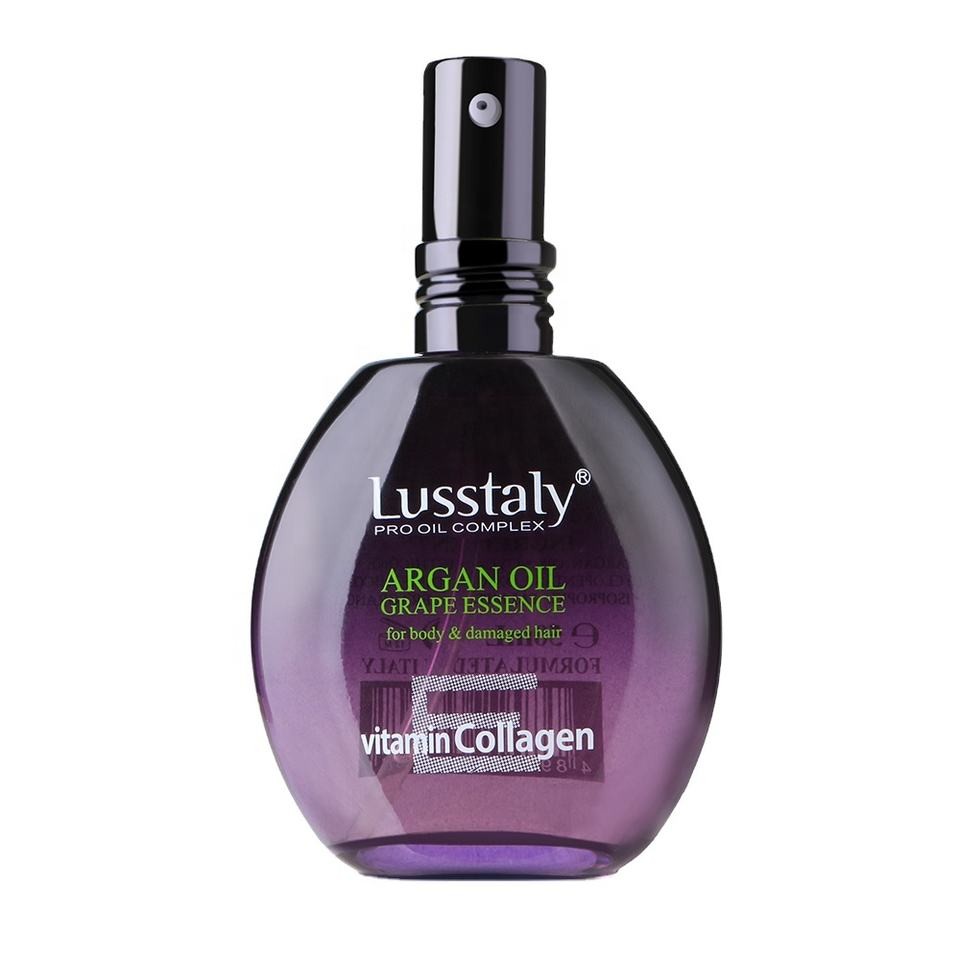
1. Smoothing. Silicones coat the hair shaft, smoothing the cuticle and reducing friction. Visible result: smoother, shinier hair.
2. Frizz control. The silicone film on the hair surface blocks humidity from penetrating. Result: less frizz in humid weather.
Buildup: The Real Concern
How buildup happens: heavy silicones (like dimethicone) deposit on the hair with each use. Without strong cleansers, the silicone film builds up over weeks or months.
Signs of buildup: hair feels heavy, looks dull, weighs down easily. Hair may be difficult to style or have less volume.
Alternatives to Silicones
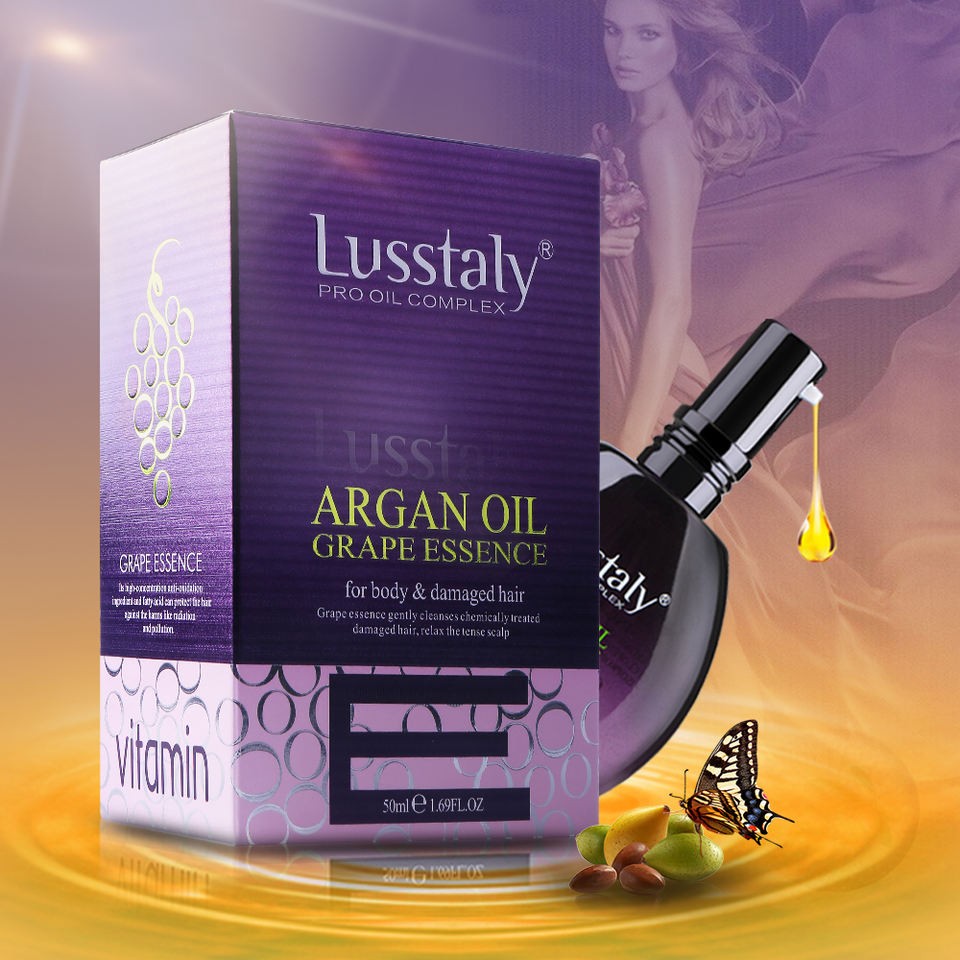
Plant-based oils: argan, jojoba, coconut. Provide some smoothing but not as effective as silicones. Buildup is similar but easier to remove.
Fatty alcohols: cetyl alcohol, cetearyl alcohol. Provide some conditioning and slip.
Recommendations for Brand Owners
For brand owners: silicones are highly effective. Offer both silicone and silicone-free options. Use water-soluble silicones (dimethicone copolyol) in some products to reduce buildup concerns.
Related Guides from Ecolchi
- Ecolchi OEM Custom Private Label Sulfate-free Shampoo Condit
- Romacy Wholesale Sulfate Free Argan Oil Shampoo Customized
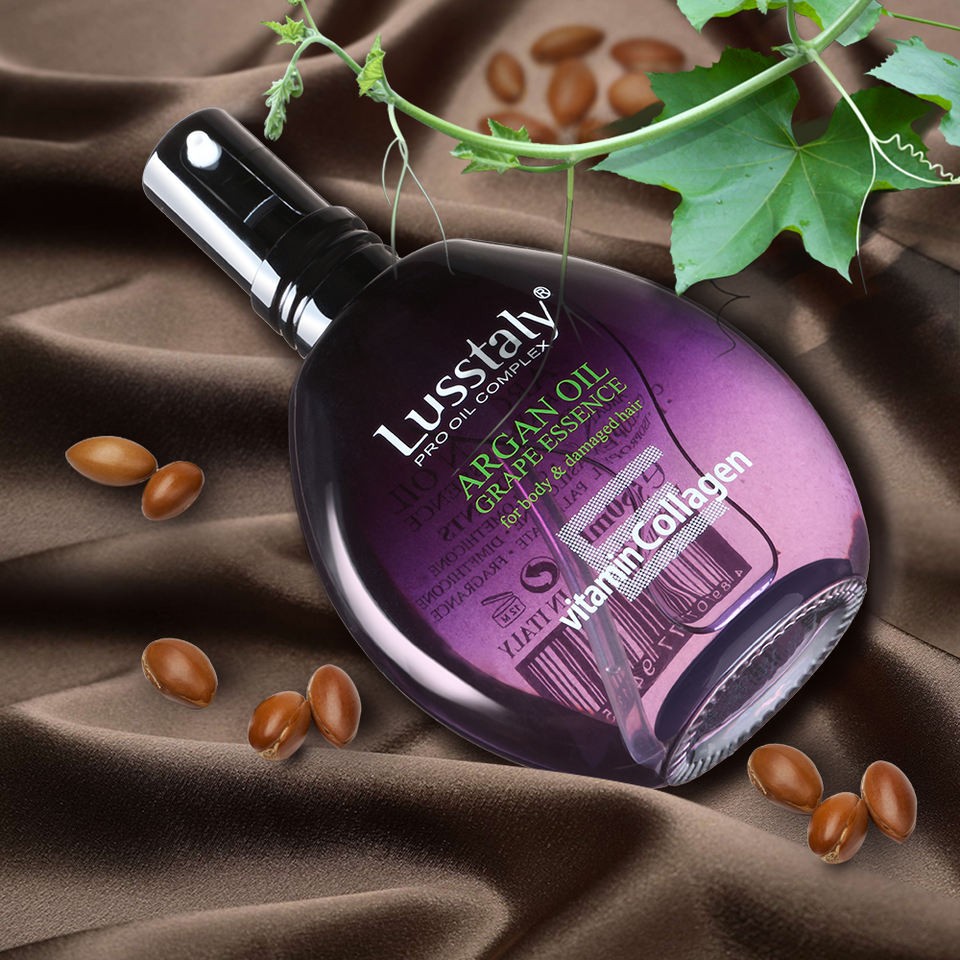
- Lusstaly Private Label Prevents Hair Moisture Professional H
- Karseell Prival Label OEM Manufacture Best Organic Shampoo
- Navensi Hair Care Organic Smoothing Keratin Hair Shampoo
Silicones: Choosing the Right Type
Dimethicone: the most common. Heavy conditioning, smoothing. Best for damaged or coarse hair. Can build up without sulfate shampoo.
Cyclomethicone: light, evaporating. Best for fine or oily hair. Less buildup but less conditioning.
Dimethicone copolyol: water-soluble, easy to wash out. Best for daily-use products. Balance of performance and easy removal.
Choose based on hair type: dimethicone for damaged/coarse, cyclomethicone for fine/oily, copolyol for daily use.
See our sulfate-free shampoo and parabens hair care for formulation context.
Silicones: The Honest Truth
The truth: silicones are safe and effective. The ‘silicone-free’ movement is mostly based on the buildup concern, not safety. With proper cleansing (sulfate shampoo monthly), buildup is manageable.
For brand owners: do not market silicone-free as ‘safer’ or ‘healthier’ than silicone-containing products. The science does not support this. Position silicone-free as a customer preference, not a safety issue.
Use water-soluble silicones (dimethicone copolyol) in daily-use products to reduce buildup concerns. Reserve heavy silicones (dimethicone) for intensive treatments and rinse-off products.
Silicone Buildup: How to Diagnose and Treat
Signs of silicone buildup: hair feels heavy, looks dull, weighs down easily. Hair may be difficult to style or have less volume.
Diagnosing: wash with a sulfate shampoo 2-3 times. If hair feels lighter and looks more vibrant, buildup was the issue.
Treatment: sulfate shampoo once a week for 2-3 weeks. Use a clarifying shampoo for severe buildup. Avoid silicone-containing products during treatment.
Prevention: use water-soluble silicones (dimethicone copolyol) in daily products. Reserve heavy silicones (dimethicone) for intensive treatments. Clarify monthly.
Silicone-Free Products: When to Choose
Choose silicone-free when: hair is prone to buildup, you use silicone products daily, you have low-porosity hair, you prefer natural formulations, you are sensitive to certain silicones.
Choose silicone-containing when: hair is severely damaged and needs heavy conditioning, hair is very coarse or thick, you style with heat regularly, you want maximum smoothing and shine.
Many products use a blend: small amount of silicone for performance, mostly non-silicone for base. Read labels carefully.
Silicones: The Honest Marketing Approach
Do not market silicone-containing products as ‘damaging’ or ‘harsh.’ This is exaggerated and damages industry trust.
Do not market silicone-free products as ‘cleaner’ or ‘healthier.’ The science does not support this.
Honest marketing: focus on what your product does, not what competitor products do not do. Build trust through transparency.
Silicones: Customer Education
Educate customers on what silicones do: smoothing, shine, frizz control. They are functional ingredients, not harmful chemicals.
Be honest about buildup. Heavy silicones can build up without proper cleansing. Recommend a clarifying shampoo monthly.
Offer silicone-free options for customers who prefer them. Some customers have lower tolerance for silicones.
Silicones: A Practical Guide for Brand Owners
Choose silicones based on hair type and product use. Dimethicone for damaged/coarse hair. Cyclomethicone for fine/oily. Copolyol for daily use.
For best performance: combine silicones with complementary ingredients. Silicones + proteins for strength. Silicones + oils for moisture. Silicones + humectants for hydration.
Communicate honestly. Do not over-claim silicone-free as ‘safer.’ Provide accurate information about the role of silicones in your products.
Silicones: A Quick Recap
Silicones are safe and effective. Heavy silicones can build up without proper cleansing, but the buildup is manageable with monthly clarifying.
For brand owners, silicones are functional ingredients. Choose the right type for your hair type and product use. Be honest in marketing about what silicones do.

For brand owners, silicones are functional ingredients that enable strong product performance. Choose the right silicone for your hair type and product use case. Heavy dimethicone for damaged or coarse hair, light cyclomethicone for fine or oily hair, water-soluble copolyol for daily use. Communicate honestly about what silicones do in your products, and provide accurate information about the role of silicones versus natural alternatives.
For more on this topic, see our in-depth guide on What Certifications Should a Hair Care OEM Manufacturer Have.
Frequently Asked Questions
Are silicones safe for hair?
Yes, silicones are safe for hair. They have been used in cosmetics for over 50 years with no significant safety concerns. They are non-toxic, non-irritating, and non-comedogenic.
Do silicones cause buildup?
Some do. Heavy silicones (like dimethicone) can build up over time, especially without sulfate shampoo. Use a clarifying shampoo monthly to remove buildup.
What is the best silicone for hair?
Dimethicone is the most common. Cyclomethicone is lighter and evaporates. Dimethicone copolyol is water-soluble and easier to wash out. Choose based on hair type.
Are silicones natural?
No, silicones are synthetic. They are made from silicon (a natural element) and processed chemically. There are some plant-based alternatives (like brassica alcohol) but they are not silicones.
Should I avoid silicones in hair care?
Not necessarily. Silicones are highly effective for smoothing, shine, and frizz control. The buildup concern is real but manageable with regular clarifying.
About the Author
Ecolchi Editorial Team — 21 years of hair care manufacturing expertise. ISO 22716 / GMP / FDA / CE certified factory in Guangzhou, China. 1.2M+ bottles/month capacity. 9 in-house brands: Karseell, Ecolchi, Pallamina, Lusstaly, Romacy, Navensi, Chinchy, Delofil, Hischer. Exporting to 130+ countries.
Reviewed by: Chinchy R&D Team (6 graduate engineers, 20+ new products per year)
Sources & References:
Request Free Silicones Hair Care Consultation
No MOQ commitment. Sample lead time 3–5 days. Response within 24 hours.