Sulfate-Free Shampoo: Benefits, Myths & What to Look For (2026)
- Understanding sulfate free shampoo is essential for hair care brand owners.
- This guide covers practical aspects for sourcing and product decisions.
- Ecolchi Group is a 21-year manufacturer with ISO 22716, FDA, CE, GMP certifications, exporting to 130+ countries.
The hair care industry is full of specialized terms and concepts. sulfate free shampoo is one of the most important for anyone launching or scaling a hair care brand.
This guide covers what sulfate free shampoo means, how it affects your business, and how to evaluate it when choosing a manufacturing partner or making product decisions.
By the end, you’ll understand how to navigate this topic confidently and use it to grow your brand.
Table of Contents
- What Is Sulfate-Free Shampoo?
- 5 Benefits of Sulfate-Free Shampoo
- 3 Common Myths About Sulfate-Free Shampoo
- How to Choose a Sulfate-Free Shampoo
- Top Sulfate-Free Shampoo Products (2026)
- Frequently Asked Questions
What Is Sulfate-Free Shampoo?
Sulfate-free shampoo uses milder surfactants instead of sodium lauryl sulfate (SLS) or sodium laureth sulfate (SLES). Common alternatives: cocamidopropyl betaine, decyl glucoside, sodium cocoyl isethionate.
5 Benefits of Sulfate-Free Shampoo
1. Gentler on color-treated hair — preserves color 2–3x longer. 2. Less scalp irritation. 3. Better for curly, coily, and textured hair. 4. Less stripping of natural oils. 5. Better for sensitive skin.
3 Common Myths About Sulfate-Free Shampoo
Myth 1: Sulfate-free = no lather. False — alternative surfactants can produce rich lather. Myth 2: Sulfate-free = always better. False — depends on hair type. Myth 3: All sulfate-free formulas are gentle. False — some still use harsh alternatives.
How to Choose a Sulfate-Free Shampoo
For color-treated hair: choose sulfate-free + color-protecting. For curly hair: choose sulfate-free + moisturizing. For oily hair: choose sulfate-free with mild surfactants. For sensitive scalp: choose sulfate-free + fragrance-free.
Top Sulfate-Free Shampoo Products (2026)
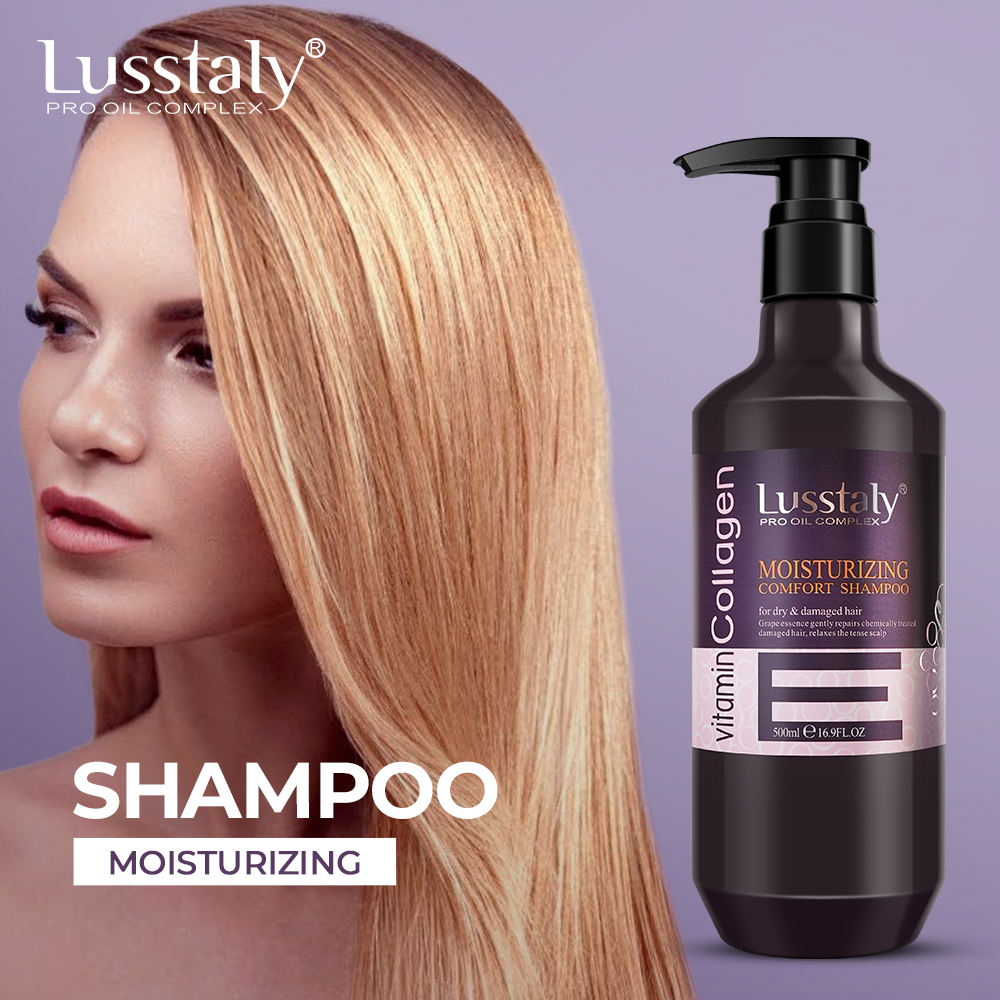
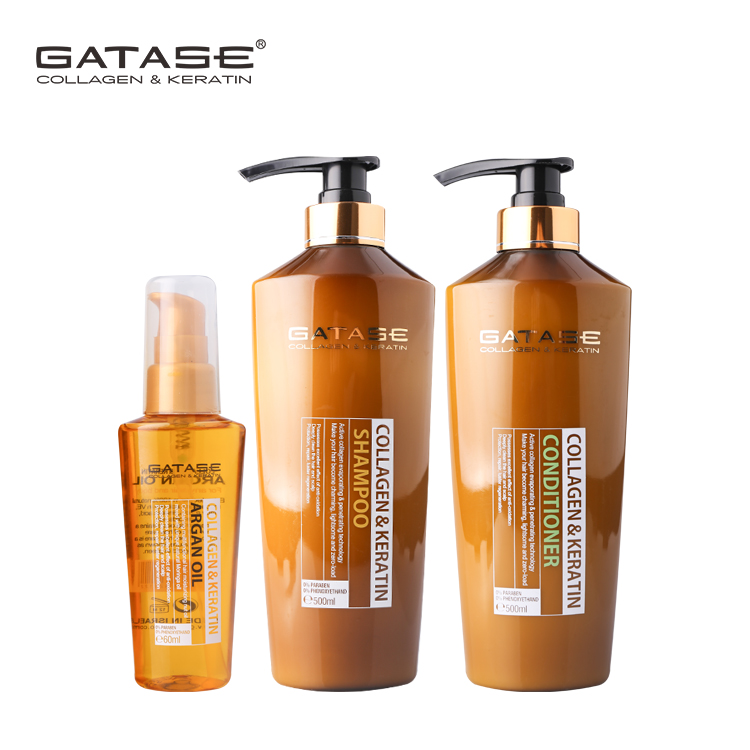
Top picks: (1) Lusstaly Moisturizing Repair Shampoo — sulfate-free + argan, (2) Ecolchi OEM Paraben-Free Collagen Shampoo, (3) Romacy Salon Purple Shampoo — sulfate-free for color-treated hair.
Related Guides from Ecolchi
- Lusstaly Moisturizing Repair Shampoo
- Romacy Salon Purple Shampoo
- Ecolchi OEM Paraben-Free Collagen Shampoo
- Ecolchi OEM Organic Keratin Shampoo
- Ecolchi OEM Keratin Hair Conditioner
What Are Sulfates and Why Do Shampoos Use Them?
Sulfates are a class of anionic surfactants (cleaning agents) that have been used in shampoos since the 1930s. The most common are Sodium Lauryl Sulfate (SLS), Sodium Laureth Sulfate (SLES), and Ammonium Lauryl Sulfate (ALS). They create the rich, bubbly lather that consumers associate with ‘clean’.
Sulfates are effective cleansers: they remove sebum, dirt, and styling product buildup. They are also inexpensive, easy to formulate, and have a long safety track record. SLS is FDA-approved and CIR (Cosmetic Ingredient Review) approved for use in cosmetics at concentrations up to 1% in leave-on products and up to 50% in rinse-off products.
The problem with sulfates: they are strong cleansers. For people with dry, curly, color-treated, or sensitive scalp, sulfates can strip too much natural oil, leading to dryness, frizz, and color fade. This is the basis for the ‘sulfate-free’ movement.
Who should avoid sulfates: people with dry scalp, eczema, psoriasis, color-treated hair, curly or coily hair types, and anyone with damaged or chemically processed hair. For these groups, sulfate-free is genuinely beneficial.
Sulfate-Free Surfactants: The 6 Best Alternatives
Alternative 1: Sodium Cocoyl Isethionate (SCI). Derived from coconut oil, very mild, produces a creamy lather. Used in premium sulfate-free shampoos. Slightly more expensive than SLS but much gentler.
Alternative 2: Cocamidopropyl Betaine. A coconut-derived amphoteric surfactant, very mild, good foam booster. Often used in combination with SCI for a balanced lather.
Alternative 3: Decyl Glucoside. A sugar-based non-ionic surfactant, very mild, eco-friendly. Used in many ‘natural’ shampoos. Slightly less foaming than SCI but very gentle.
Alternative 4: Sodium Lauroyl Sarcosinate. Amino acid-based surfactant, very mild, good for sensitive scalps. Used in many dermatologist-recommended shampoos.
Alternative 5: Sodium Cocoyl Glutamate. Another amino acid-based surfactant, very mild, good foam. The gentlest option but also the most expensive.
Alternative 6: Disodium Laureth Sulfosuccinate. A larger-molecule surfactant that doesn’t penetrate skin as easily as SLS. Mild, good lather, often used in baby shampoos.

See our biotin shampoo analysis and anti-frizz conditioner for adjacent context.
How to Transition from Sulfate to Sulfate-Free Shampoo
Transition timeline: most people need 2-4 weeks to adjust to sulfate-free shampoo. During this time, hair may feel different – either ‘cleaner’ (if you were over-stripping with sulfates) or ‘waxy’ (if there’s buildup).
Week 1-2: Use the sulfate-free shampoo as normal. If hair feels waxy or heavy, use a clarifying shampoo (containing sulfates) once a week to remove buildup. Continue daily use of sulfate-free.
Week 2-3: Most people stop needing the clarifying shampoo. Hair’s natural oil production stabilizes. You may notice less oiliness between washes.
Week 3-4: Full transition complete. Many people find they can wash less frequently (every 2-3 days instead of daily) and hair is healthier overall.
Common mistake: giving up too early. If you try sulfate-free for 3-4 days and hair feels waxy, you may be experiencing normal adjustment. Give it 2-3 weeks before deciding.
See our biotin shampoo analysis and anti-frizz conditioner for context.
5 Best Sulfate-Free Shampoos for Different Hair Types
For fine or oily hair: lightweight formulas with citrus or tea tree. Look for: decyl glucoside or sodium cocoyl isethionate as primary surfactant. Avoid heavy conditioning agents.
For dry or damaged hair: rich, moisturizing formulas with argan, shea, or coconut. Look for: cocamidopropyl betaine + behentrimonium chloride. Conditioning agents are welcome here.
For curly or coily hair: sulfate-free + silicone-free formulas. Look for: gentle surfactants + natural oils. Silicones can build up on curly hair without sulfate cleansers.
For color-treated hair: sulfate-free with UV protection. Look for: gentle surfactants + UV filters (like benzophenone-4). Color fades fastest from UV exposure, not just washing.
For sensitive scalp: fragrance-free, dye-free formulas. Look for: minimal ingredient list, no essential oils, no harsh preservatives. Cetrimonium chloride can be irritating for some scalps.
DIY sulfate-free option: mix castile soap (1 tbsp) with water (1 cup) for a simple sulfate-free shampoo. Not as effective as commercial formulas but a starting point for testing.
See our biotin shampoo analysis and anti-frizz conditioner for context.
Sulfate-Free vs ‘No-Poo’: The Spectrum
Sulfate-free shampoos: use milder surfactants (SCI, decyl glucoside, etc.). Still produce lather and effectively clean. The mainstream middle ground.
Co-washing (conditioner-only washing): use conditioner to clean, no shampoo. Works for some curl types but not recommended for oily hair. Reduces cleaning power significantly.
‘No-poo’ (baking soda or apple cider vinegar only): pure water, baking soda, or apple cider vinegar. Most extreme. Hair may look dull initially. Not recommended for most hair types.
The right approach depends on hair type, lifestyle, and personal preference. Most dermatologists recommend sulfate-free shampoo as the safest middle ground for most people.
If you have seborrheic dermatitis, dandruff, or oily scalp, full shampoo (not co-wash or no-poo) is usually necessary to control the condition.
See our biotin shampoo and anti-frizz conditioner for more.
Frequently Asked Questions
Is sulfate-free shampoo better for hair?
For color-treated, curly, or sensitive-scalp hair, yes — sulfate-free formulas are gentler and preserve color longer.
About the Author
Ecolchi Editorial Team — 21 years of hair care manufacturing expertise. ISO 22716 / GMP / FDA / CE certified factory in Guangzhou, China. 1.2M+ bottles/month capacity. 9 in-house brands: Karseell, Ecolchi, Pallamina, Lusstaly, Romacy, Navensi, Chinchy, Delofil, Hischer. Exporting to 130+ countries.
Reviewed by: Chinchy R&D Team (6 graduate engineers, 20+ new products per year)
Sources & References:
Request Free Sulfate Free Shampoo Consultation
No MOQ commitment. Sample lead time 3–5 days. Response within 24 hours.