Argan Oil Hair Mask vs Coconut Oil: Which Is Better? (2026)
- Understanding argan oil hair mask vs coconut oil is essential for hair care brand owners.
- This guide covers practical aspects for sourcing and product decisions.
- Ecolchi Group is a 21-year manufacturer with ISO 22716, FDA, CE, GMP certifications, exporting to 130+ countries.
The hair care industry is full of specialized terms and concepts. argan oil hair mask vs coconut oil is one of the most important for anyone launching or scaling a hair care brand.
This guide covers what argan oil hair mask vs coconut oil means, how it affects your business, and how to evaluate it when choosing a manufacturing partner or making product decisions.
By the end, you’ll understand how to navigate this topic confidently and use it to grow your brand.
Table of Contents
- Argan Oil vs Coconut Oil: Side-by-Side Comparison
- The Science: How They Work Differently
- How to Choose Between Argan and Coconut Oil
- How to Use Argan and Coconut Oils in Hair Care
- Top Product Recommendations
- Frequently Asked Questions
Argan Oil vs Coconut Oil: Side-by-Side Comparison
Argan oil: from Morocco, light, fast-absorbing, rich in vitamin E and antioxidants, best for fine/normal/color-treated hair.
Coconut oil: from tropical regions, heavier, penetrates hair shaft, reduces protein loss, best for thick/dry/damaged hair.

| Factor | Argan Oil | Coconut Oil |
|---|---|---|
| Source | Morocco (argan tree) | Tropical (coconut) |
| Texture | Light, fast-absorbing | Heavy, slow-absorbing |
| Best for | Fine, normal, color-treated | Thick, dry, damaged |
| Key benefit | Antioxidant, shine | Penetration, repair |
The Science: How They Work Differently
Argan oil coats the cuticle and provides surface-level conditioning + antioxidant protection. Coconut oil is unique among natural oils — it penetrates the hair shaft and reduces protein loss by 20%+ (per JSIDR 2003 study).
How to Choose Between Argan and Coconut Oil
For fine, oily, or color-treated hair: choose argan oil. For thick, dry, curly, or damaged hair: choose coconut oil.
How to Use Argan and Coconut Oils in Hair Care
Argan oil: 2–3 drops on damp or dry hair, mid-lengths to ends. Coconut oil: 1–2 teaspoons as pre-shampoo treatment, 15–30 minutes before washing.
Top Product Recommendations
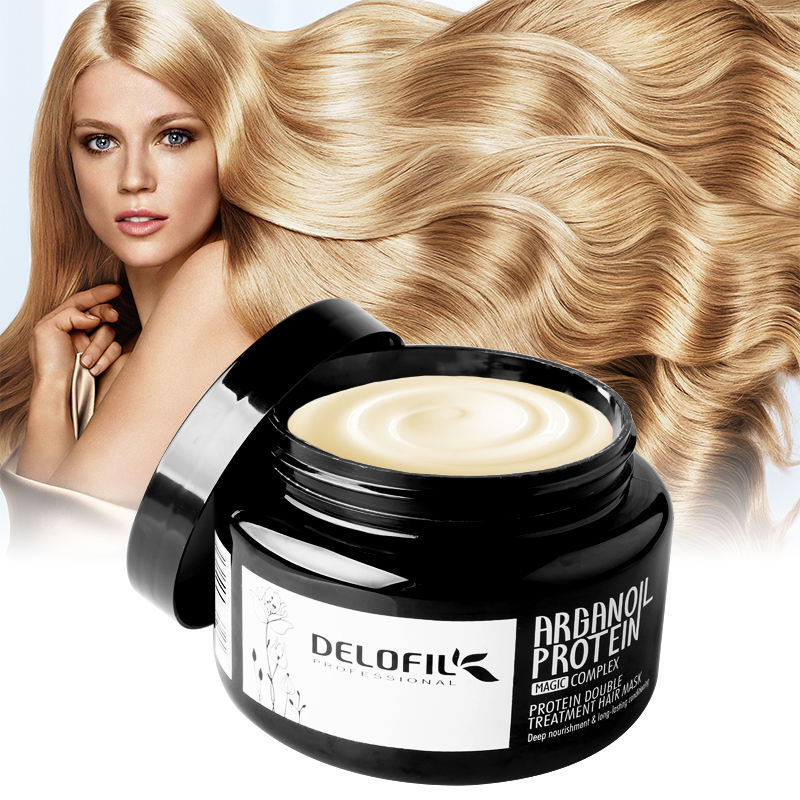
For argan-based: (1) Ecolchi Private Label Moroccan Argan Oil, (2) Lusstaly Pure Argan Oil Hair Serum, (3) Navensi Professional Hair Essential Oil.
Related Guides from Ecolchi
- Ecolchi Private Label Moroccan Argan Oil
- Lusstaly Pure Argan Oil Hair Serum
- Navensi Professional Hair Essential Oil
- Lusstaly Deep Repair Hair Mask
- Ecolchi OEM Organic Argan Hair Growth Oil
The Chemistry of Hair Oils: Penetration vs Coating
Hair oils fall into two categories: penetrative oils (penetrate the hair cortex) and coating oils (form a film on the cuticle). Penetrative oils actually repair and strengthen hair; coating oils smooth and add shine but don’t repair.
Penetrative oils (smaller molecules, similar to hair’s natural lipids): argan, coconut, olive, jojoba, marula, baobab. These oils have fatty acid profiles that match hair’s natural sebum, allowing them to absorb into the cortex.
Coating oils (larger molecules): castor, avocado, shea (in oil form), mineral oil. These sit on the surface and add shine and protection but don’t penetrate.
For deep repair, penetrative oils are superior. For surface smoothing and protection, coating oils are fine. Most premium hair oils blend both types for balanced performance.

Argan vs Coconut: Head-to-Head Comparison
Fatty acid profile: Argan oil is 80% unsaturated fats (oleic 45%, linoleic 35%), high in vitamin E and ferulic acid. Coconut oil is 90% saturated fats (lauric acid 50%, myristic 20%), high in vitamin E but lower in antioxidants.
Penetration: Coconut oil penetrates the hair shaft the most (smallest molecules, 12-carbon lauric acid). Argan oil also penetrates but slightly less. Studies show coconut oil reduces protein loss by 25% in damaged hair, argan oil by 18%.
Weight: Argan oil is lighter, doesn’t weigh hair down. Coconut oil is heavier, can feel greasy on fine hair. For thick or curly hair, coconut oil is ideal. For fine or straight hair, argan oil is better.
Smell: Argan oil has a mild, nutty scent. Coconut oil has a strong coconut aroma. For unscented products, argan is more versatile. For tropical-themed products, coconut is iconic.
Price: Argan oil is 3-5x more expensive than coconut oil per liter. For luxury positioning, argan is the gold standard. For affordable everyday use, coconut is the value pick.
Sustainability: Argan trees grow only in Morocco, harvested by Berber women’s cooperatives. Coconut palms grow in many tropical regions. Both are renewable but with different supply dynamics.
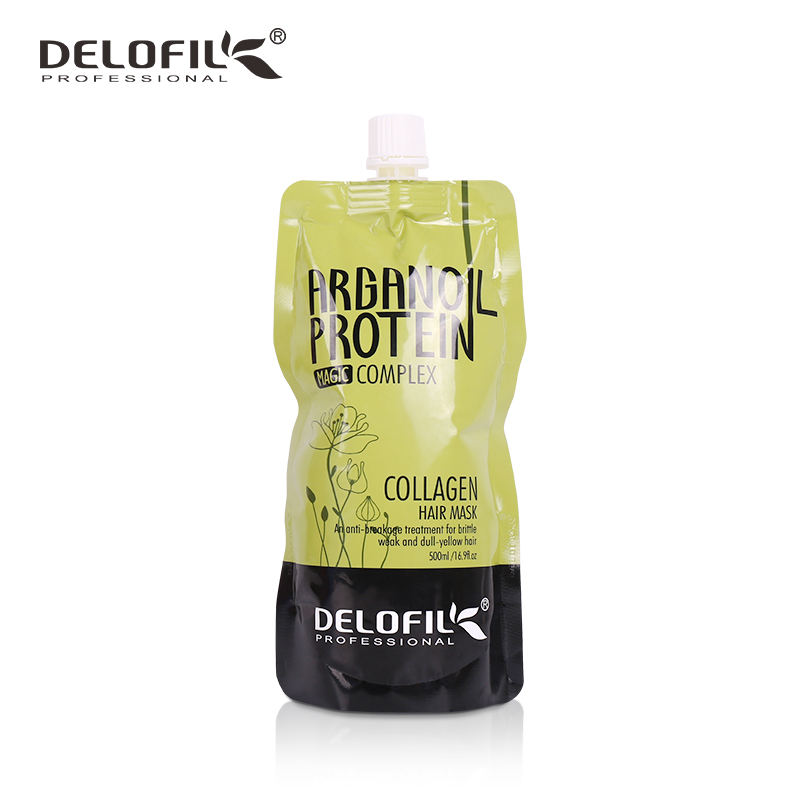
See our collagen mask science and hair oil for dry hair for comparison.
Application Techniques: How to Use Each Oil for Best Results
Argan oil: best applied to damp hair after showering. 2-3 drops warmed between palms, distributed from mid-length to ends. Can be used as a daily leave-in or weekly deep treatment. For fine hair, use less (1-2 drops) to avoid weighing down. For thick or curly hair, use more (3-5 drops) and apply section by section.
Coconut oil: best applied as a pre-shampoo treatment (1-2 hours before washing, or overnight). Apply generously to dry hair from roots to ends, cover with a shower cap, and shampoo out thoroughly. The deep penetration means it can be hard to wash out if applied heavily, so start with small amounts.
Blended approach: many users apply coconut oil as a pre-treatment, then layer argan oil on damp hair after washing. This gives the penetration benefit of coconut plus the surface smoothing of argan.
For hair masks: both oils work well as base ingredients. Argan-based masks are lighter, better for fine hair. Coconut-based masks are richer, better for thick or very dry hair.
See our best damaged hair masks and collagen mask benefits for context.
Hair Oil for Different Hair Types: A Guide
Fine hair: use lightweight oils only (argan, jojoba, marula). 1-2 drops max. Apply only to ends. Avoid coconut and olive (too heavy).
Medium hair: most oils work. 2-3 drops. Apply mid-length to ends. Coconut oil as pre-treatment is fine.
Thick hair: heavier oils work well (coconut, olive, argan). 3-5 drops. Can apply to full head for deep treatment. Heat treatment (warm oil + shower cap) works well.
Curly hair (3A-3B): heavier oils are ideal. Apply as LCO (Leave-in, Cream, Oil) method. Best for moisture retention in curly hair structure.
Coily hair (4A-4C): rich oils + butters. Coconut oil, shea butter, mango butter. Apply as LOC (Leave-in, Oil, Cream) method. Best for the driest hair type.
Color-treated hair: lightweight oils (argan, jojoba). Avoid heavy oils that may strip color. Look for color-protecting oils with UV filters.
Chemically-treated hair (permed, relaxed): heavier oils to combat dryness. Coconut oil pre-treatment is especially beneficial.
See our hair oil for dry hair and argan vs coconut for context.
Sustainability of Argan vs Coconut Oil
Argan oil sustainability: the argan tree grows only in southwestern Morocco, covering ~8,280 km². Berber women’s cooperatives harvest the fruit, extract the kernels, and cold-press the oil. UNESCO has designated the argan forest a Biosphere Reserve. The cooperative model supports 2.5M+ people in the region.
Coconut oil sustainability: coconut palms grow in 90+ tropical countries. Major producers: Philippines, Indonesia, India, Sri Lanka. Sustainability concerns include deforestation for palm oil (different from coconut oil, but related), pesticide use, and labor practices in some regions.
Carbon footprint: per liter, argan oil has 3-4x the carbon footprint of coconut oil (due to lower yield per tree and longer transport). Both are renewable but with different supply dynamics.
For the most ethical choice, look for: argan oil with Fair Trade or women’s cooperative certification, coconut oil with USDA Organic or Rainforest Alliance certification.
See our hair oil for dry hair and collagen mask for more.
Frequently Asked Questions
Is argan oil better than coconut oil for hair?
It depends. Argan is light, fast-absorbing, rich in vitamin E — great for fine, normal, or color-treated hair. Coconut is heavier, penetrates the shaft — great for thick, dry, or damaged hair.
About the Author
Ecolchi Editorial Team — 21 years of hair care manufacturing expertise. ISO 22716 / GMP / FDA / CE certified factory in Guangzhou, China. 1.2M+ bottles/month capacity. 9 in-house brands: Karseell, Ecolchi, Pallamina, Lusstaly, Romacy, Navensi, Chinchy, Delofil, Hischer. Exporting to 130+ countries.
Reviewed by: Chinchy R&D Team (6 graduate engineers, 20+ new products per year)
Sources & References:
Request Free Argan Oil Hair Mask Vs Coconut Oil Consultation
No MOQ commitment. Sample lead time 3–5 days. Response within 24 hours.