
Coconut Oil for Hair: The Good, The Bad, The Ugly (2026)
- Coconut oil for hair is the most studied natural oil with real benefits and some limitations.
- Best feature: small lauric acid molecules penetrate the hair shaft deeper than most oils.
- Limitations: can cause protein buildup, may be drying for some hair types, not for oily scalps.
- Use 1-2x per week as pre-shampoo treatment; not for daily use.
- For brand owners: coconut oil is well-researched but not universal. Choose customer carefully.
Coconut oil is one of the most popular and most studied natural oils for hair. It has real benefits but also some limitations. This guide gives an honest, evidence-based look at coconut oil for hair.
As a manufacturer that uses coconut oil in 5+ products, we have seen both its benefits and its limitations.
Table of Contents
- The Good: 5 Evidence-Based Benefits
- The Bad: 3 Limitations
- The Ugly: 3 Common Mistakes
- How to Use Coconut Oil Correctly
- Recommendations for Different Hair Types
- Frequently Asked Questions
The Good: 5 Evidence-Based Benefits
1. Deep penetration. Coconut oil is unique among natural oils because its small lauric acid molecules can actually penetrate the hair shaft. Most other oils sit on the surface.
2. Reduces protein loss. Studies show coconut oil reduces protein loss by 25% in damaged hair. This is significantly more than other natural oils.

The Bad: 3 Limitations
1. Can cause protein buildup. With overuse, coconut oil can build up on hair and make it feel stiff or straw-like. Weekly use is usually enough; daily use is not recommended.
2. May be drying for some hair types. Despite being a moisturizer, coconut oil can be drying for low-porosity hair or hair that has been heavily bleached.

The Ugly: 3 Common Mistakes
1. Using refined coconut oil. Refined coconut oil loses many beneficial compounds. Use unrefined (virgin) coconut oil for hair care.
2. Using too much. Coconut oil is concentrated. A small amount (1-2 tablespoons for shoulder-length hair) is enough. More is not better.
How to Use Coconut Oil Correctly
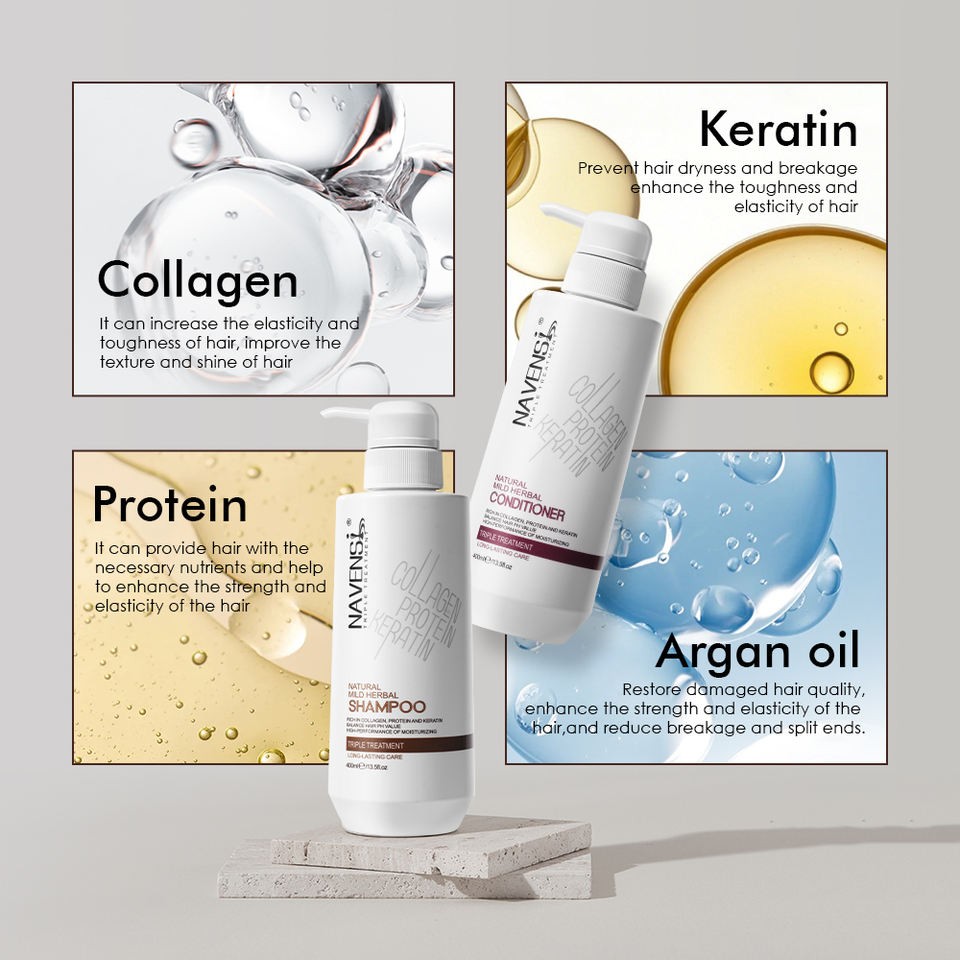
Method 1: Pre-shampoo treatment. Apply 1-2 tablespoons to dry hair 30 minutes before shampooing. Provides deep conditioning without weighing down hair.
Method 2: Overnight treatment. Apply to dry hair, cover with a shower cap, leave overnight. Wash out in the morning (may need 2 shampoos).
Recommendations for Different Hair Types
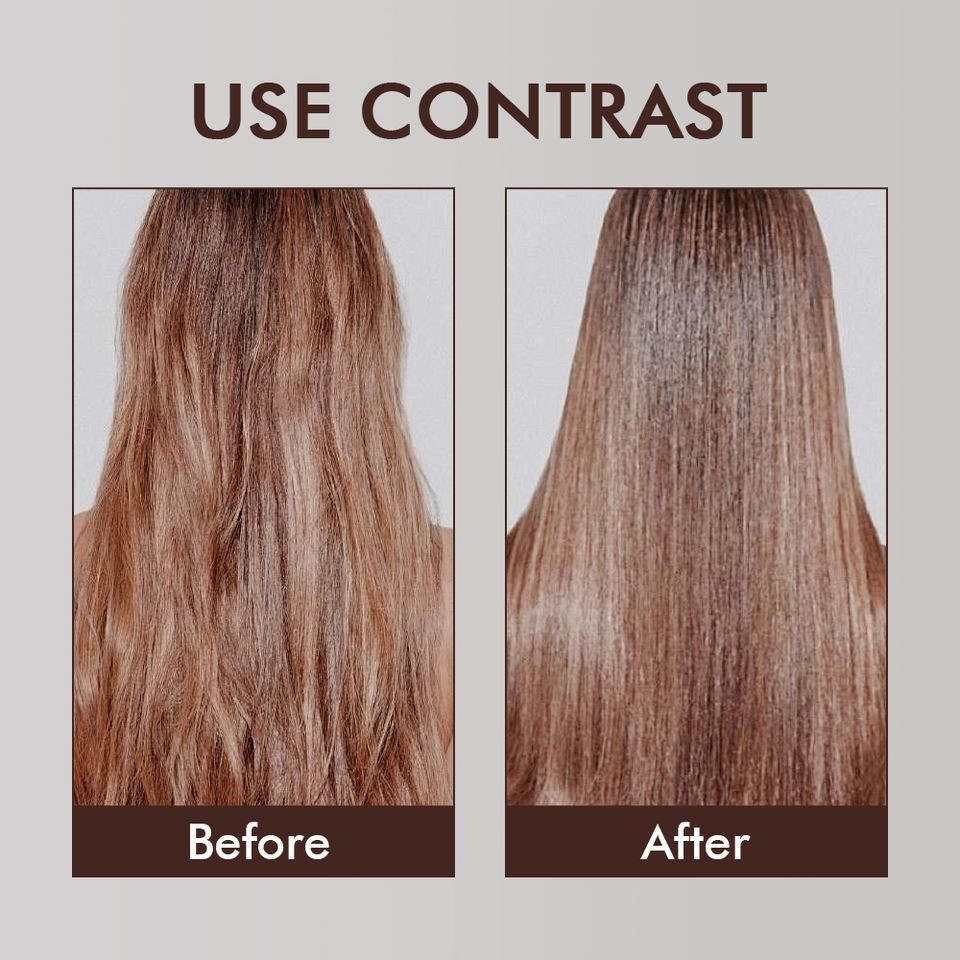
For fine or oily hair: use sparingly, once every 2-4 weeks. Pre-shampoo only.
For medium to thick hair: weekly use as pre-shampoo is fine.
Related Guides from Ecolchi
- Karseell Factory Price Famous Brand Karseell Maca Repair Col
- Romacy Wholesale Salon Hair Care Professional Argan Oil Hair
- Lusstaly Collagen Professional Hair Mask Treatment Protein
- Pallamina OEM ODM Deep Repair Argan Oil Collagen Hair Mask
- Ecolchi OEM/ODM Biotin Keratin Hair Mask Repair Moisturizing
Coconut Oil: When It Works and When It Does Not
Coconut oil works best for: low-porosity hair (absorbs well), thick or coarse hair, dry or damaged hair, deep pre-shampoo treatments. Use 1-2x per week.
Coconut oil does not work well for: high-porosity hair (buildup), oily hair, low-porosity hair with protein sensitivity. Daily use causes issues for these hair types.
For brand owners: position coconut oil carefully. Do not market as universal. Different hair types have different needs. Offer alternatives (argan, jojoba) for customers who do not tolerate coconut.
See our argan vs coconut oil and hair oil for dry hair for oil comparison.
Coconut Oil: The Controversy Explained
Pro-coconut: studies show coconut oil reduces protein loss by 25% in damaged hair. It penetrates the hair shaft better than most oils. It is affordable and widely available.
Anti-coconut: can cause protein buildup with overuse. Can be drying for low-porosity hair. Not ideal for oily hair. Saturated fat content is a concern for some health-conscious consumers.
The truth: coconut oil is a good hair oil for many people but not universal. Hair type, porosity, and personal preference matter. For brand owners: offer alternatives (argan, jojoba) for customers who do not tolerate coconut.
Coconut Oil in Commercial Formulations: What to Know
Refined vs unrefined: refined coconut oil is bleached and deodorized, removing natural antioxidants. Unrefined (virgin) retains them. For hair care, unrefined is preferred.
Fractionated coconut oil (MCT oil): the lauric acid is removed, leaving only medium-chain triglycerides. Lighter texture, faster absorption. Common in lightweight hair products.
Coconut-derived surfactants: sodium cocoyl isethionate (SCI), cocamidopropyl betaine. These are coconut-derived but not coconut oil. Used as sulfate alternatives.
For brand owners: choose coconut oil source carefully. Cold-pressed, unrefined, organic certifications add value. Specify in product descriptions.
Coconut Oil: Marketing and Customer Education
Customer education: many customers misunderstand coconut oil. Some think it makes hair greasy. Others think it is a miracle cure. Honest education is important.
Positioning options: (1) Deep conditioning for damaged hair, (2) Pre-shampoo treatment for all hair types, (3) Styling product for coarse hair, (4) Traditional natural remedy with modern validation.
For brand owners: do not market coconut oil as universal. Different hair types have different needs. Provide guidance on usage for different hair types in product descriptions.
Coconut Oil: Honest Brand Positioning
Coconut oil is a traditional, well-loved hair care ingredient. Many customers have positive associations with it. Use this in marketing.
Be honest about limitations. Not all hair types benefit equally. Position as one option among many, not a universal solution.
Consider offering coconut-free alternatives for customers with low-porosity hair or protein sensitivity. Argan, jojoba, and other oils are better for these hair types.
Coconut Oil: 5 Marketing Tips
Tip 1: highlight the traditional use of coconut oil for hair. Generations of positive associations.
Tip 2: emphasize the science. Studies show 25% reduction in protein loss. This is significant.
Tip 3: be honest about limitations. Not all hair types benefit equally. Provide guidance for different hair types.
Tip 4: offer alternatives for customers who do not tolerate coconut. Argan, jojoba, marula are all good options.
Tip 5: use sustainably sourced coconut oil. The supply chain matters to conscious consumers.
Coconut Oil: The Traditional and Modern Approach
Coconut oil has been used for hair care in tropical regions for centuries. Modern science validates the traditional use with studies showing 25% protein loss reduction.
For brand owners: coconut oil has strong consumer recognition. Use this in marketing. ‘The traditional hair care secret, now backed by modern science.’
Be honest about limitations. Coconut oil is not universal. Different hair types have different needs. Offer alternatives for customers who do not tolerate coconut.
For more on this topic, see our in-depth guide on Hair Oil Private Label: 6 Decision Factors When Choosing a S.
Frequently Asked Questions
Is coconut oil good for hair?
Yes, in many cases. Coconut oil is the most studied natural oil for hair. It penetrates the hair shaft better than most other oils and provides deep conditioning.
Can coconut oil damage hair?
In some cases, yes. Coconut oil is high in lauric acid which can be drying for some hair types. It can also cause protein buildup with overuse.
Is refined or unrefined coconut oil better?
Unrefined (virgin) coconut oil is better for hair. It retains the natural antioxidants and beneficial compounds. Refined coconut oil loses many of these.
How often should I use coconut oil on hair?
1-2x per week as a pre-shampoo treatment. Daily use can cause buildup in some hair types.
Can I leave coconut oil in hair overnight?
Yes, coconut oil is safe for overnight treatment. Cover with a shower cap or silk pillowcase. Wash out thoroughly in the morning (may need 2 shampoos).
About the Author
Ecolchi Editorial Team — 21 years of hair care manufacturing expertise. ISO 22716 / GMP / FDA / CE certified factory in Guangzhou, China. 1.2M+ bottles/month capacity. 9 in-house brands: Karseell, Ecolchi, Pallamina, Lusstaly, Romacy, Navensi, Chinchy, Delofil, Hischer. Exporting to 130+ countries.
Reviewed by: Chinchy R&D Team (6 graduate engineers, 20+ new products per year)
Sources & References:
Request Free Coconut Oil Hair Consultation
No MOQ commitment. Sample lead time 3–5 days. Response within 24 hours.