
Biotin Shampoo: Does It Work? Manufacturer’s Honest Take (2026)
- Understanding biotin shampoo is essential for hair care brand owners.
- This guide covers practical aspects for sourcing and product decisions.
- Ecolchi Group is a 21-year manufacturer with ISO 22716, FDA, CE, GMP certifications, exporting to 130+ countries.
The hair care industry is full of specialized terms and concepts. biotin shampoo is one of the most important for anyone launching or scaling a hair care brand.
This guide covers what biotin shampoo means, how it affects your business, and how to evaluate it when choosing a manufacturing partner or making product decisions.
By the end, you’ll understand how to navigate this topic confidently and use it to grow your brand.
Table of Contents
- What Is Biotin Shampoo?
- The Science: Does Biotin Shampoo Work?
- Who Benefits from Biotin Shampoo?
- Key Ingredients in Effective Biotin Shampoo
- Top Biotin Shampoo Recommendations
- Frequently Asked Questions
What Is Biotin Shampoo?
Biotin shampoo contains added biotin (vitamin B7), a water-soluble B-vitamin essential for keratin production. Topical biotin in shampoo provides small amounts that may be absorbed by the scalp.
The Science: Does Biotin Shampoo Work?
Biotin deficiency causes hair thinning — supplementing fixes the problem. For people with normal biotin levels (most), additional biotin in shampoo provides minimal benefit. Studies show biotin supplements work better than topical biotin.
Who Benefits from Biotin Shampoo?
People with diagnosed biotin deficiency. People with thinning hair who want to try a low-risk intervention. People who prefer natural ingredients. People taking biotin supplements who want topical support.
Key Ingredients in Effective Biotin Shampoo
Biotin (the active), saw palmetto (DHT blocker), caffeine (scalp stimulant), niacin (circulation), zinc (scalp health), pumpkin seed oil (DHT blocker).
Top Biotin Shampoo Recommendations
Look for shampoos with biotin + saw palmetto or biotin + caffeine for the best results. Use consistently for 3–6 months before evaluating.
Related Guides from Ecolchi
- Ecolchi Private Label Moroccan Argan Oil
- Ecolchi OEM Paraben-Free Collagen Shampoo
- Ecolchi OEM Organic Keratin Shampoo
- Ecolchi OEM Keratin Hair Conditioner
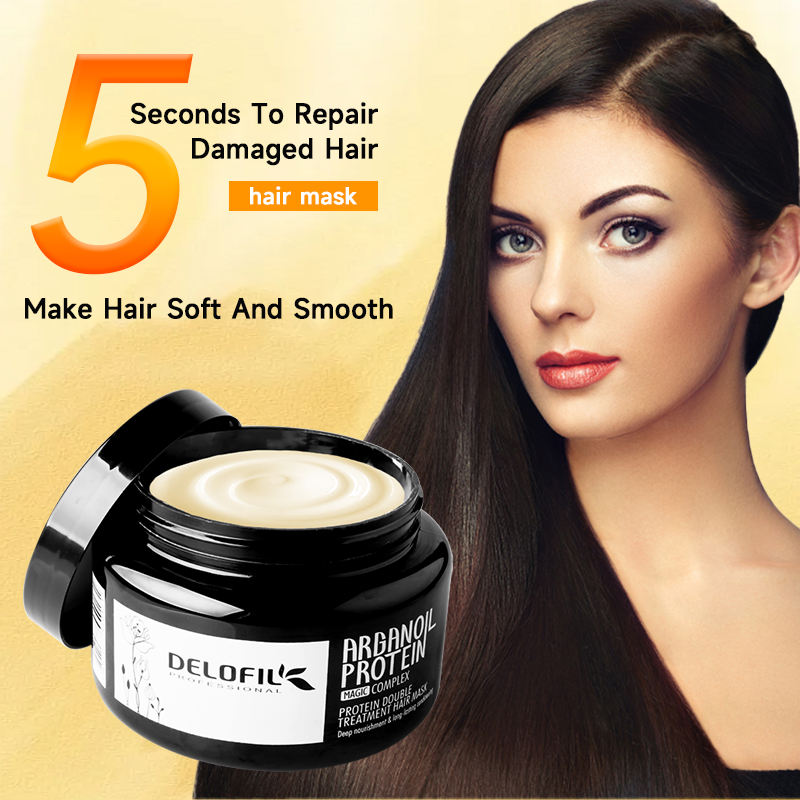
- Lusstaly Deep Repair Hair Mask
What Biotin Actually Does in Hair Care (and What It Doesn’t)
Biotin (Vitamin B7) is essential for hair growth. Severe biotin deficiency causes hair loss, and supplementation can reverse this. However, true biotin deficiency is rare in healthy adults with a normal diet.
Biotin deficiency causes: hair thinning, hair loss, brittle nails, skin rashes, and neurological symptoms. Causes of deficiency: genetic disorders, pregnancy, prolonged antibiotic use, and excessive raw egg consumption (avidin binds biotin).
For people with normal biotin levels, additional biotin in shampoo does NOT make hair grow faster. The biotin molecule is too large to penetrate the hair shaft or scalp meaningfully. The ‘biotin shampoo’ claim is largely marketing.
Where biotin shampoos CAN help: they typically contain other active ingredients (caffeine, niacin, saw palmetto) that may support scalp health. So the biotin claim is a proxy for a generally healthier formula.
For actual hair growth, oral biotin (2.5-5mg daily) is more effective. Studies show oral biotin can help in deficiency-related hair loss, but not in male/female pattern baldness.
What to Look for in a Hair Growth Shampoo: 7 Evidence-Based Ingredients
Ingredient 1: Caffeine (0.5-2%). Topical caffeine has been shown in studies to stimulate hair follicle activity and counter the effects of testosterone on follicles. Found in many ‘hair growth’ shampoos.
Ingredient 2: Niacin (Vitamin B3) (0.5-2%). Improves blood circulation to the scalp, supporting hair follicle function.
Ingredient 3: Saw Palmetto Extract (1-3%). Some evidence for blocking 5-alpha reductase, similar to finasteride (a hair loss drug) but milder.
Ingredient 4: Ketoconazole (1-2%, often in anti-dandruff shampoos). Anti-fungal, reduces scalp inflammation, may support hair growth in some users.
Ingredient 5: Rosemary oil (1-3%). A study in 2015 found rosemary oil comparable to minoxidil 2% for hair growth over 6 months, with less scalp itching.
Ingredient 6: Pumpkin seed oil (1-3%). Rich in zinc and fatty acids, may support hair health. Some evidence for reducing hair loss in women.
Ingredient 7: Peppermint oil (1-3%). Menthol stimulates blood flow to the scalp. Some animal studies show increased hair growth.

See our sulfate-free shampoo science and anti-frizz conditioner for adjacent context.
Real Solutions for Hair Loss: What Actually Works
For pattern hair loss (androgenetic alopecia): FDA-approved treatments are minoxidil (topical, 2% or 5%, applied twice daily) and finasteride (oral, prescription only). Both have extensive clinical evidence. Minoxidil works for ~40-60% of users; finasteride for ~80-90% of male users.
For hair thinning in women (often hormonal or post-pregnancy): minoxidil 2% (FDA-approved for women), spironolactone (off-label, prescription), and PRP therapy (platelet-rich plasma injections, $1,500-$3,500 per session, 3-6 sessions needed).
For nutritional hair loss (iron, zinc, vitamin D, biotin deficiency): blood test to identify deficiency, then targeted supplementation. Iron deficiency is the most common cause of hair loss in women under 50.
For stress-related hair loss (telogen effluvium): typically resolves on its own within 6-9 months once stress is managed. Biotin, zinc, and a balanced diet support recovery.
For scalp conditions causing hair loss (alopecia areata, seborrheic dermatitis, psoriasis): requires dermatologist diagnosis and treatment. Topical corticosteroids, immunosuppressants, and medicated shampoos are common.
Bottom line: biotin shampoo alone won’t regrow hair. For real hair loss, see a dermatologist and consider evidence-based treatments. Shampoos with biotin are fine for general hair health but don’t replace medical treatment.
See our sulfate-free shampoo and anti-frizz conditioner for context.
Building a Hair Growth Routine: Beyond Shampoo
Step 1: Diet. Hair is 65% protein. Aim for 50-80g protein daily. Include iron-rich foods (red meat, spinach, lentils), zinc (oysters, nuts, seeds), biotin (eggs, almonds, sweet potatoes), and vitamin D (fatty fish, fortified foods, sun exposure).
Step 2: Supplements. If diet is insufficient, consider: biotin 2,500-5,000mcg daily, zinc 15-30mg daily, iron (only if deficient, get blood test first), vitamin D 1,000-4,000 IU daily, omega-3 fatty acids 1-2g daily. Always consult doctor before starting supplements.
Step 3: Scalp care. Massage scalp 2-3 minutes daily to stimulate blood flow. Use a scalp scrub 1x per week to remove buildup. Consider a derma roller (0.5mm) weekly to stimulate follicles (evidence is mixed but low risk).
Step 4: Reduce damage. Minimize heat styling. Use silk/satin pillowcase. Avoid tight hairstyles. Don’t brush wet hair aggressively. Use a wide-tooth comb on wet hair.
Step 5: Medical consultation. If hair loss exceeds 100-150 strands per day, see a dermatologist. Common treatable conditions: iron deficiency, thyroid issues, hormonal imbalances, autoimmune conditions.
Realistic expectations: hair grows 0.5 inch per month on average. Visible improvement takes 3-6 months. A complete routine may take 12 months to show full results.
See our sulfate-free shampoo and anti-frizz conditioner for context.
Pro Tips for Healthy Hair
Tip 1: Wash less frequently. Daily washing strips natural oils. 2-3 times per week is enough for most hair types. Dry shampoo can extend time between washes.
Tip 2: Use cool water for the final rinse. Hot water opens the cuticle; cool water seals it. Sealed cuticle = more shine, less frizz, better color retention.
Tip 3: Air dry when possible. Heat is the #1 cause of hair damage. If you must blow dry, use the lowest heat setting and a diffuser.
Tip 4: Trim every 8-12 weeks. Prevents split ends from traveling up the hair shaft. Even 0.5 inch trim makes a visible difference.
Tip 5: Protect from sun. UV damages hair protein. Use UV-protective products or wear a hat in strong sun.
See our sulfate-free shampoo and anti-frizz conditioner for more.
Frequently Asked Questions
Does biotin shampoo work for hair growth?
Biotin supports keratin production and may strengthen hair. It works if you’re deficient — about 1 in 100 people are. For most people, topical biotin provides marginal benefit.
About the Author
Ecolchi Editorial Team — 21 years of hair care manufacturing expertise. ISO 22716 / GMP / FDA / CE certified factory in Guangzhou, China. 1.2M+ bottles/month capacity. 9 in-house brands: Karseell, Ecolchi, Pallamina, Lusstaly, Romacy, Navensi, Chinchy, Delofil, Hischer. Exporting to 130+ countries.
Reviewed by: Chinchy R&D Team (6 graduate engineers, 20+ new products per year)
Sources & References:
Request Free Biotin Shampoo Consultation
No MOQ commitment. Sample lead time 3–5 days. Response within 24 hours.