
How to Dilute Shampoo: 3 Methods That Save Money (2026)
- How to dilute shampoo: mix 1:1 or 1:2 with water in a separate container for each use.
- Use distilled or filtered water. Avoid adding water directly to the bottle.”,”Diluted shampoo is gentler and lasts longer per bottle.
- Best for sulfate-free and concentrated formulas.
- For brand owners: consider offering concentrated formulas that customers can dilute at home.
Diluting shampoo is a common practice among hair care professionals and savvy consumers. Done right, it saves money and provides a gentler cleanse. This guide covers 3 methods and when each is appropriate.
As a manufacturer, we understand the formulation science behind dilution.
Table of Contents
- Why Dilute Shampoo: 4 Reasons
- Method 1: In-Hand Dilution (Recommended)
- Method 2: Pre-Dilution in a Bottle
- Method 3: Foaming Pump Bottle
- Frequently Asked Questions
Why Dilute Shampoo: 4 Reasons
1. Save money. Diluted shampoo lasts longer per bottle. A 1:1 dilution doubles the number of washes.
2. Gentler cleansing. Reduced surfactant concentration means less stripping of natural oil.

Method 1: In-Hand Dilution (Recommended)
How to do it: pump or pour the desired amount of shampoo into your palm. Add an equal amount (or 2x for 1:2 dilution) of warm water. Mix with fingers in your palm. Apply to wet hair.
Best for: daily use, all hair types, easy to control.

Method 2: Pre-Dilution in a Bottle
How to do it: mix shampoo and water in a clean squeeze bottle. Use within 1-2 weeks. Shake before each use.
Best for: travel, gym bag, convenience. Not recommended for long-term storage (loses preservative effectiveness).

Method 3: Foaming Pump Bottle
How to do it: pour shampoo into a foaming pump bottle, dilute with water (typically 1:3 to 1:5 for foaming). Pump to dispense.
Best for: even application, fine hair (less product needed), kids.
Why it works: the foaming pump creates rich lather with much less shampoo. Very economical.

Related Guides from Ecolchi
- Lusstaly Private Label Prevents Hair Moisture Professional H
- Karseell Prival Label OEM Manufacture Best Organic Shampoo
- Romacy Wholesale Sulfate Free Argan Oil Shampoo Customized
- Ecolchi OEM Custom Private Label Sulfate-free Shampoo Condit
- Navensi Hair Care Organic Smoothing Keratin Hair Shampoo
Shampoo Dilution: Best Practices
Best practice 1: dilute in a separate container, not the original bottle. Adding water to the original bottle introduces bacteria and reduces preservative effectiveness.
Best practice 2: use distilled or filtered water. Tap water contains minerals that can affect dilution and introduce buildup.
Best practice 3: dilute 1:1 or 1:2. Stronger dilutions (1:3+) reduce cleaning power significantly.
Best practice 4: use diluted shampoo within 1-2 weeks. After that, preservative effectiveness may decrease.
Best practice 5: store in a clean container with a lid. Avoid contamination from fingers or bathroom surfaces.

See our sulfate-free shampoo and shampoo manufacturer guide for shampoo context.
Shampoo Dilution: When to Use It
When to dilute: concentrated formulas (some brands sell concentrates to reduce packaging), when you want a milder cleanse, to save money, for travel (smaller bottles last longer).
When NOT to dilute: medicated shampoos (the concentration is medically necessary), clarifying shampoos (you want full strength for buildup removal), if your hair is very oily and needs strong cleansing.
For brand owners: consider offering concentrated formulas that customers dilute at home. Reduces packaging, lowers shipping costs, and gives customers a sense of customization.
Diluted Shampoo: Pros and Cons
Pros: gentler cleansing, saves money, longer-lasting bottle, customizable cleansing strength, less harsh on color.
Cons: slightly less effective cleansing, requires separate container, must use within 1-2 weeks (preservative issue), not as convenient as ready-to-use.
Best for: sulfate-free shampoos (which are more expensive to begin with), travel (smaller bottles last longer), fine hair that needs gentle cleansing.
Not for: clarifying shampoos (you want full strength), medicated shampoos (concentration matters), very oily hair that needs strong cleansing.

Shampoo Concentrates: A Brand Opportunity
Concentrated shampoos are 2-3x more concentrated than standard formulas. Customers add water at home to dilute. Reduces packaging, shipping weight, and carbon footprint.
For brand owners: selling concentrated shampoo positions your brand as eco-friendly and innovative. Higher per-bottle revenue (you charge for the concentration).
Customer education is key: customers need clear instructions on how to dilute. Include a measuring cup or ratio guide. Some brands sell empty bottles for the dilution step.
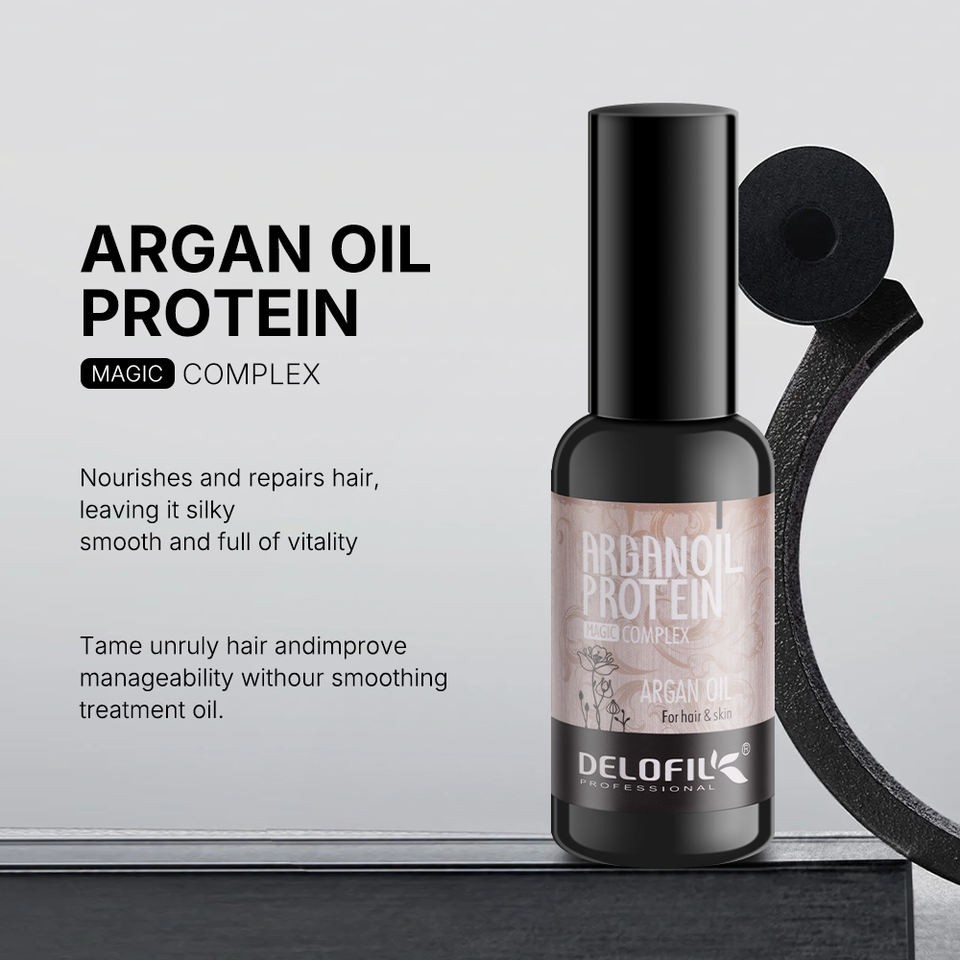
Shampoo Concentrate: A Growing Trend
Concentrate shampoo sales are growing 25% annually. Driven by environmental concerns and consumer interest in customization.
For brand owners: offering concentrates positions your brand as innovative and eco-friendly. Higher per-bottle revenue (you charge for the concentration).
Customer education: clear instructions on dilution ratio. Some brands include a measuring cup or dilution bottle. Others offer pre-diluted travel sizes.
Dilution Mistakes to Avoid
Mistake 1: diluting in the original bottle. Adds bacteria, reduces preservative effectiveness.
Mistake 2: using tap water. Minerals in tap water can affect dilution and introduce buildup.
Mistake 3: diluting too much. Strong dilutions (1:3+) reduce cleansing power significantly.
Mistake 4: storing diluted shampoo too long. Use within 1-2 weeks.
Mistake 5: not shaking before use. Diluted shampoo can separate over time. Shake to remix.
Shampoo Dilution: Best for Travel and Convenience
Concentrated shampoo is ideal for travel. Smaller bottles last longer, and you can dilute at the destination.
For brand owners: offering travel sizes of concentrated shampoo positions your brand as travel-friendly and eco-conscious.
Tips: bring a small empty bottle for the diluted shampoo. Use distilled or bottled water at the destination to avoid hard water effects. Shake before each use.

Shampoo Dilution: A Quick Recap
Diluting shampoo saves money, customizes cleansing strength, and is gentler on hair. Use distilled or filtered water, dilute in a separate container, and use within 1-2 weeks.
For brand owners, concentrated shampoo is a growing segment. Eco-conscious consumers appreciate the reduced packaging. Premium positioning and innovation opportunity.

For brand owners, concentrated shampoo is a growing segment driven by environmental concerns and consumer interest in customization. Offering concentrates positions your brand as innovative and eco-friendly, with higher per-bottle revenue and reduced packaging. Include clear dilution instructions, a measuring cup, and a small empty bottle for the dilution step. Customer education is key: explain the benefits of dilution and the simple process.
For more on this topic, see our in-depth guide on Wholesale Shampoo: How to Source from a Manufacturer in Bulk.
For more on this topic, see our in-depth guide on GMP, ISO 22716, FDA, CE: How Chinchy Group Maintains World-C.
Frequently Asked Questions
Is it safe to dilute shampoo?
Yes, when done correctly. Use distilled or filtered water, mix in a clean container, and use within 1-2 weeks. Diluted shampoo can lose preservative effectiveness over time.
How much should I dilute shampoo?
Common ratios: 1:1 (50/50) for extra moisturizing or 1:2 (shampoo/water) for a milder cleanse. Start with 1:1 and adjust.
Does diluting shampoo reduce effectiveness?
Slightly, but for most hair types the difference is minor. The dilution reduces surfactant concentration by 25-50%, which is fine for non-oily hair.
Can I dilute shampoo in the bottle?
Not recommended. Adding water to the bottle can introduce bacteria and reduce preservative effectiveness. Dilute in a separate container for each use.
What kind of water should I use?
Distilled or filtered water is best. Tap water contains minerals that can affect dilution and introduce buildup. Filtered water (through a pitcher filter) works for most.
About the Author
Ecolchi Editorial Team — 21 years of hair care manufacturing expertise. ISO 22716 / GMP / FDA / CE certified factory in Guangzhou, China. 1.2M+ bottles/month capacity. 9 in-house brands: Karseell, Ecolchi, Pallamina, Lusstaly, Romacy, Navensi, Chinchy, Delofil, Hischer. Exporting to 130+ countries.
Reviewed by: Chinchy R&D Team (6 graduate engineers, 20+ new products per year)
Sources & References:
Request Free How To Dilute Shampoo Consultation
No MOQ commitment. Sample lead time 3–5 days. Response within 24 hours.