Sulfate-Free vs Regular Shampoo: Which Should You Buy? (2026)
- Sulfate-free vs regular shampoo differs in surfactant strength, lather, and gentleness.
- Sulfate-free: gentler, less lather, better for dry/color-treated/sensitive scalps.
- Regular: stronger cleansing, more lather, better for oily hair and clarifying.
- For brand owners: both have market demand. Sulfate-free is growing 8-12% annually.
Sulfate-free shampoo has been a major trend in hair care for over a decade. Proponents claim it is gentler, less stripping, and better for color-treated hair. Critics say it does not clean as well. As a manufacturer of both types, we can offer a balanced view.
This guide compares sulfate-free vs regular shampoo on formulation, effectiveness, and best use cases.
Table of Contents
- What Are Sulfates and Why Are They Used?
- Benefits of Sulfate-Free Shampoo
- Benefits of Regular (Sulfate) Shampoo
- Who Should Use Which
- Transitioning to Sulfate-Free
- Frequently Asked Questions
What Are Sulfates and Why Are They Used?
Sulfates are a class of anionic surfactants (cleaning agents) used in shampoos since the 1930s. The most common are Sodium Lauryl Sulfate (SLS), Sodium Laureth Sulfate (SLES), and Ammonium Lauryl Sulfate (ALS).
Sulfates are effective cleansers: they remove sebum, dirt, and styling product buildup. They are also inexpensive and produce rich lather that consumers associate with clean.
Benefits of Sulfate-Free Shampoo
Benefit 1: Less stripping. Sulfate-free surfactants are gentler, leaving more natural oil on the hair and scalp.
Benefit 2: Better for color-treated hair. Sulfates strip color 2-4x faster than sulfate-free shampoos. Color-treated hair benefits from sulfate-free.
Benefit 3: Less scalp irritation. People with sensitive scalps, eczema, or psoriasis often react to sulfates.
Benefits of Regular (Sulfate) Shampoo
Benefit 1: Strong cleansing. Sulfates remove all sebum, dirt, and styling product buildup. Best for oily hair or heavy styling use.
Benefit 2: Rich lather. The lather is satisfying for many users and makes the shampoo feel like it is working.
Benefit 3: Lower cost. Sulfates are inexpensive surfactants, making sulfate shampoos 20-50% cheaper than sulfate-free.
Who Should Use Which
Use sulfate-free if: you have dry hair, color-treated hair, sensitive scalp, eczema, psoriasis, or curly/coily hair that needs moisture retention.
Use regular (sulfate) if: you have oily hair, use heavy styling products, swim in chlorinated pools, or need occasional clarifying.

Transitioning to Sulfate-Free
Week 1-2: hair may feel waxy or different. This is normal as the scalp adjusts to less stripping.
Week 2-3: most people stabilize. Hair feels less oily between washes.
Week 3-4: many people find they can wash less frequently. Hair is healthier and more manageable.

Related Guides from Ecolchi
- Lusstaly Private Label Prevents Hair Moisture Professional H
- Navensi Hair Care Organic Smoothing Keratin Hair Shampoo
- Karseell Prival Label OEM Manufacture Best Organic Shampoo
- Ecolchi OEM Custom Private Label Sulfate-free Shampoo Condit
- Romacy Wholesale Sulfate Free Argan Oil Shampoo
Sulfate-Free Innovation: New Surfactants in 2026
Innovation 1: Amino acid surfactants. Glycinate, alaninate, and sarcosinate surfactants are derived from amino acids. Very mild, good foam, sustainable. Used in premium sulfate-free shampoos.
Innovation 2: Sugar-based surfactants. Decyl glucoside, lauryl glucoside, and coco-glucoside are derived from sugar and coconut. Very mild, eco-friendly, good for sensitive scalps.
Innovation 3: APG (alkyl polyglucosides). A specific class of sugar surfactants with excellent mildness. Used in baby shampoos and sensitive skin products.
Innovation 4: Ester-based surfactants. Sodium cocoyl isethionate (SCI) and sodium lauroyl methyl isethionate are ester surfactants that are very mild and produce rich, creamy lather.
Innovation 5: Hybrid sulfate-sulfate-free. Some products contain a small amount of mild sulfate (5-10%) plus sulfate-free surfactants. Provides better cleansing while remaining gentle.
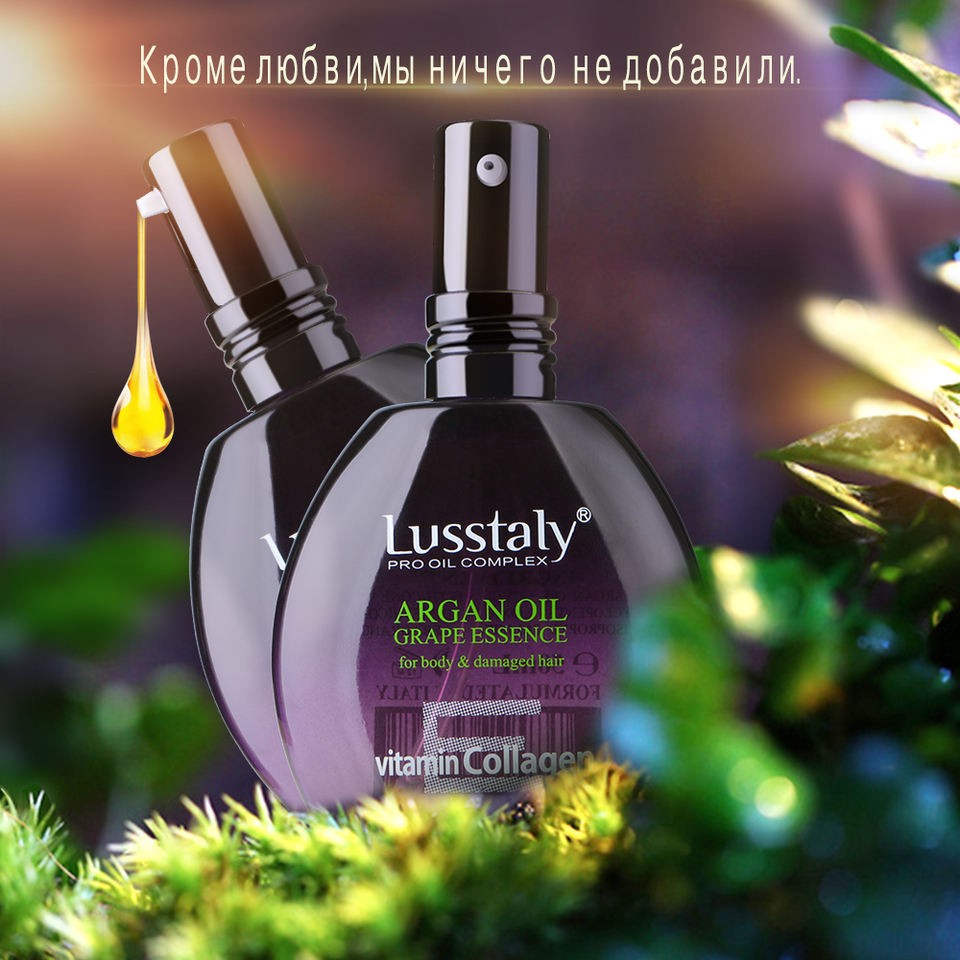
See our sulfate-free shampoo guide and complete hair care manufacturing for formulation context.
Sulfate-Free Shampoo: 5 Best Practices
Practice 1: Use enough product. Sulfate-free shampoos need 1.5-2x more product than sulfate shampoos to feel like they are working.
Practice 2: Focus on the scalp. Most oil and buildup is at the scalp. The ends get cleaned by the runoff.
Practice 3: Double cleanse if needed. For heavy buildup, shampoo twice. The first wash removes surface oil; the second cleans the scalp.
Practice 4: Be patient. Adjusting to sulfate-free takes 2-4 weeks. Hair may feel waxy or different at first.
Practice 5: Use a clarifying shampoo monthly. Sulfate-free formulas can leave buildup over time.
See our sulfate-free shampoo guide and shampoo manufacturer guide for sulfate-free context.
Sulfate-Free Shampoo: 5 Best Ingredients
Ingredient 1: Sodium cocoyl isethionate. Derived from coconut, very mild, good lather. Used in premium sulfate-free shampoos.
Ingredient 2: Cocamidopropyl betaine. Coconut-derived, amphoteric surfactant. Often combined with SCI for balanced lather.
Ingredient 3: Decyl glucoside. Sugar-based, very mild, eco-friendly.
Ingredient 4: Sodium lauroyl sarcosinate. Amino acid-based, very mild, dermatologist-recommended.
Ingredient 5: Disodium laureth sulfosuccinate. Larger-molecule surfactant that does not penetrate skin as easily.
Sulfate-Free: 5 Common Questions
Q: Will sulfate-free shampoo clean oily hair? A: Yes, but may need double-cleansing. The gentler surfactants remove oil but may need a second wash.
Q: How long does it take to adjust to sulfate-free? A: 2-4 weeks. Hair may feel waxy or different at first.
Q: Can I use sulfate-free on color-treated hair? A: Yes, sulfate-free is the best choice for color-treated hair.
Q: Is sulfate-free better for curly hair? A: Yes, sulfate-free helps maintain moisture which curls need.
Q: Does sulfate-free work for dandruff? A: For mild dandruff, yes. For severe, use a medicated shampoo occasionally.
Cost Comparison: Sulfate vs Sulfate-Free
Sulfate-free shampoos are typically 20-50% more expensive than sulfate shampoos. The price difference reflects the higher cost of gentler surfactants and the smaller production scale. Premium sulfate-free lines can be 2-3x the price of mass-market sulfate shampoos.
For brand owners: the cost difference can be passed to consumers as a value-added feature, or absorbed as a competitive advantage. Many brands use sulfate-free as a key marketing point to justify premium pricing.
Sulfate-free shampoo is a great choice for most hair types, especially dry, color-treated, or sensitive scalps. The 2-4 week adjustment period is normal, and most people find their hair is healthier and more manageable after switching. The slightly higher cost is offset by gentler cleansing and better long-term hair health.
Frequently Asked Questions
Is sulfate-free shampoo better for hair?
Not necessarily better for everyone, but gentler. People with dry, color-treated, or sensitive scalps benefit most. People with oily hair may need stronger cleansers.
Does sulfate-free shampoo lather less?
Yes, sulfate-free formulas produce less lather than sulfate shampoos. Lather is not an indicator of cleaning power.
Is sulfate-free shampoo more expensive?
Typically 20-50% more expensive than sulfate shampoos. The gentler surfactants cost more to produce.
Can sulfate-free shampoo remove buildup?
Less effectively than sulfate shampoos. Use a clarifying shampoo once a month to remove buildup from sulfate-free use.
How do I know if my shampoo is sulfate-free?
Check the ingredients list. Avoid: sodium lauryl sulfate, sodium laureth sulfate, ammonium lauryl sulfate. Look for: sodium cocoyl isethionate, decyl glucoside, cocamidopropyl betaine.
About the Author
Ecolchi Editorial Team — 21 years of hair care manufacturing expertise. ISO 22716 / GMP / FDA / CE certified factory in Guangzhou, China. 1.2M+ bottles/month capacity. 9 in-house brands: Karseell, Ecolchi, Pallamina, Lusstaly, Romacy, Navensi, Chinchy, Delofil, Hischer. Exporting to 130+ countries.
Reviewed by: Chinchy R&D Team (6 graduate engineers, 20+ new products per year)
Sources & References:
Request Free Sulfate Free Vs Regular Shampoo Consultation
No MOQ commitment. Sample lead time 3–5 days. Response within 24 hours.