
Hair Mask for Frizzy Hair: Humidity-Proof Formulas (2026)
- Hair mask for frizzy hair smooths the cuticle and creates a humidity-resistant barrier.
- Best ingredients: dimethicone, cyclomethicone, cetrimonium chloride, argan oil, shea butter.”,”Use 1-2x per week for best results.
- Apply to damp hair, leave on 5-20 minutes, rinse with cool water to seal the cuticle.
- For best results, follow with an anti-frizz leave-in conditioner and use a microfiber towel.
Frizzy hair is one of the most common hair concerns. It is caused by raised cuticle scales that allow humidity to penetrate the hair shaft, causing it to swell unevenly. The right hair mask can smooth the cuticle and create a humidity-resistant barrier.
After formulating frizz-control products for 9+ brands, we know which ingredients work. This guide covers the science of frizz and how to combat it.
Table of Contents
- The Science of Frizz
- 7 Best Ingredients for Frizz Control
- Application Methods for Maximum Frizz Control
- Humidity-Proofing: 5 Extra Steps
- Recommended Masks for Different Frizz Types
- Frequently Asked Questions
The Science of Frizz
Frizz happens when the hair cuticle is raised or damaged, allowing moisture in and out irregularly. When humidity rises, the hair shaft absorbs water unevenly, causing the cortex to swell and the cuticle to lift further. Result: frizzy, untamed hair.
Causes of frizz: (1) humidity, (2) heat damage, (3) chemical damage, (4) friction from brushing or rough towels, (5) lack of moisture in hair, (6) high-porosity hair structure.

7 Best Ingredients for Frizz Control
1. Dimethicone: silicone that coats the hair shaft, smoothing the cuticle and creating a humidity barrier. The most effective anti-frizz ingredient.
2. Cyclomethicone: volatile silicone that evaporates after application, leaving a smooth, non-greasy feel. Often in leave-in conditioners.
3. Cetrimonium chloride: cationic surfactant that binds to negatively-charged hair, smoothing the cuticle. Lighter than dimethicone.
4. Argan oil: rich in oleic and linoleic acids. Smooths the cuticle and adds shine. Lightweight enough for fine hair.

Application Methods for Maximum Frizz Control
Method 1: After shampooing. Apply mask to damp hair, leave on 5-20 minutes, rinse with cool water. The cool water seals the cuticle for extra frizz protection.
Method 2: With a microfiber towel. After rinsing, gently squeeze (do not rub) with a microfiber towel. Terrycloth causes friction and frizz.
Method 3: With cool air dry. If you blow dry, use the lowest heat setting and a nozzle concentrator. Cool air seals the cuticle.

Humidity-Proofing: 5 Extra Steps
Step 1: Use an anti-humectant product. Look for PVP/VA copolymer or polyquaternium-10. These create a film that resists moisture absorption.
Step 2: Apply a finishing serum. A silicone-based serum (1-2 drops) on dry hair creates a barrier against humidity.
Step 3: Sleep on silk or satin. Cotton pillowcases absorb moisture and create friction. Silk/satin reduces both.
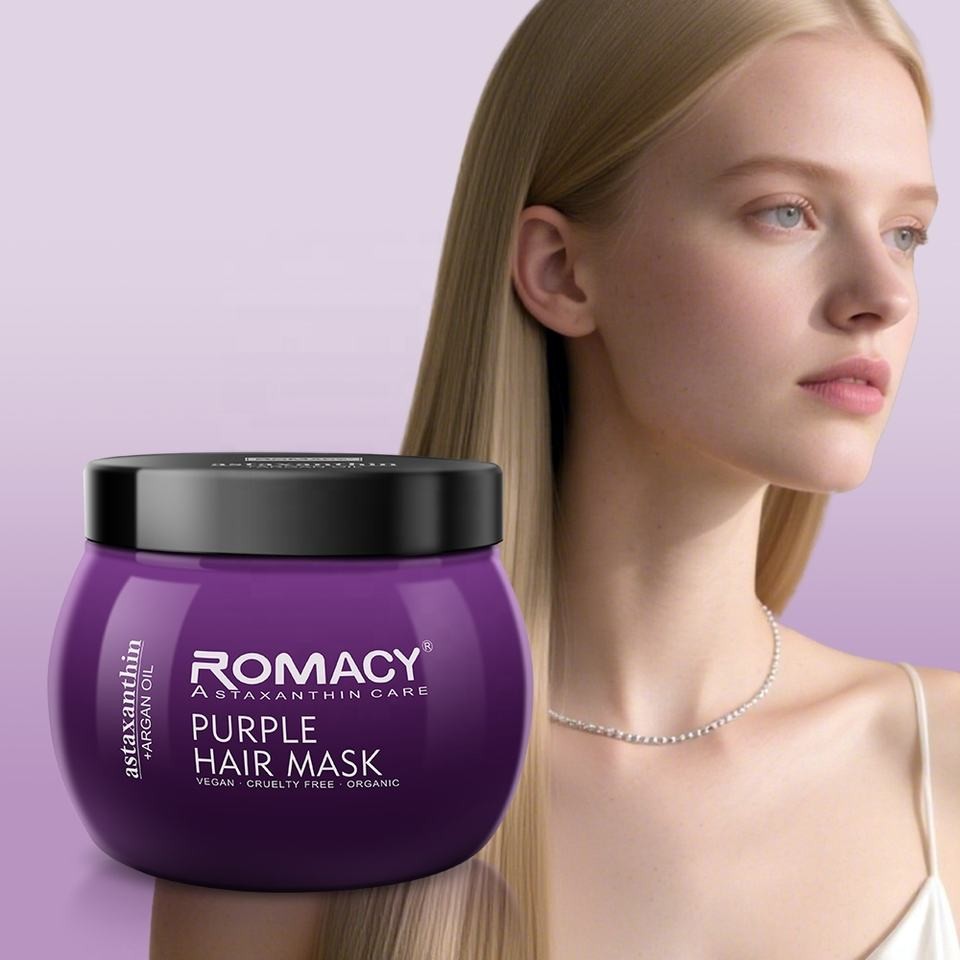
Recommended Masks for Different Frizz Types
For humidity-frizz: silicone-rich mask with dimethicone. Creates the strongest humidity barrier. Use weekly.
For damage-frizz: protein + moisture mask with keratin. Repairs cuticle damage that causes frizz. Use 1-2x per week.
For natural frizz (curly, coarse): rich mask with shea butter and natural oils. Smooths without weighing down. Use 1-2x per week.
For fine hair with frizz: lightweight mask with cationic polymers. Smooths without weighing down. Use every 2 weeks.

Related Guides from Ecolchi
- Romacy Repair Dry Hair and Improve Frizz Collagen Cream Hair
- Ecolchi OEM/ODM Natural Keratin Protein Hair Mask Treatment
- Karseell Maca Repair Collagen Hair Mask
- Lusstaly Collagen Professional Hair Mask Treatment Protein
- Pallamina OEM ODM Deep Repair Argan Oil Collagen Hair Mask
Frizz Control Ingredient Trends 2026
Trend 1: Hyaluronic acid for hair. A crossover from skin care, hyaluronic acid attracts moisture to the hair surface, smoothing the cuticle and reducing frizz. Used in leave-ins and styling products.
Trend 2: Polyglutamic acid. A more powerful humectant than hyaluronic acid. Holds 4x more moisture. Used in premium anti-frizz products.
Trend 3: Bio-fermented actives. Ingredients produced through fermentation (like bio-fermented squalane, bio-fermented hyaluronic acid) are sustainable and effective. Squalane mimics natural sebum.
Trend 4: Lightweight oils. Traditional anti-frizz silicones are being complemented (or replaced) by lightweight natural oils. Marula, baobab, and watermelon seed oil provide similar frizz control with cleaner ingredient lists.
Trend 5: Heat-activated anti-frizz. Some products contain ingredients that activate with heat (like proteins that bond more strongly when heated). Applied before blow-drying for extra frizz protection.

See our DIY vs professional hair mask and anti-frizz conditioner for more on frizz management.
Humidity-Proof Your Hair: 5 Tips for Tropical Climates
Tip 1: Use anti-humectant products. PVP/VA copolymer and polyquaternium-10 create a moisture-resistant film.
Tip 2: Apply a finishing serum. A silicone-based serum (1-2 drops) on dry hair creates a humidity barrier.
Tip 3: Use cool air when blow drying. Heat opens the cuticle; cool air seals it.
Tip 4: Sleep on silk or satin. Cotton pillowcases absorb moisture and create friction.
Tip 5: Avoid touching your hair. Each touch transfers moisture and oils, increasing frizz.
See our anti-frizz conditioner and hair oil for dry hair for complementary frizz care.
Frizz Control: 5 Most Effective Ingredients
Ingredient 1: Dimethicone. A silicone that coats the hair shaft, smoothing the cuticle. The most effective anti-frizz ingredient.
Ingredient 2: Cyclomethicone. A volatile silicone that evaporates after application, leaving a smooth finish.
Ingredient 3: Cetrimonium chloride. A cationic surfactant that binds to hair, smoothing the cuticle.
Ingredient 4: Argan oil. Rich in oleic and linoleic acids. Smooths the cuticle naturally.
Ingredient 5: Polyquaternium-10. A cationic polymer that forms a smoothing film on the hair.

Frizz Q&A: 5 Most Common Questions
Q: Why is my hair frizzy even after conditioning? A: Your conditioner may not be strong enough. Try a deep conditioner or mask with anti-frizz ingredients.
Q: Is frizz caused by humidity? A: Yes, but also by damage, lack of moisture, and friction. A comprehensive approach addresses all factors.
Q: Can I permanently fix frizzy hair? A: No, but you can manage it with the right products and routine.
Q: Should I use oil or silicone for frizz? A: Both work. Oils are natural; silicones are more concentrated. Choose based on preference.
Q: How long does it take to see results? A: Most people see improvement within 1-2 weeks of consistent use.
Frequently Asked Questions
What causes frizzy hair?
Frizz is caused by raised cuticle scales that allow moisture in and out irregularly. Common causes: humidity, damage from heat or chemicals, lack of moisture, and friction.
How often should I use a mask for frizzy hair?
1-2x per week. Frizzy hair needs regular deep conditioning to maintain cuticle smoothness.
Are anti-frizz masks the same as smoothing masks?
Yes, they are similar. Both aim to flatten the cuticle and reduce frizz. Anti-frizz masks often include humidity-resistant silicones.
What ingredients reduce frizz?
Dimethicone, cyclomethicone, cetrimonium chloride, argan oil, and cationic polymers all help smooth the cuticle and reduce frizz.
Can I air dry after a mask for frizzy hair?
Yes, but air drying is more prone to frizz than blow drying with a diffuser. If you blow dry, use a low heat setting and a nozzle concentrator.
About the Author
Ecolchi Editorial Team — 21 years of hair care manufacturing expertise. ISO 22716 / GMP / FDA / CE certified factory in Guangzhou, China. 1.2M+ bottles/month capacity. 9 in-house brands: Karseell, Ecolchi, Pallamina, Lusstaly, Romacy, Navensi, Chinchy, Delofil, Hischer. Exporting to 130+ countries.
Reviewed by: Chinchy R&D Team (6 graduate engineers, 20+ new products per year)
Sources & References:
Request Free Hair Mask For Frizzy Hair Consultation
No MOQ commitment. Sample lead time 3–5 days. Response within 24 hours.