Hair Mask vs Deep Conditioner: The Real Difference (2026)
- Hair mask vs deep conditioner comes down to active ingredient concentration and contact time.
- Masks have 5-15% active ingredients and work in 5-20 minutes; deep conditioners have 3-7% actives in 3-5 minutes.
- Use a mask 1-2x per week for damaged hair; use a deep conditioner weekly for maintenance.
- Both are rinse-off products but masks are more intensive and longer-lasting in effect.
The terms hair mask and deep conditioner are often used interchangeably, but they are actually different products with different formulations and use cases. Understanding the difference helps you choose the right product for your hair needs.
As a hair care manufacturer, we see a lot of confusion in the market. From a formulation perspective, there are real differences.
Table of Contents
- Hair Mask vs Deep Conditioner: The Core Difference
- Ingredient Comparison: What Is in Each
- When to Use a Mask vs Deep Conditioner
- How to Apply Each: Step-by-Step
- Product Recommendations by Hair Type
- Frequently Asked Questions
Hair Mask vs Deep Conditioner: The Core Difference
Hair mask: a concentrated treatment product with 5-15% active conditioning ingredients. Designed for 5-20 minute contact time, 1-2 times per week. Focuses on deep repair and intensive conditioning.
Deep conditioner: a moderate treatment product with 3-7% active conditioning ingredients. Designed for 3-5 minute contact time, 1-2 times per week. Focuses on maintenance conditioning and mild repair.
Ingredient Comparison: What Is in Each
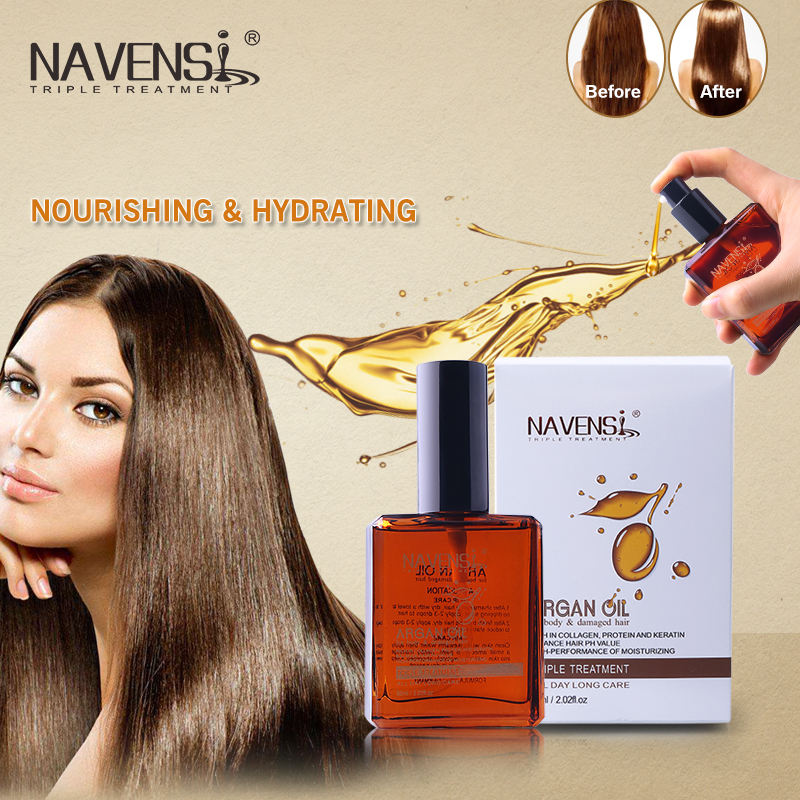
Hair mask ingredients (typical concentrations): hydrolyzed keratin 1-5%, argan oil 3-10%, shea butter 3-10%, ceramides 0.5-2%, panthenol 2-5%, silicones (dimethicone) 2-5%, cationic polymers 0.5-2%.
Deep conditioner ingredients: hydrolyzed keratin 0.5-2%, lighter oils 1-3%, lighter butters 1-3%, silicones 1-3%, cationic polymers 0.3-1%, panthenol 1-2%.
The concentration differences are real and significant. A hair mask is essentially a deep conditioner with 2-3x the active ingredients.
When to Use a Mask vs Deep Conditioner
Use a hair mask when: hair is significantly damaged (color-treated, heat-damaged, chemically processed), hair feels very dry or brittle, you want to address specific concerns (breakage, frizz, lack of elasticity), or you have recently colored or chemically treated hair.
Use a deep conditioner when: hair is mildly dry or frizzy, you want to maintain healthy hair, you are not addressing specific damage, or you want weekly conditioning without committing to longer contact time.
Many people use both: deep conditioner every week, hair mask every 2-4 weeks or when hair needs extra repair. The two products complement each other.
How to Apply Each: Step-by-Step
Hair mask application: shampoo first, towel dry to damp (not dripping), apply generously from mid-length to ends, comb through, leave on 5-20 minutes (use a shower cap for deeper penetration), rinse with cool water. Use 1-2 times per week.
Deep conditioner application: shampoo first, towel dry to damp, apply from mid-length to ends, comb through, leave on 3-5 minutes (no need for shower cap), rinse with cool water. Use weekly.
Product Recommendations by Hair Type
Fine or oily hair: lightweight deep conditioner weekly, hair mask only when needed (every 2-4 weeks). Avoid heavy masks with butters. Choose protein-light formulas.
Medium or normal hair: deep conditioner weekly, hair mask every 2 weeks. Balanced formulas with proteins and moisturizers work well.
Thick or curly hair: rich deep conditioner weekly, hair mask 1-2 times per week. Choose moisture-rich formulas with butters and oils.
Color-treated or damaged hair: deep conditioner weekly, hair mask 1-2 times per week with focus on bond repair and protein restoration.
Related Guides from Ecolchi
- Karseell Maca Repair Collagen Hair Mask
- Romacy Repair Dry Hair and Improve Frizz Collagen Cream Hair
- Lusstaly Collagen Professional Hair Mask Treatment Protein
- Ecolchi OEM/ODM Natural Keratin Protein Hair Mask Treatment
- Delofil Collagen Professional Gold Keratin Hair Treatment
Mask vs Conditioner: When Formulators Choose One Over the Other
From a formulator’s perspective, the choice between mask and deep conditioner comes down to cost, expected performance, and target customer. Masks are more expensive to make (5-15% active ingredients vs 3-7%) but command higher retail prices.
Mask formulation: typically contains 5-15% active conditioning ingredients. Common actives: hydrolyzed keratin 1-5%, shea butter 3-10%, dimethicone 2-5%, cationic polymers 0.5-2%. The formula is thicker and richer than a daily conditioner.
Deep conditioner formulation: 3-7% active ingredients, similar to mask but at lower concentrations. Often a ‘mask-lite’ formula that delivers some deep conditioning without the intensity of a full mask.
Daily conditioner formulation: 1-3% active ingredients. Lighter formula, designed for every wash. Often contains silicones at 0.5-1% and cationic surfactants at 0.5-2%.
For brand owners launching a new line: starting with a daily conditioner + mask combo is the most flexible. Skip the deep conditioner initially to avoid SKU complexity. Add it later if market demand justifies.
See our OEM/ODM service overview and how to build a hair care brand for product line strategy.
Real-World Mask vs Conditioner: 5 Customer Scenarios
Scenario 1: A customer with bleached, color-treated hair benefits more from a mask weekly + daily conditioner than deep conditioner alone.
Scenario 2: A customer with oily, fine hair should use a lightweight mask only every 2-4 weeks. Daily conditioner is sufficient.
Scenario 3: A customer with curly hair benefits from a mask 1-2x per week + daily conditioner, with curl-specific application techniques.
Scenario 4: A customer with healthy hair can use just daily conditioner. Mask optional every 2-3 weeks for maintenance.
Scenario 5: A customer with damage from bleach, heat, and chemicals needs a mask 2x per week + daily conditioner + leave-in. Multiple layers of conditioning.
See our hair mask for colored hair and how often hair mask for related guidance.
Mask vs Conditioner: The Manufacturer’s Perspective
From a manufacturer’s view, the choice depends on the brand’s positioning, target customer, and price point. A premium brand benefits from offering both a daily conditioner and a mask. A value brand may focus on a daily conditioner with an optional mask.
Cost-of-goods differences: a daily conditioner costs $0.50-1.50 per 250ml to make. A mask costs $1.50-3.00 per 250ml. The retail price difference (mask 2-3x the conditioner) reflects this.
Marketing angle: masks are great for ‘upgrade’ positioning. A $25 mask makes the $15 conditioner feel like a bargain by comparison.
Frequently Asked Questions
Can I use a hair mask as a deep conditioner?
Yes. A hair mask applied for 3-5 minutes works as a deep conditioner. The shorter contact time means less intensive treatment but still more conditioning than a daily conditioner.
How often should I use a hair mask?
1-2 times per week for damaged or very dry hair. Every 2-4 weeks for normal hair. Less frequently for fine or oily hair.
Should I use a hair mask before or after conditioner?
Use a hair mask first (after shampooing), then optionally use a light daily conditioner after rinsing the mask.
Is a hair mask better than a deep conditioner?
Not necessarily better, just different. A hair mask is more intensive and used less frequently. A deep conditioner is gentler and used more often. The best choice depends on your hair needs.
Can I leave a hair mask on overnight?
Most masks are not designed for overnight use and can cause scalp irritation or product buildup. Use a designated overnight treatment if needed.
About the Author
Ecolchi Editorial Team — 21 years of hair care manufacturing expertise. ISO 22716 / GMP / FDA / CE certified factory in Guangzhou, China. 1.2M+ bottles/month capacity. 9 in-house brands: Karseell, Ecolchi, Pallamina, Lusstaly, Romacy, Navensi, Chinchy, Delofil, Hischer. Exporting to 130+ countries.
Reviewed by: Chinchy R&D Team (6 graduate engineers, 20+ new products per year)
Sources & References:
Request Free Hair Mask Vs Deep Conditioner Consultation
No MOQ commitment. Sample lead time 3–5 days. Response within 24 hours.